

Pneumatic Conveying Design and Equipment Selection for Aluminum Dross
Aluminum dross, a byproduct generated during the aluminum smelting and casting processes, poses significant challenges in handling and disposal. Efficient and reliable material transport is crucial for optimizing the overall production workflow and ensuring environmental compliance. Pneumatic conveying systems have emerged as a preferred solution for aluminum dross handling due to their ability to transport abrasive and dusty materials with minimal wear and operational complexity. This article provides a comprehensive overview of the design calculation principles and equipment selection process for pneumatic conveying systems specifically tailored for aluminum dross applications.
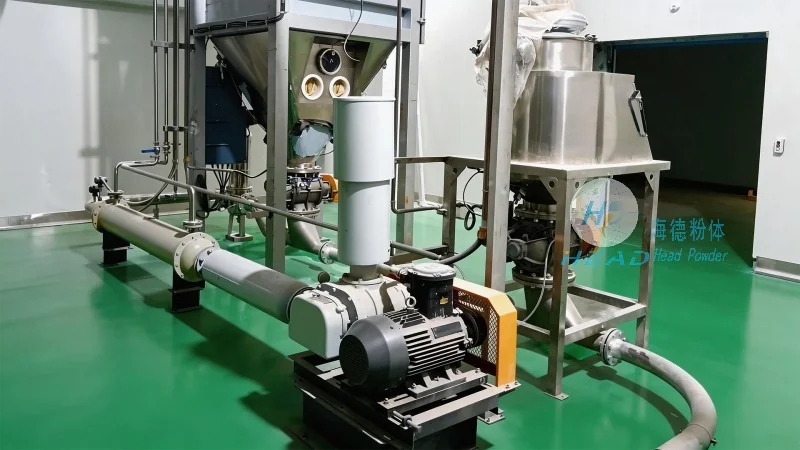
Design Calculation for Pneumatic Conveying Systems
The design of a pneumatic conveying system for aluminum dross begins with a thorough analysis of the material characteristics and operational requirements. Key parameters such as the bulk density, particle size distribution, and moisture content of the dross directly influence the system's performance and energy consumption. The first step in the design process is to determine the required conveying capacity, which is typically expressed in terms of mass flow rate (kg/h) or volumetric flow rate (m³/h). This is often based on the production rate of the aluminum smelting facility and the desired throughput of the dross handling system.
Once the capacity is established, the next critical step is to calculate the pressure drop across the conveying line. The pressure drop is a function of several factors, including the length and diameter of the pipeline, the material's flow resistance, and the air velocity. For aluminum dross, which is often abrasive and has a high density, the pressure drop can be substantial. Engineers use empirical formulas and computational fluid dynamics (CFD) simulations to accurately predict the pressure drop, ensuring that the system operates within the capabilities of the selected fan or blower. The selection of the appropriate air velocity is paramount; too low a velocity may result in material settling and blockages, while too high a velocity increases energy consumption and equipment wear.
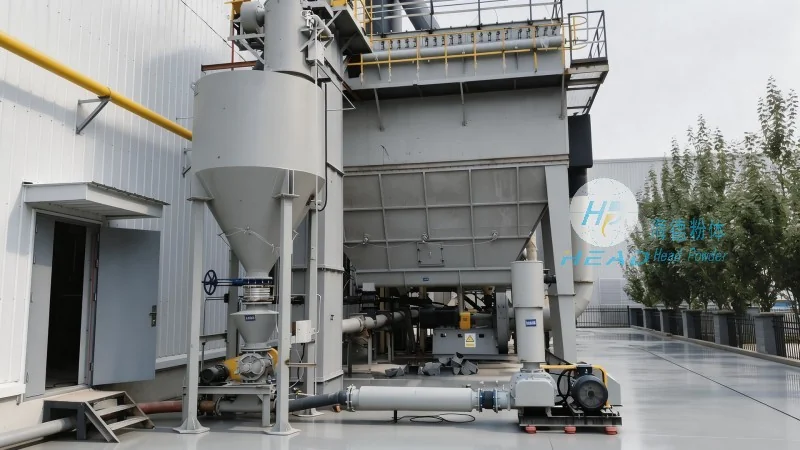
Equipment Selection for Aluminum Dross Pneumatic Conveying
Equipment selection is a critical phase that directly impacts the system's efficiency, longevity, and operational costs. The core components of a pneumatic conveying system include the material feed system, conveying pipeline, air supply system, and material separation and collection equipment. For aluminum dross, which is often fine and abrasive, the choice of each component must be carefully considered.
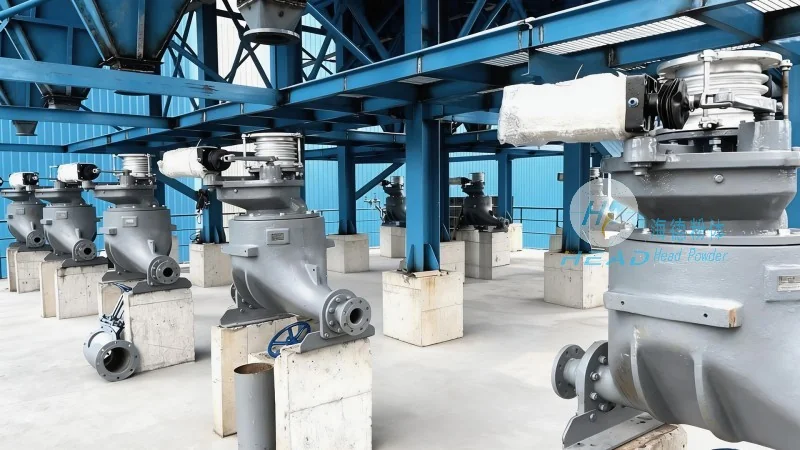
The material feed system is responsible for introducing the dross into the conveying line without causing blockages or excessive pressure surges. For bulk materials like aluminum dross, rotary valves or screw feeders are commonly used. These devices provide a controlled and continuous feed, preventing the material from flowing freely and causing uneven air distribution. The selection of a rotary valve depends on factors such as the material's flowability, particle size, and the required feed rate. For highly abrasive materials like aluminum dross, heavy-duty models with hardened components are recommended to ensure long-term reliability.
The conveying pipeline is another critical component, and its design directly affects the system's pressure drop and material transport efficiency. The most common materials for conveying pipelines are stainless steel, carbon steel, and polymeric materials. Stainless steel is preferred for its corrosion resistance and durability, especially when handling acidic or corrosive byproducts. The pipeline diameter is determined based on the required air velocity and the material's flow characteristics. A larger diameter reduces the air velocity, minimizing wear and energy consumption, but may increase the initial cost. Engineers typically use a combination of empirical data and CFD simulations to select the optimal pipeline diameter and layout, ensuring smooth material flow and preventing blockages.
The air supply system, typically consisting of a fan or blower, is responsible for generating the necessary pressure and airflow to transport the dross. The choice of fan type depends on the system's operating pressure and flow rate requirements. Centrifugal fans are commonly used for high-pressure, low-flow applications, while positive displacement blowers are suitable for low-pressure, high-flow applications. For aluminum dross systems, where the material is abrasive and may contain moisture, the fan is often equipped with protective features such as wear-resistant liners and moisture separators. The fan's capacity is calculated based on the pressure drop across the system and the required airflow rate, ensuring that the system operates efficiently without excessive energy consumption.
The material separation and collection equipment is essential for recovering the conveyed dross and separating it from the air stream. For aluminum dross, which is often fine and can be easily entrained in the air, a combination of cyclone separators and bag filters is typically used. Cyclone separators use centrifugal force to separate the larger particles from the air, while bag filters capture the fine dust particles. The selection of the separation equipment depends on the dross's particle size distribution and the required recovery efficiency. High-efficiency cyclones and bag filters are recommended to minimize dust emissions and ensure compliance with environmental regulations.
Role of Shandong HeadPowder Engineering Co., Ltd. in Aluminum Dross Pneumatic Conveying Solutions
Shandong HeadPowder Engineering Co., Ltd., a leading provider of engineering solutions for powder and bulk material handling, specializes in the design, manufacturing, and installation of pneumatic conveying systems tailored for aluminum dross applications. With years of experience in the aluminum industry, the company has developed a deep understanding of the unique challenges associated with handling aluminum dross, including its abrasive nature, high density, and potential for moisture content. HeadPowder's team of experienced engineers employs advanced design methodologies and state-of-the-art equipment to ensure that each system is optimized for the specific operational requirements of the client.
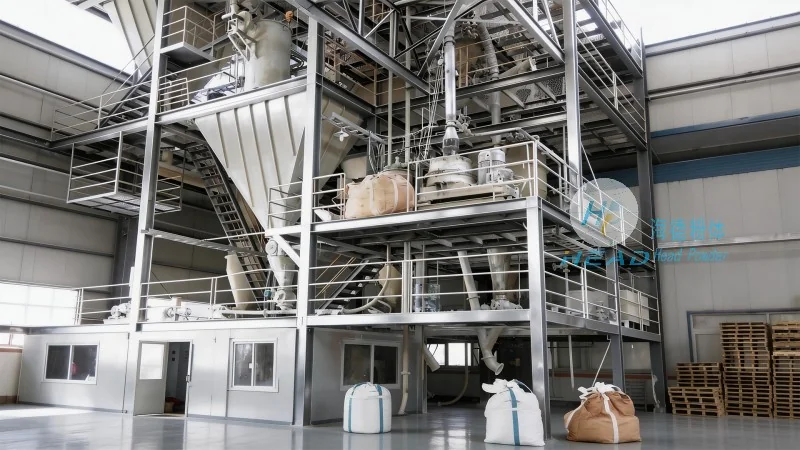
The company's approach to aluminum dross pneumatic conveying design involves a comprehensive analysis of the client's production processes, material characteristics, and environmental regulations. This includes on-site assessments to gather data on the dross's physical properties, such as bulk density, particle size, and moisture content. Based on this data, the engineers develop a customized design that meets the client's capacity and efficiency goals while ensuring long-term reliability and low maintenance costs. HeadPowder's equipment selection process is guided by the principle of durability and efficiency, using high-quality components from reputable manufacturers to minimize downtime and operational expenses.
HeadPowder's commitment to quality and customer satisfaction is evident in its comprehensive after-sales service. The company provides ongoing support, including system maintenance, performance monitoring, and technical assistance, to ensure that the pneumatic conveying system operates at peak efficiency throughout its service life. With its headquarters in Shandong, China, HeadPowder leverages its local expertise and resources to deliver tailored solutions that meet the specific needs of aluminum smelting facilities across the region and beyond.