

Introduction to Lithium Oxide Pneumatic Conveying Systems: Structure and Working Principles
HeadPowder, a leading enterprise in the field of pneumatic conveying technology, specializes in the design, manufacturing, and installation of advanced systems for transporting lithium oxide and other fine powders. This article provides a comprehensive overview of the lithium oxide pneumatic conveying system, focusing on its structural components and operational principles to help professionals in the industry understand its functionality and benefits.
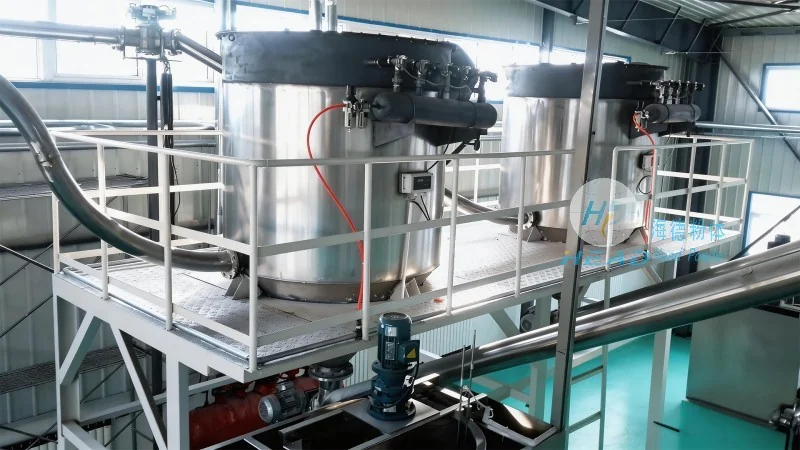
Company Profile: Shandong HeadPowder Engineering Co., Ltd.
HeadPowder, operating under the full name Shandong HeadPowder Engineering Co., Ltd., is headquartered in Shandong, China. With years of experience in powder handling solutions, the company has established itself as a trusted provider of customized pneumatic conveying systems tailored to meet the specific needs of various industries. Our commitment to quality, innovation, and customer satisfaction drives our mission to deliver efficient and reliable equipment for material transport.
Key Components of the Lithium Oxide Pneumatic Conveying System
The lithium oxide pneumatic conveying system comprises several critical components that work in harmony to ensure the safe and efficient transport of lithium oxide powder. These components include the hopper, feeder, air compressor, conveying line, and receiver. Each part plays a vital role in the overall operation of the system.
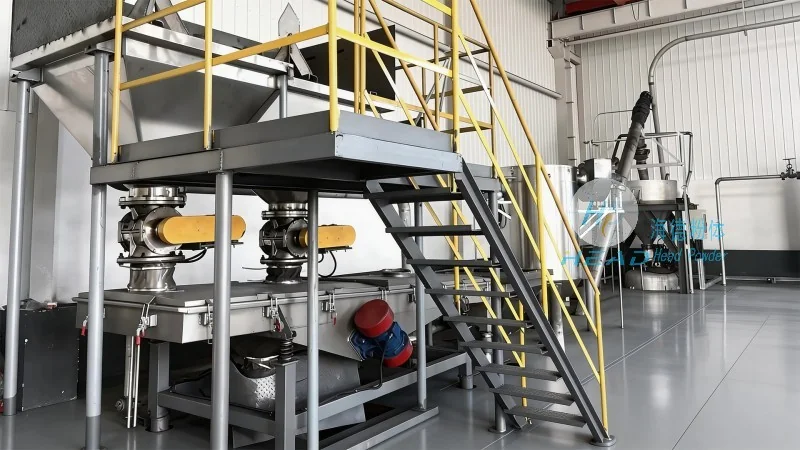
The hopper serves as the storage container for the lithium oxide material, providing a controlled environment to prevent material degradation and contamination. It is designed with appropriate dimensions and material properties to accommodate the bulk quantity of the powder while ensuring easy access for feeding. The feeder, typically a rotary valve or a screw feeder, regulates the flow of lithium oxide from the hopper into the conveying line, maintaining a consistent and controlled feed rate to avoid overloading or underfeeding.
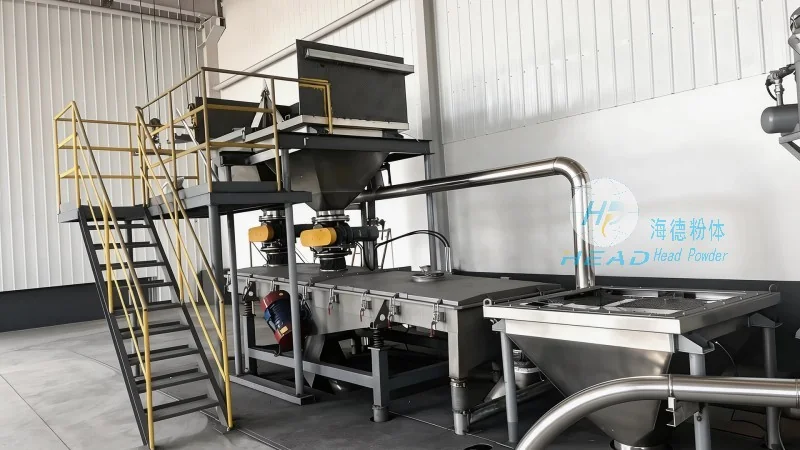
The air compressor is the heart of the pneumatic conveying system, responsible for generating the necessary air pressure to move the powder particles through the conveying line. It can be either a positive displacement or a centrifugal type, depending on the system requirements and the characteristics of the material being transported. The conveying line, usually made of stainless steel or other corrosion-resistant materials, is designed to withstand the pressure and temperature conditions during operation. It may include bends, elbows, and other fittings to direct the flow of the powder-air mixture to the receiver.
The receiver is the final component of the system, where the transported lithium oxide powder is deposited. It is equipped with a dust collection system or a filter to capture any fine particles that may escape during the conveying process, ensuring environmental compliance and product purity. The receiver is designed to handle the bulk volume of the material and can be integrated with downstream processing equipment for seamless material handling.
Working Principles of the Lithium Oxide Pneumatic Conveying System
The operation of the lithium oxide pneumatic conveying system is based on the principle of pneumatic transport, where the powder is suspended in a stream of air and carried through the conveying line. The process begins with the material being fed from the hopper into the conveying line by the feeder. Simultaneously, the air compressor supplies compressed air into the conveying line, creating a pressure differential that propels the powder particles forward.
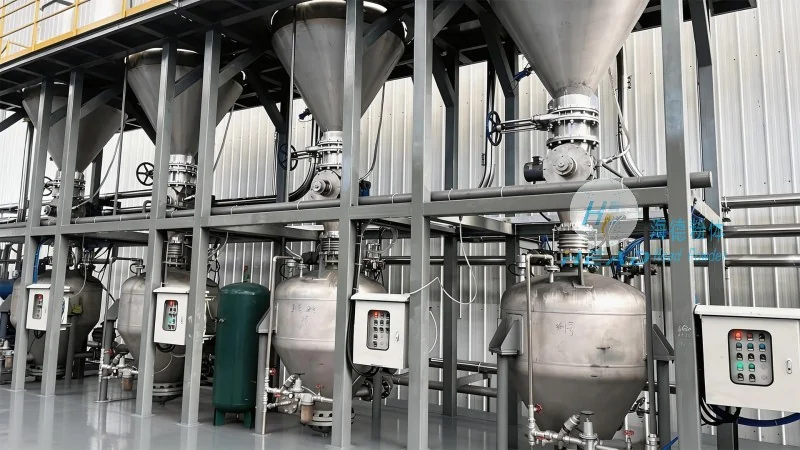
As the air flows through the conveying line, it entrains the lithium oxide particles, forming a mixture known as a "pneumatic slurry." The velocity of the air is maintained at a level sufficient to keep the particles suspended, preventing them from settling or clogging the system. The conveying line's design, including its diameter, length, and the number of bends, is optimized to minimize pressure loss and ensure efficient transport of the material.
The receiver is positioned at the end of the conveying line, where the pressure is reduced, causing the air to expand and the powder to settle out of the mixture. The separated powder is collected in the receiver, while the air is either vented to the atmosphere or recycled back to the air compressor, depending on the system configuration. This separation process is crucial for maintaining the purity of the lithium oxide and preventing contamination from the conveying air.
Advantages of the Lithium Oxide Pneumatic Conveying System
Compared to traditional mechanical conveying methods, the lithium oxide pneumatic conveying system offers several advantages that make it an ideal choice for handling fine powders. Firstly, it eliminates the need for moving parts in contact with the material, reducing the risk of contamination and wear. Secondly, the system provides a closed-loop operation, which helps in controlling dust emissions and maintaining a clean working environment. Thirdly, the flexibility of the system allows for easy integration with existing production lines and the ability to transport materials over long distances without the need for intermediate storage.
Additionally, the pneumatic conveying system offers high transport efficiency, with the ability to handle large volumes of lithium oxide at a consistent rate. The controlled feed rate and the ability to adjust the air pressure and flow rate make it suitable for various applications, including pharmaceutical, chemical, and food processing industries. The system's reliability and low maintenance requirements further enhance its appeal as a cost-effective solution for material transport.
Applications and Industry Use Cases
The lithium oxide pneumatic conveying system is widely used in industries that require the transport of fine powders, particularly in the production of lithium-based products. In the battery manufacturing industry, for example, lithium oxide is a critical raw material used in the production of lithium-ion batteries. The system ensures the safe and efficient transport of this material from storage to the production line, maintaining its purity and preventing any loss or contamination.
In the chemical industry, lithium oxide is used in the production of various compounds, and the pneumatic conveying system provides a reliable method for moving the material between different processing stages. The system's ability to handle abrasive and corrosive materials makes it suitable for applications where other conveying methods may fail. Furthermore, the system's flexibility allows for the transport of lithium oxide in different forms, such as powder or granules, depending on the specific requirements of the application.
Conclusion and Future Developments
HeadPowder's lithium oxide pneumatic conveying system represents a cutting-edge solution for the efficient and safe transport of fine powders. By understanding the structural components and working principles of the system, industry professionals can make informed decisions about implementing such technology in their operations. As the demand for lithium-based products continues to grow, the importance of reliable and efficient material handling systems becomes increasingly critical. HeadPowder remains committed to innovation and excellence, providing advanced solutions that meet the evolving needs of the industry.