

Operation Process and Working Principle of a Pneumatic Conveyor for Iron Oxide Material
For industrial applications involving the handling of iron oxide materials, efficient and reliable material transport is crucial. The pneumatic conveyor system, specifically designed for iron oxide, offers a solution that combines precision with durability. This article delves into the operation process and working principle of such a system, highlighting its key components and the steps involved in material transport.
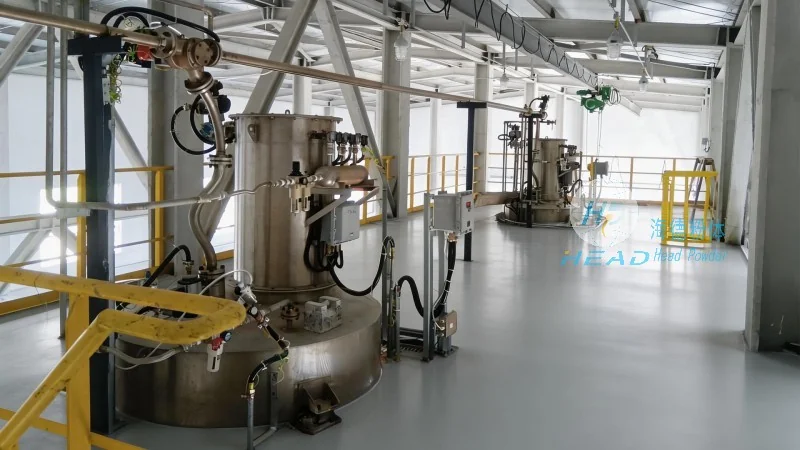
Introduction to Pneumatic Conveying Systems for Iron Oxide
Pneumatic conveying systems are widely used in various industries to transport bulk materials like iron oxide over short to medium distances. These systems utilize air or gas as the conveying medium, eliminating the need for mechanical components such as belts or buckets. The design of a pneumatic conveyor for iron oxide is tailored to handle the specific properties of the material, including its density, particle size, and flow characteristics. By leveraging air pressure, the system can effectively move iron oxide from one location to another, ensuring minimal material degradation and loss.
Key Components of the Pneumatic Conveyor System
The pneumatic conveyor for iron oxide consists of several critical components that work in tandem to facilitate material transport. These components include the hopper, feeder, air compressor, conveying pipe, and discharge device. Each component plays a vital role in the overall operation of the system.
The hopper is the initial storage unit where iron oxide is loaded. It is designed to hold a sufficient quantity of material to ensure continuous operation. The feeder, typically a rotary valve or a screw feeder, regulates the flow of iron oxide from the hopper into the conveying pipe. This controlled feeding prevents blockages and maintains a steady flow rate.
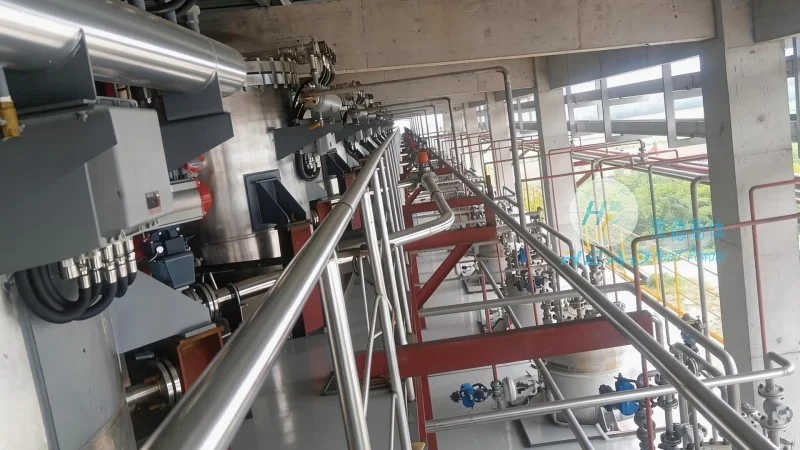
The air compressor generates the necessary air pressure to move the material through the conveying pipe. The pressure level is adjusted based on the distance and volume of iron oxide to be transported. The conveying pipe, usually made of stainless steel or other corrosion-resistant materials, is designed to withstand the abrasive nature of iron oxide particles. The discharge device, such as a rotary valve or a cyclone separator, collects the iron oxide at the destination and separates it from the air stream.
Operation Process of the Pneumatic Conveyor
The operation of the pneumatic conveyor for iron oxide involves a series of steps that ensure efficient material transport. The process begins with the loading of iron oxide into the hopper. Once the hopper is filled, the feeder starts to release the material into the conveying pipe at a controlled rate. Simultaneously, the air compressor generates the required air pressure, which is introduced into the conveying pipe.
As the air flows through the pipe, it creates a low-pressure zone that draws the iron oxide particles into the air stream. The combination of air pressure and the material's own momentum propels the iron oxide through the pipe towards the discharge device. The air and iron oxide mixture travels through the pipe until it reaches the destination, where the discharge device separates the material from the air. The separated iron oxide is then collected for further processing or use.
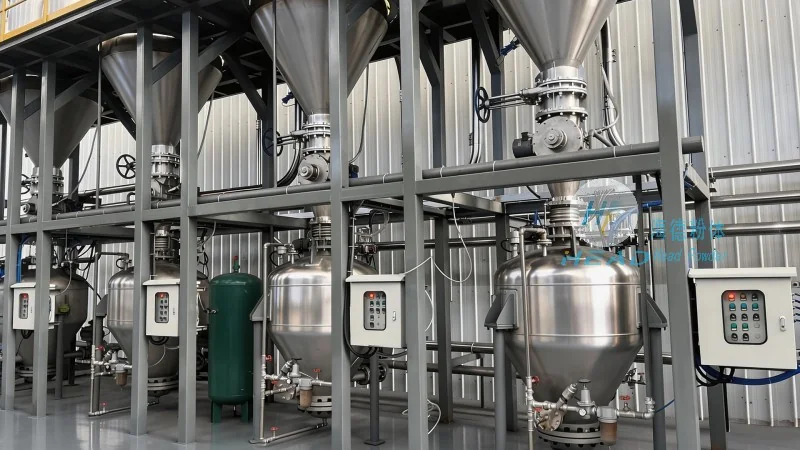
Working Principle of the Pneumatic Conveyor
The working principle of the pneumatic conveyor for iron oxide is based on the principles of fluid dynamics and particle transport. The system operates by creating a pressure differential between the inlet and outlet of the conveying pipe. The air compressor maintains a higher pressure at the inlet, while the outlet is at a lower pressure, typically atmospheric pressure. This pressure difference drives the movement of the iron oxide particles within the air stream.
The efficiency of the system depends on several factors, including the air velocity, particle size distribution, and the length of the conveying pipe. Proper air velocity ensures that the iron oxide particles are fully entrained in the air stream without settling or clogging the pipe. The particle size and density of iron oxide also affect the conveying capacity and pressure requirements. By optimizing these parameters, the system can achieve high throughput and minimal energy consumption.
Advantages of Using a Pneumatic Conveyor for Iron Oxide
Implementing a pneumatic conveyor for iron oxide offers several advantages over traditional mechanical conveying methods. One of the primary benefits is the ability to transport material in a closed system, which reduces dust emissions and improves workplace safety. The system also minimizes material degradation, as the iron oxide particles are not subjected to mechanical stress or abrasion from belts or buckets.
Additionally, pneumatic conveyors are highly flexible and can be easily integrated into existing industrial setups. They can handle varying material loads and can be adjusted to accommodate changes in production requirements. The system also requires less maintenance compared to mechanical conveyors, as there are fewer moving parts that can wear out or require replacement.
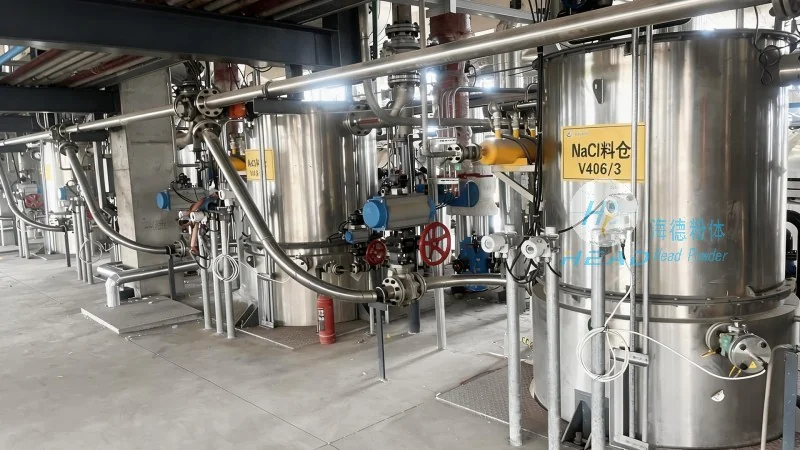
Applications and Industries Using Pneumatic Conveyors for Iron Oxide
Pneumatic conveyors for iron oxide are widely used in various industries that rely on the handling of bulk materials. These include the mining and mineral processing industry, where iron oxide is a common byproduct or raw material. The construction industry also utilizes iron oxide in the production of pigments and coatings, and pneumatic conveyors are used to transport the material to processing plants.
In the chemical industry, iron oxide is used as a catalyst or a filler in various products, and pneumatic conveyors ensure efficient transport from storage to production lines. The pharmaceutical industry, while less common in handling iron oxide, may use similar systems for other bulk materials, highlighting the versatility of pneumatic conveying technology.
Conclusion and Company Information
The pneumatic conveyor for iron oxide is a reliable and efficient solution for material transport in industrial applications. By understanding the operation process and working principle, users can optimize the system for their specific needs, ensuring high performance and minimal downtime. For those seeking professional solutions, Shandong HeadPowder Engineering Co., Ltd., a leading manufacturer in the field, offers high-quality pneumatic conveyor systems tailored to the unique requirements of iron oxide handling. With their expertise and commitment to quality, HeadPowder provides reliable equipment that enhances productivity and safety in material handling operations.