

Operation Process and Working Principle of Sulfur Material Pneumatic Conveying Equipment
HeadPowder, a leading manufacturer based in Shandong, China, specializes in the design and production of advanced pneumatic conveying systems tailored for sulfur material handling. This article provides a detailed overview of the operation process and working principle of sulfur material pneumatic conveying equipment, highlighting key components, operational mechanisms, and practical applications.
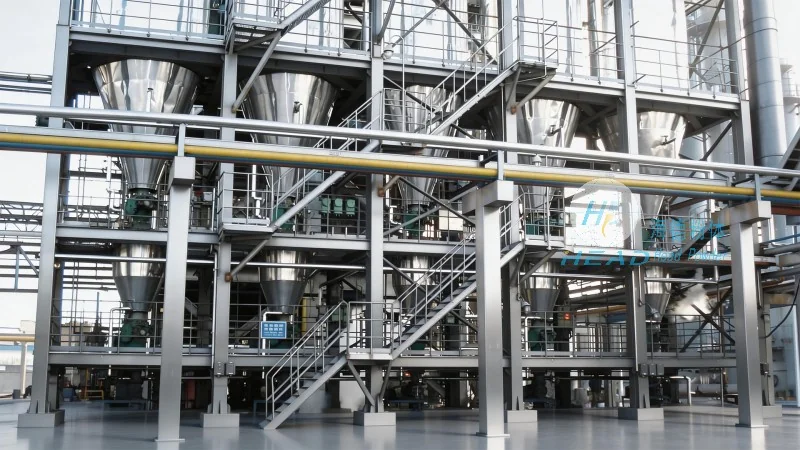
Key Components of Sulfur Pneumatic Conveying Systems
The sulfur material pneumatic conveying system typically consists of several core components that work in concert to ensure efficient material transport. These include the material hopper, which serves as the storage and feeding unit, the air compressor or blower that generates the necessary air pressure, the conveying pipeline that transports the sulfur particles, and the control system that regulates the flow and pressure. Each component plays a critical role in maintaining the system's performance and reliability. The material hopper is designed to hold a sufficient quantity of sulfur, ensuring a continuous feed into the system. The air compressor, often a positive displacement type, provides the high-pressure air required to create the conveying force. The conveying pipeline is usually made of corrosion-resistant materials, such as stainless steel or PVC, to withstand the chemical properties of sulfur and prevent degradation. The control system, equipped with sensors and valves, monitors and adjusts the air pressure and flow rate in real-time, ensuring optimal operation and preventing system failures.
Working Principle of Sulfur Pneumatic Conveying
The operation of sulfur material pneumatic conveying equipment is based on the principle of air suspension, where the sulfur particles are entrained and transported by a high-velocity air stream. The process begins with the sulfur material being fed from the hopper into the conveying pipeline. Simultaneously, the air compressor supplies compressed air into the pipeline, creating a pressure differential that propels the sulfur particles forward. As the air flows through the pipeline, it lifts and carries the sulfur particles, maintaining them in a suspended state until they reach the discharge point. The control system continuously monitors the pressure and flow rates, adjusting the air supply to optimize the conveying efficiency and prevent blockages or excessive pressure drops. The air velocity is carefully controlled to ensure that the sulfur particles remain suspended without causing excessive wear on the pipeline or components. This balance between air velocity and particle size is crucial for maintaining the system's efficiency and longevity.
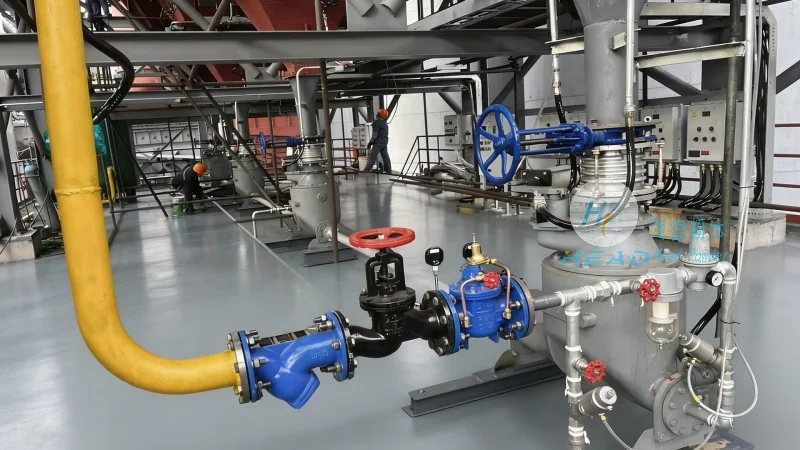
Operation Process of Sulfur Pneumatic Conveying Equipment
The operation process of sulfur material pneumatic conveying equipment involves several sequential steps that ensure smooth and continuous material transport. First, the sulfur material is loaded into the hopper, and the system is initiated by starting the air compressor. The control system then adjusts the air pressure and flow rate to match the material characteristics and conveying distance. As the material is fed into the pipeline, it is immediately entrained by the air stream and begins to move towards the discharge point. During the conveying process, the system continuously monitors the pressure and flow parameters to detect any anomalies, such as blockages or pressure fluctuations. If an issue is detected, the control system automatically adjusts the air supply or stops the material feed to prevent system damage. For example, if a pressure drop is detected, the system may increase the air flow to clear the blockage. Once the sulfur material reaches the discharge point, it is released into the receiving container, and the cycle repeats. The entire operation process is designed to be efficient, reliable, and safe, minimizing downtime and maximizing material throughput. Regular maintenance, such as cleaning the pipeline and checking the air compressor, is essential to ensure the system operates at peak performance.
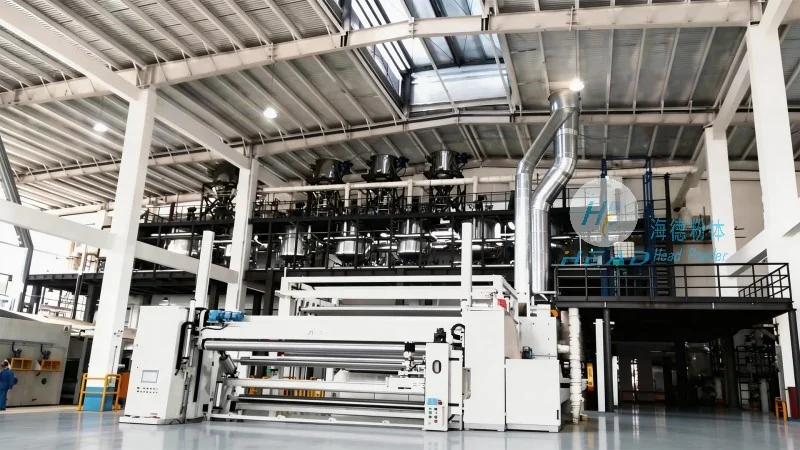
Advantages of Sulfur Pneumatic Conveying Systems
Sulfur material pneumatic conveying systems offer several advantages over traditional mechanical conveying methods. These include reduced material handling costs due to the elimination of mechanical components like belts or buckets, improved safety by minimizing human contact with the material, and enhanced flexibility in terms of conveying distance and layout. Additionally, the system can handle a wide range of sulfur particle sizes and moisture contents, making it suitable for various industrial applications. The use of pneumatic conveying also reduces the risk of material contamination and degradation, which is crucial for sulfur products that require high purity standards. Compared to mechanical systems, pneumatic conveying is less prone to material buildup and can handle more abrasive materials without significant wear. This makes it an ideal choice for sulfur, which can be corrosive and abrasive under certain conditions.
Applications in Industrial Settings
Sulfur material pneumatic conveying equipment is widely used in various industrial sectors, including chemical manufacturing, petrochemical processing, and fertilizer production. In chemical plants, it is used to transport sulfur from storage silos to reactors or processing units, ensuring a continuous supply of raw material. In petrochemical facilities, the system is employed to convey sulfur byproducts from refining processes to storage or disposal sites. In fertilizer production, the equipment is utilized to transport sulfur-based fertilizers from production lines to packaging or storage areas. The versatility and efficiency of sulfur pneumatic conveying systems make them an essential component in modern industrial operations. For instance, in a chemical plant, the system may convey sulfur from a storage tank to a reactor, where it is used in the production of sulfuric acid. The pneumatic conveying system ensures that the sulfur is delivered to the reactor at the required rate and pressure, maintaining the production process. In petrochemical plants, the system may handle sulfur byproducts from the desulfurization process, transporting them to a storage facility for further processing or disposal. The reliability of the pneumatic conveying system is critical in these applications, as any downtime can lead to production delays and increased costs.