

Operation Process and Working Principle of Paddy Grain Material Pneumatic Conveying Machine
Welcome to the official website of Shandong HeadPowder Engineering Co., Ltd., a leading manufacturer specializing in advanced agricultural machinery solutions. Our focus is on providing efficient and reliable equipment for the handling and processing of paddy grain. This article delves into the operation process and working principle of our paddy grain material pneumatic conveying machines, designed to meet the demands of modern agricultural operations.
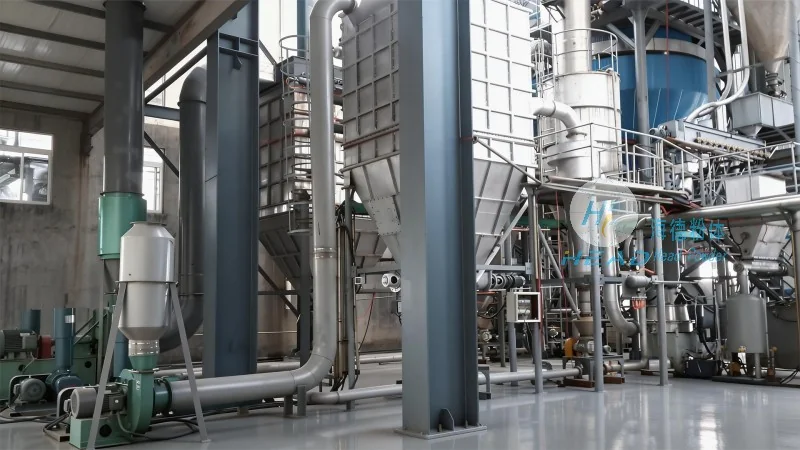
Introduction to Paddy Grain Pneumatic Conveying Machines
Paddy grain pneumatic conveying machines are essential equipment in the agricultural industry, particularly for the efficient transport of paddy grains from storage to processing facilities. These machines utilize air as the conveying medium, enabling the movement of bulk materials through a network of pipes and ducts. The technology offers significant advantages over traditional mechanical conveyors, including reduced labor costs, minimized material damage, and enhanced operational flexibility.
Key Components and Their Functions
The paddy grain pneumatic conveying system consists of several critical components that work in tandem to ensure smooth operation. The main components include the hopper for material storage, the air compressor that generates the necessary air pressure, the conveying pipes that transport the material, and the control system that regulates the flow. Each component plays a vital role in maintaining the efficiency and safety of the entire system.
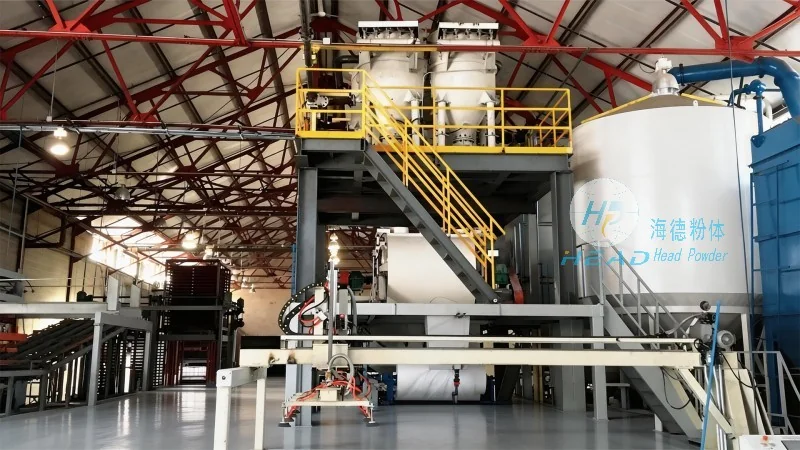
Operation Process of the Pneumatic Conveying System
The operation process of a paddy grain pneumatic conveying machine begins with the loading of paddy grains into the hopper. The material is then fed into the conveying line through a rotary valve or feeder, which controls the flow rate. Simultaneously, the air compressor generates high-pressure air that is introduced into the conveying pipes. The air and grain mixture travels through the pipes, reaching the discharge point where the material is deposited. The system continuously cycles, ensuring a steady flow of paddy grains from the source to the destination.
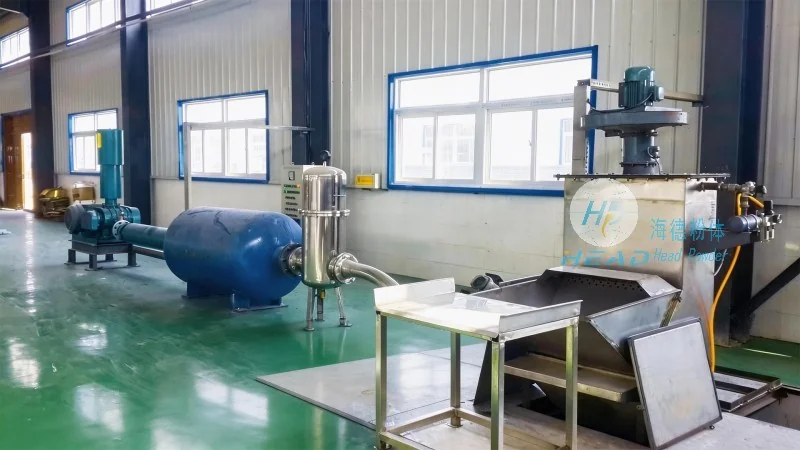
Working Principle Explained
The working principle of the pneumatic conveying system is based on the principle of fluidization and pneumatic transport. When air is introduced into the conveying pipes at a high velocity, it creates a low-pressure zone that draws the paddy grains into the air stream. The mixture of air and grain moves through the system, with the air providing the necessary force to overcome resistance and transport the material. The system is designed to maintain a consistent air pressure and flow rate, ensuring optimal performance and minimal material degradation.
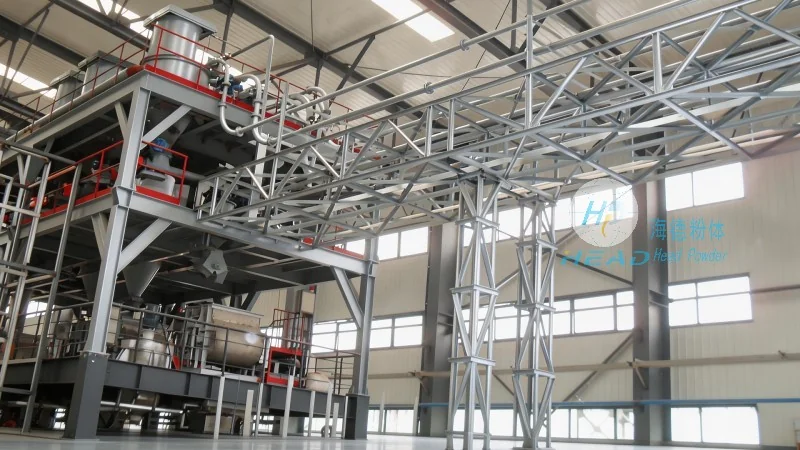
Advantages of Using Pneumatic Conveying for Paddy Grain Handling
Employing pneumatic conveying technology for paddy grain handling offers numerous benefits. Firstly, it reduces the risk of material breakage and contamination, which is crucial for maintaining the quality of paddy grains. Secondly, the system is highly flexible, allowing for changes in the conveying route without major modifications. Thirdly, it minimizes labor requirements and operational costs, making it an economical choice for large-scale agricultural operations. Additionally, the system is compact and can be integrated into existing processing facilities, enhancing overall efficiency.
Company Profile: Shandong HeadPowder Engineering Co., Ltd.
Shandong HeadPowder Engineering Co., Ltd. is a reputable company based in Shandong, China, dedicated to the research, development, and manufacturing of high-quality agricultural machinery. With years of experience in the industry, we have established ourselves as a trusted supplier of pneumatic conveying systems and other agricultural equipment. Our commitment to innovation and customer satisfaction has enabled us to provide solutions tailored to the specific needs of our clients. We pride ourselves on our ability to deliver reliable, efficient, and durable equipment that meets international standards.