

Operation Process and Working Principle of Tailings Material Pneumatic Conveying Machines
Tailings material pneumatic conveying machines are specialized equipment designed for the efficient and safe transportation of tailings, which are byproducts generated in mining and mineral processing operations. These machines play a crucial role in modern mining and processing industries by enabling the movement of tailings from collection points to disposal or treatment facilities. The technology behind these systems combines pneumatic principles with mechanical components to achieve reliable and low-maintenance material handling, making them an essential part of sustainable mining practices. In this article, we will explore the operation process and working principle of such machines, providing a comprehensive understanding of their functionality and benefits.
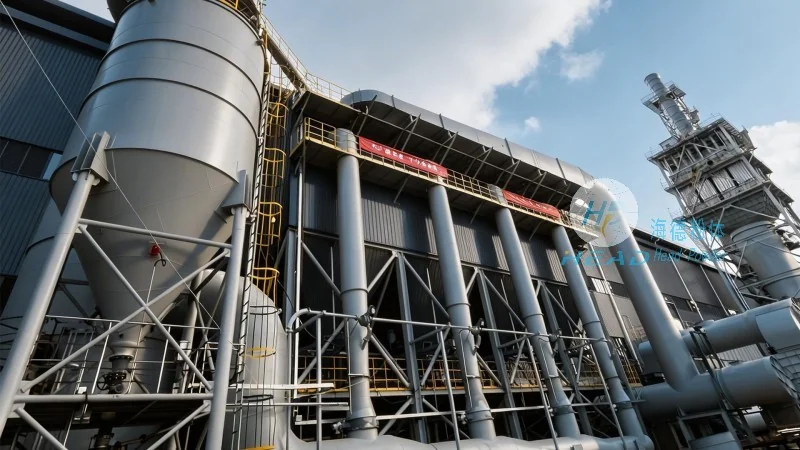
About Shandong HeadPowder Engineering Co., Ltd.
Shandong HeadPowder Engineering Co., Ltd., commonly known as HeadPowder, is a leading manufacturer and supplier of advanced material handling equipment, including tailings material pneumatic conveying systems. With a strong presence in China, particularly in Shandong province, the company has built a reputation for delivering high-quality, durable, and efficient solutions tailored to the specific needs of the mining and mineral processing sectors. HeadPowder's expertise lies in designing and manufacturing equipment that meets stringent industry standards while ensuring optimal performance and longevity. The company's commitment to innovation and customer satisfaction has positioned it as a trusted partner for businesses seeking reliable tailings handling solutions.
Working Principle of Tailings Material Pneumatic Conveying Machines
The core of a tailings material pneumatic conveying machine is the pneumatic conveying system, which utilizes air as the medium to transport solid materials. The working principle can be broadly categorized into two main types: suction (or negative pressure) systems and pressure (or positive pressure) systems. For tailings applications, suction systems are commonly employed due to their ability to draw materials from multiple points and handle a wide range of particle sizes and moisture content. The system typically consists of a hopper, a rotary valve, a vacuum pump, a filter, and a pipeline network. When the system is activated, the vacuum pump creates a negative pressure within the pipeline, which draws tailings from the hopper into the system. The rotary valve acts as a gate to control the flow of material, ensuring a consistent and controlled feed. The filter is crucial for capturing fine particles and preventing them from entering the vacuum pump, thus maintaining the system's efficiency and longevity.
Key Components and Their Functions
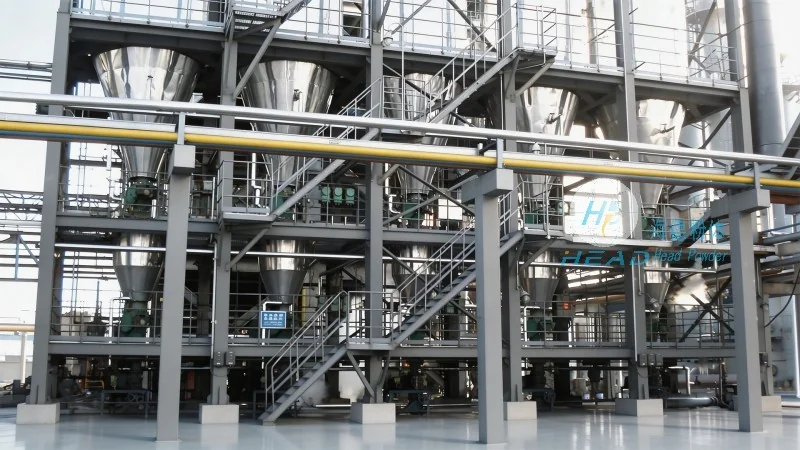
Several key components work in tandem to ensure the smooth operation of a tailings material pneumatic conveying machine. The hopper is the primary container where tailings are stored before being fed into the system. It is designed to accommodate large volumes of material and often includes a level indicator to monitor the material level. The rotary valve, also known as a feeder, is responsible for regulating the flow of tailings from the hopper to the pipeline. It operates by rotating to open and close the feed port, allowing precise control over the material discharge rate. The vacuum pump is the heart of the suction system, generating the necessary negative pressure to draw material through the pipeline. It is typically a rotary vane or Roots-type pump, chosen for its efficiency and ability to handle dusty air. The filter, often a bag filter or cartridge filter, removes fine particles from the air stream, protecting the vacuum pump and ensuring clean exhaust. The pipeline network connects all components and transports the tailings to the discharge point, which may be a storage facility, a treatment plant, or a disposal site. The pipeline is usually made of corrosion-resistant materials such as stainless steel or polyethylene to withstand the harsh conditions of tailings, including moisture and abrasive particles.
Operation Process of Tailings Material Pneumatic Conveying Machines
The operation process of a tailings material pneumatic conveying machine involves several sequential steps to ensure safe and efficient material transport. The process begins with the preparation phase, where tailings are loaded into the hopper. The hopper is typically equipped with a loading chute or conveyor to facilitate the transfer of material from the mining or processing site. Once the hopper is filled, the system is activated by starting the vacuum pump. The vacuum pump creates a negative pressure in the pipeline, which draws tailings from the hopper through the rotary valve and into the pipeline. The material is then transported to the discharge point under the influence of the air flow. The speed of the material transport can be adjusted by controlling the vacuum pressure or the air flow rate, allowing operators to optimize the system for different material characteristics and pipeline lengths. During operation, the system continuously monitors parameters such as pressure, flow rate, and material level to ensure stable performance. If any abnormal conditions are detected, such as a blockage or low material level, the system will automatically shut down or alert the operator to take corrective action. The process concludes when the tailings are fully transported to the discharge point, and the system is then prepared for the next cycle. The entire operation is designed to be automated to minimize human intervention and maximize efficiency.
Advantages and Applications of Tailings Material Pneumatic Conveying Machines
Tailings material pneumatic conveying machines offer several advantages over traditional material handling methods, such as belt conveyors or trucks. One of the primary benefits is the ability to transport materials over long distances without the need for multiple transfer points or infrastructure. The system is also highly flexible, as it can be easily reconfigured to handle different material types or to adjust the transport route. Additionally, pneumatic conveying systems are less prone to material spillage and contamination, as the material is enclosed within the pipeline. This is particularly important for tailings, which may contain hazardous or environmentally sensitive components. The systems are also more energy-efficient compared to other methods, as they use less power to transport materials over long distances. Tailings material pneumatic conveying machines are widely used in various mining and mineral processing applications, including the transport of tailings from ore processing plants to tailings dams or storage facilities. They are also used in the transportation of tailings for reprocessing or treatment, such as in the recovery of valuable minerals from tailings. The versatility and efficiency of these machines make them an indispensable part of modern mining operations.
Maintenance and Safety Considerations
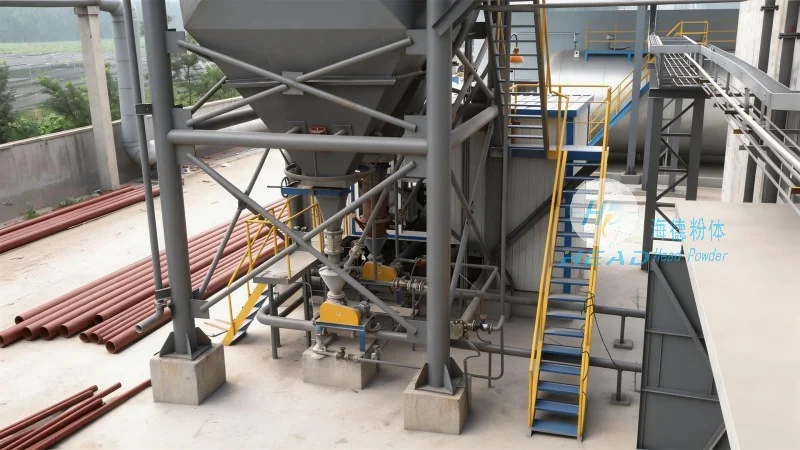
Maintaining the performance and longevity of a tailings material pneumatic conveying machine requires regular maintenance and adherence to safety protocols. Regular maintenance includes checking and replacing filter elements, inspecting the vacuum pump and rotary valve for wear and tear, and ensuring the pipeline is free from blockages or leaks. The filter is a critical component that requires frequent replacement to prevent clogging and maintain system efficiency. The vacuum pump and rotary valve should be inspected periodically to ensure they are operating within their specified parameters. The pipeline should also be checked for any signs of corrosion or damage, as tailings can be abrasive and corrosive. Safety considerations are paramount in the operation of these systems, as they involve the handling of potentially hazardous materials and high-pressure air. Operators must follow all safety guidelines, including wearing appropriate personal protective equipment (PPE) such as gloves, goggles, and respirators. The system should be equipped with emergency shut-off valves and pressure relief devices to prevent accidents. Regular training for operators on the proper use and maintenance of the equipment is essential to ensure safe and efficient operation. By following these maintenance and safety practices, the lifespan of the machine can be extended, and the risk of accidents can be minimized.
Conclusion
Tailings material pneumatic conveying machines are sophisticated equipment that play a vital role in the efficient handling of tailings in mining and mineral processing operations. The working principle, which combines pneumatic technology with mechanical components, enables the reliable and safe transport of tailings over long distances. The operation process involves several steps, from material loading to transport and discharge, all designed to optimize performance and minimize downtime. Shandong HeadPowder Engineering Co., Ltd. is a leading provider of such equipment, offering high-quality solutions tailored to the needs of the mining industry. By understanding the operation process and working principle of these machines, businesses can make informed decisions about their material handling needs and improve their overall operational efficiency. The continued development and application of pneumatic conveying technology will further enhance the sustainability and productivity of mining operations worldwide.