

Operation Process and Working Principle of a Carbon Black Powder Material Pneumatic Conveyor
HeadPowder, a leading manufacturer based in Shandong, China, specializes in the design and production of advanced pneumatic conveying systems for carbon black powder. These systems are engineered to efficiently transport carbon black powder, a critical raw material in various industrial applications, from storage silos to processing units. The operation of a carbon black powder pneumatic conveyor involves a systematic process that combines air flow, pressure differentials, and specialized equipment to ensure reliable and efficient material handling.
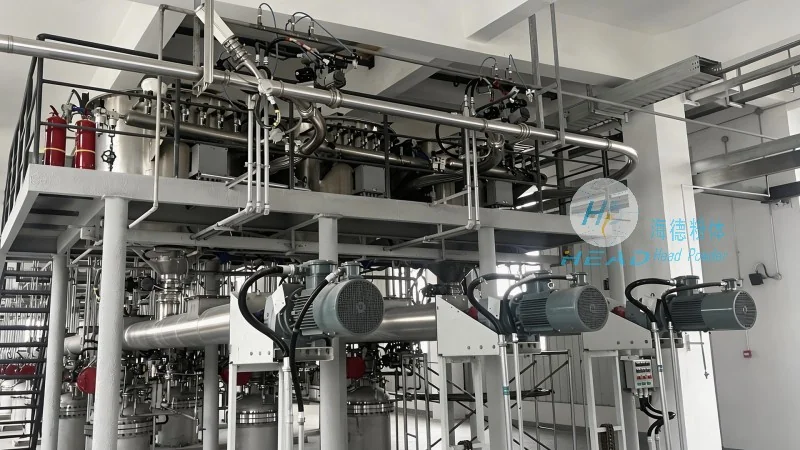
Basic Working Principle of the Pneumatic Conveyor
The core of a carbon black powder pneumatic conveyor is its ability to use compressed air to move powder through a pipeline. The system typically consists of a feeding hopper, a rotary airlock valve, a conveying line, and a receiver or discharge point. The working principle relies on creating a pressure differential between the inlet and outlet of the conveying line. When compressed air is introduced into the pipeline, it creates a low-pressure zone at the discharge end, which draws the carbon black powder from the hopper into the air stream. The powder is then carried through the pipeline as a suspension, reaching the receiver where the air and powder are separated, typically through a cyclone or filter system.
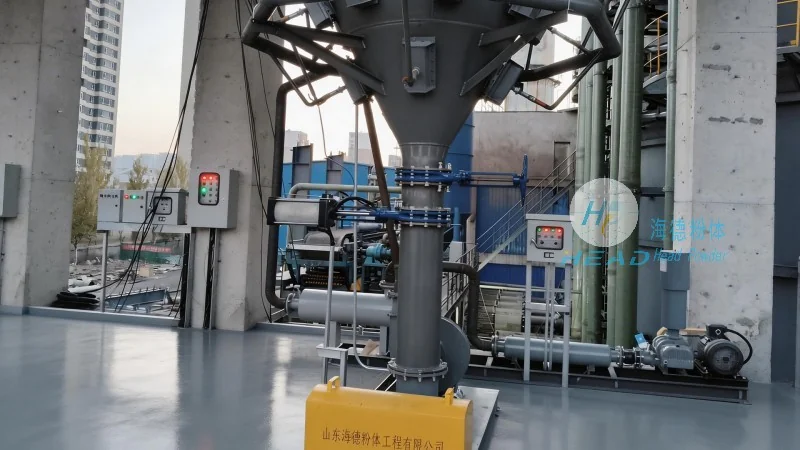
Step-by-Step Operation Process
The operation of a carbon black powder pneumatic conveyor can be broken down into several key steps. First, the carbon black powder is fed into the hopper from a storage silo or bag. The rotary airlock valve at the bottom of the hopper controls the flow of powder into the conveying line, preventing backflow and ensuring a consistent feed rate. Next, compressed air is supplied to the conveying line, creating the necessary pressure differential. The air velocity is maintained at a level sufficient to keep the powder suspended and prevent clogging. The mixture travels through the pipeline and enters the receiver at the discharge end. Here, a cyclone or filter separates the air from the carbon black powder. The separated powder is collected in a container, while the air is either vented or recirculated, depending on the system design. This process is continuous and can be adjusted to handle varying flow rates and material characteristics.
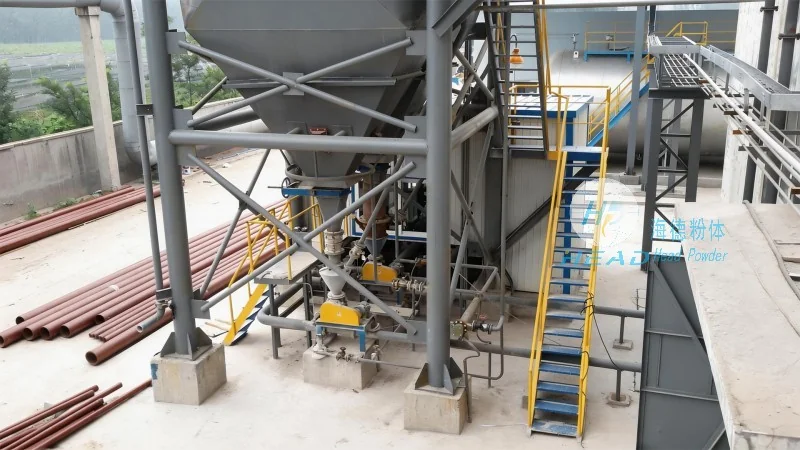
Key Components and Their Functions
Several critical components contribute to the efficient operation of a carbon black powder pneumatic conveyor. The feeding hopper is designed to store the carbon black powder and provide a stable feed to the system. The rotary airlock valve acts as a gate, controlling the flow of powder and preventing air from escaping back into the hopper. The conveying line, usually made of stainless steel or other corrosion-resistant materials, is designed to withstand the pressure and temperature of the air and powder mixture. The receiver, often equipped with a cyclone separator, efficiently separates the air and powder, ensuring that the carbon black powder is collected without contamination. Additionally, the system may include a blower or compressor to generate the compressed air, and a control panel to monitor and adjust the flow rate and pressure.
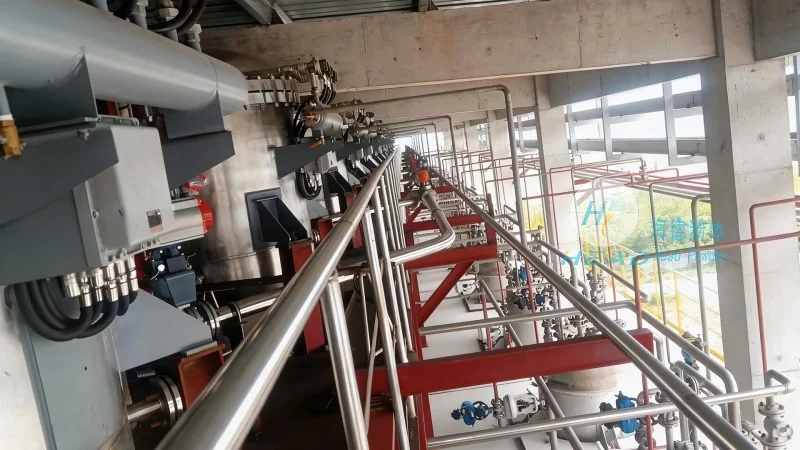
Advantages of Using a Carbon Black Powder Pneumatic Conveyor
Implementing a carbon black powder pneumatic conveyor offers several advantages over traditional material handling methods. First, it provides a dust-free and enclosed system, reducing the risk of dust exposure and environmental contamination. This is particularly important for carbon black powder, which can be hazardous if inhaled. Second, the system is highly efficient, with minimal material loss and low maintenance requirements. The enclosed design also prevents material degradation and cross-contamination, ensuring the quality of the carbon black powder is maintained throughout the transport process. Furthermore, the pneumatic conveyor can handle varying flow rates and material characteristics, making it versatile for different industrial applications. The system is also compact and can be installed in confined spaces, saving valuable floor space in industrial facilities.