

Operation Process and Working Principle of Urea Granular Material Pneumatic Conveying System
Urea granular material pneumatic conveying systems are critical in modern industrial processes, particularly in the fertilizer and chemical sectors. These systems efficiently transport urea granules from storage to processing or packaging units, ensuring smooth and continuous operations. The system's design and operation are tailored to handle the specific characteristics of urea granules, such as their size, density, and flowability, to maintain optimal performance and minimize operational issues.
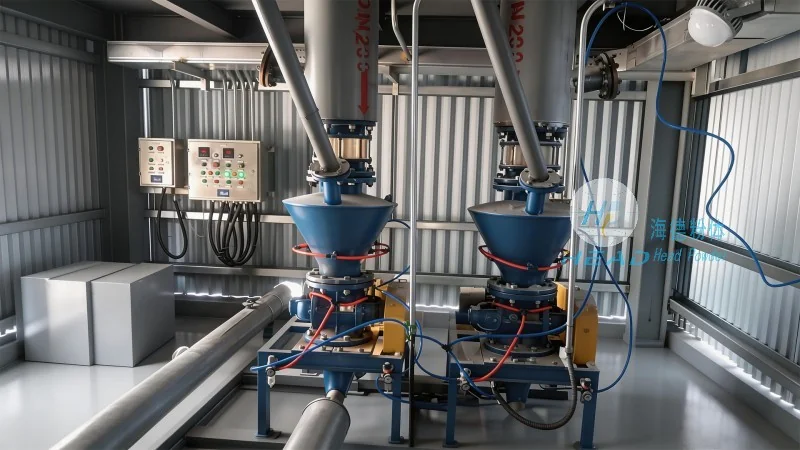
Key Components of the Pneumatic Conveying System
The urea granular material pneumatic conveying system typically consists of several key components that work in tandem to achieve effective material transport. These components include a hopper or storage silo for holding the urea granules, a feeder mechanism to control the flow rate of the material, a conveying line (often equipped with air ducts or pipes), a blower or compressor to generate the necessary air pressure, and a receiver or discharge unit for delivering the material to its final destination. Each component plays a vital role in the overall functionality of the system, and their proper integration is essential for reliable operation.
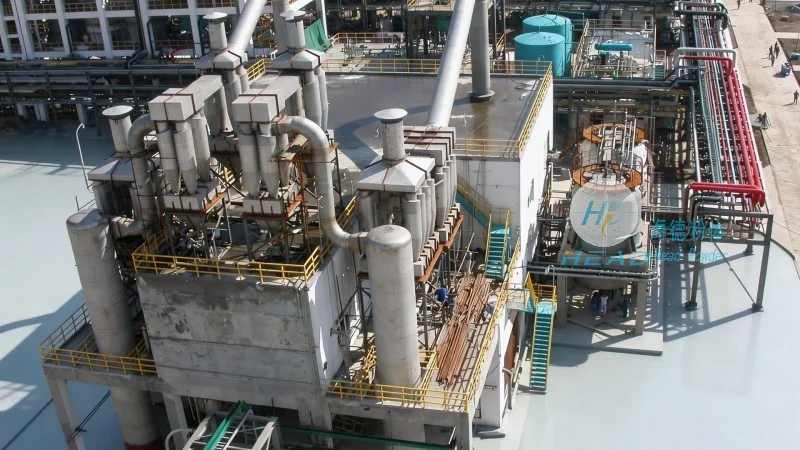
Operation Process of the System
The operation process of a urea granular material pneumatic conveying system involves several sequential steps. First, the urea granules are fed from the storage hopper into the conveying line through a controlled feeder. The feeder ensures a consistent and regulated flow of material, preventing overloading or underfeeding that could disrupt the system. Next, the blower or compressor generates a high-pressure air stream, which is introduced into the conveying line. The air stream creates a negative pressure or positive pressure environment, depending on the system design, to draw or push the urea granules through the line. As the granules travel through the ducts, they are suspended and transported by the air flow. The system may include intermediate pulse valves or airlocks to control the flow and prevent blockages. Finally, the urea granules are discharged from the conveying line into the receiver or processing unit, completing the transport cycle.
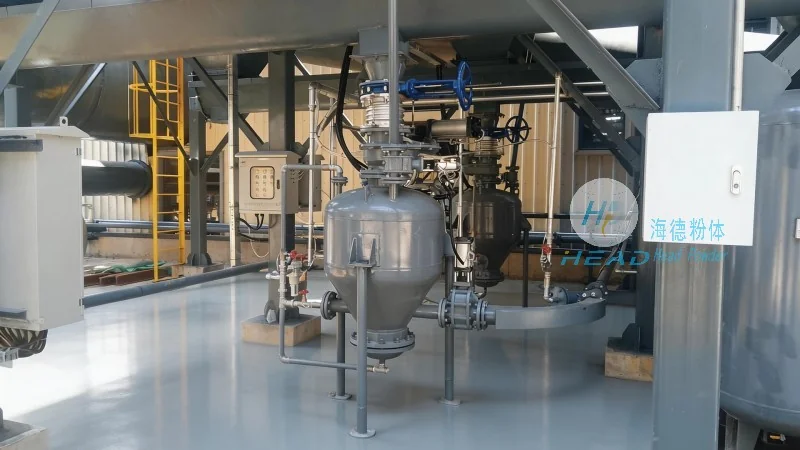
Working Principle of the Pneumatic Conveying System
The working principle of the urea granular material pneumatic conveying system is based on the principles of fluid dynamics and particle transport. The system utilizes air as the conveying medium to move the solid urea granules. There are two primary modes of pneumatic conveying: dilute phase and dense phase. In dilute phase conveying, the air velocity is high enough to keep the granules suspended in the air stream, allowing for long-distance transport with minimal pressure drop. In dense phase conveying, the air velocity is lower, and the granules are transported in a slurry-like state, which is suitable for handling abrasive or sensitive materials like urea granules. The system's blower or compressor provides the necessary pressure to overcome the resistance in the conveying line, including friction losses and changes in elevation. The control system monitors parameters such as air pressure, flow rate, and material level to maintain optimal operation and prevent system failures.
Advantages of Using Pneumatic Conveying for Urea Granules
Employing a pneumatic conveying system for urea granular material offers several advantages over traditional mechanical conveying methods. First, it eliminates the need for mechanical components like conveyor belts or screw conveyors, reducing maintenance costs and the risk of mechanical failure. Second, the system is highly flexible, allowing for easy reconfiguration or expansion to accommodate changes in production volume or process requirements. Third, pneumatic conveying is effective in handling materials with varying properties, such as different sizes or moisture content, without causing degradation or segregation. Additionally, the system can be integrated with other process equipment, such as mixers or reactors, to streamline the overall production workflow. These advantages make pneumatic conveying an ideal solution for urea granular material transport in industrial settings.
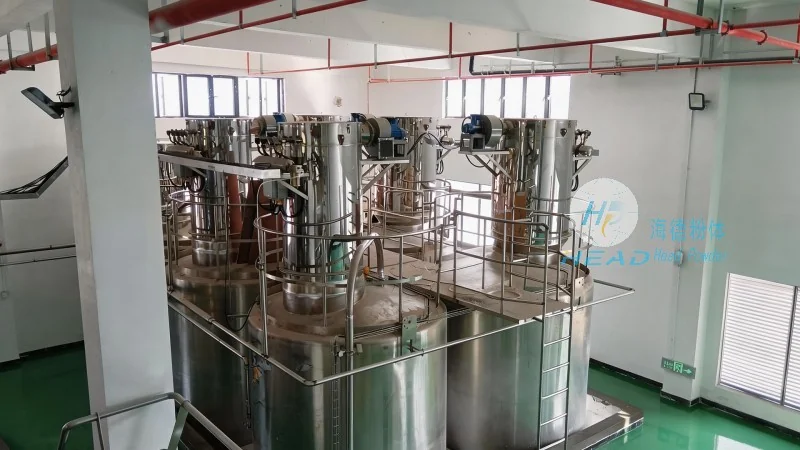
Maintenance and Operational Considerations
Proper maintenance and operational considerations are crucial for ensuring the long-term reliability and efficiency of the urea granular material pneumatic conveying system. Regular inspection and cleaning of the conveying line and components are necessary to prevent the accumulation of urea dust or debris, which can lead to blockages or reduced air flow. The blower or compressor should be checked regularly for proper operation and efficiency, as any issues can impact the system's performance. Additionally, the feeder mechanism should be calibrated to maintain consistent material flow rates, as fluctuations can affect the overall system stability. Monitoring air pressure and flow rates during operation helps identify potential issues early, allowing for timely adjustments or repairs. By adhering to these maintenance and operational practices, the system can operate at peak efficiency, minimizing downtime and maximizing productivity.