

Operation Process and Working Principle of Pneumatic Conveying System for Metal Silicon Materials
Shandong HeadPowder Engineering Co., Ltd. specializes in the design, manufacturing, and installation of advanced pneumatic conveying systems tailored for metal silicon materials. This article provides a detailed overview of the operation process and working principles of such systems, highlighting key components, operational mechanisms, and practical applications.
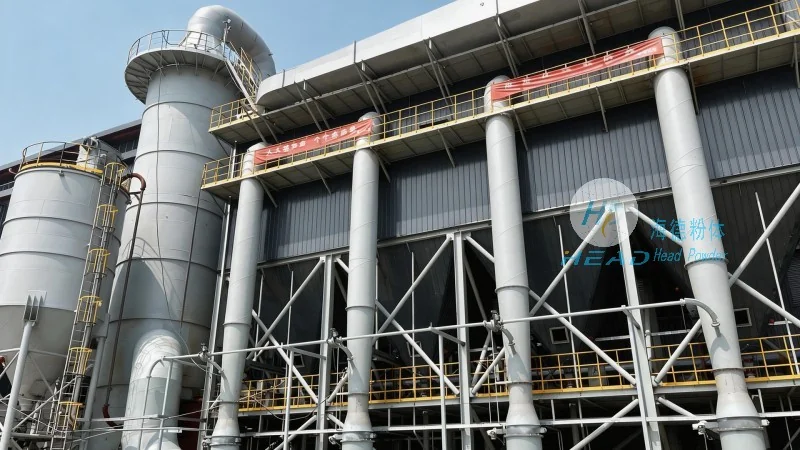
About Shandong HeadPowder Engineering Co., Ltd.
HeadPowder is a leading engineering company based in Shandong, China, dedicated to providing high-quality material handling solutions. With a strong focus on innovation and customer satisfaction, the company has established itself as a trusted partner in the industry for pneumatic conveying systems. The company's headquarters is located in Shandong, China, where it maintains a state-of-the-art facility for research, development, and production.
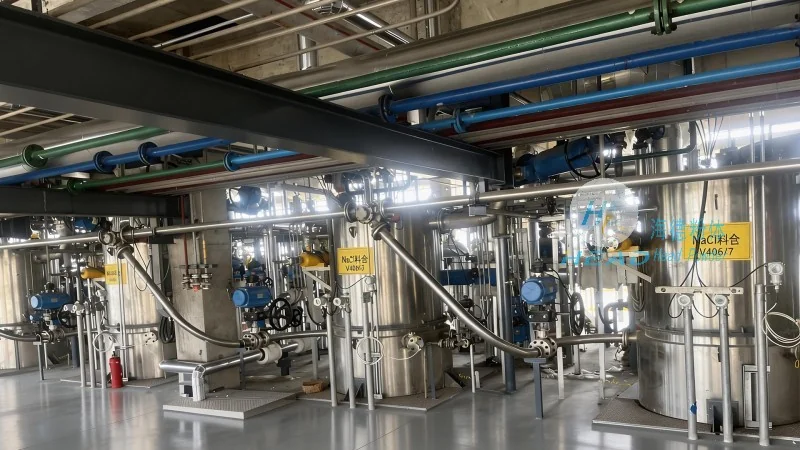
Components and Working Principle of Pneumatic Conveying Systems
A pneumatic conveying system for metal silicon materials typically consists of several key components, including a material hopper, a feeder, a conveying line, a dust collector, and a control system. The operation begins with the material being fed from the hopper into the feeder, which regulates the flow rate of the material. The feeder then introduces the metal silicon particles into the conveying line, where they are propelled by a high-pressure air stream. The air stream, often generated by a blower or a compressor, creates a negative pressure or positive pressure environment within the line, depending on the system design. This pressure differential ensures that the material is transported efficiently and safely through the system.
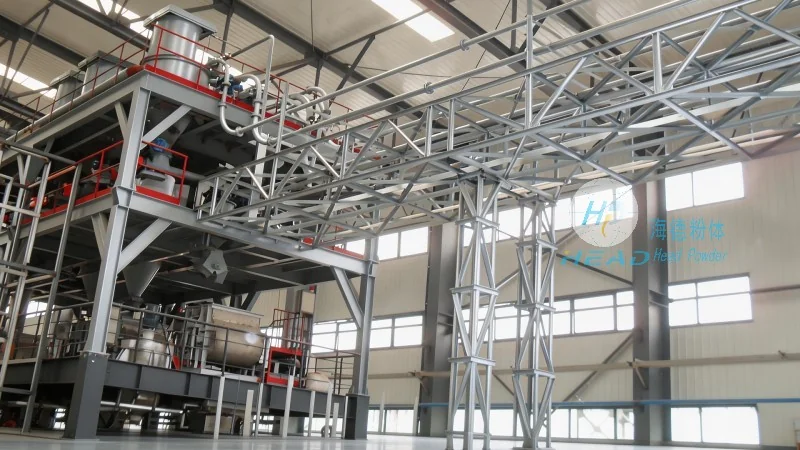
Operation Process of Metal Silicon Pneumatic Conveying Systems
The operation of a metal silicon pneumatic conveying system involves several sequential steps. First, the material is stored in the hopper, which is designed to accommodate the bulk storage of metal silicon. The hopper is equipped with a discharge valve or a rotary valve to control the material flow into the feeder. The feeder, which can be a screw feeder, a vibratory feeder, or a rotary valve, ensures a consistent and controlled feed rate. The material then enters the conveying line, which is usually made of stainless steel or other corrosion-resistant materials to handle the abrasive nature of metal silicon. The conveying line is connected to a blower or a compressor that supplies the necessary air pressure. The air stream carries the metal silicon particles through the line, and the system may include a series of bends, elbows, and straight sections to guide the material to the destination point. At the end of the conveying line, a receiver or a silo is used to collect the material, and a dust collector is often integrated to capture any airborne particles and ensure environmental compliance.
Advantages and Practical Applications
Pneumatic conveying systems for metal silicon offer several advantages over traditional mechanical conveying methods. These include reduced material degradation, lower maintenance costs, and improved safety due to the enclosed system. The systems are particularly suitable for handling fine or dusty metal silicon powders, as they prevent dust dispersion and contamination. Additionally, the flexibility of pneumatic conveying allows for easy integration with other processing equipment, such as reactors, furnaces, or storage tanks. The systems are widely used in the metal silicon production industry for transporting raw materials, intermediate products, and finished products between different processing stages.
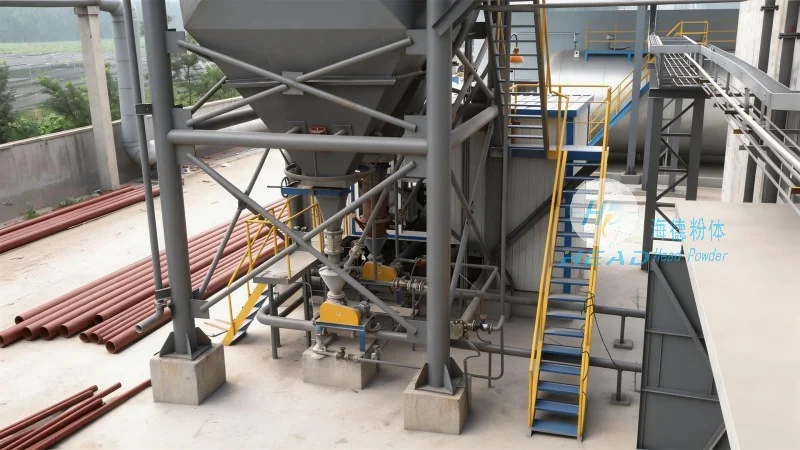
Conclusion
Shandong HeadPowder Engineering Co., Ltd. provides comprehensive solutions for metal silicon pneumatic conveying systems, combining advanced technology with expert engineering. The company's systems are designed to meet the specific requirements of metal silicon handling, ensuring efficient, reliable, and safe material transport. By understanding the operation process and working principles of these systems, users can optimize their material handling processes and enhance overall operational efficiency.