

Operation Process and Working Principle of Pneumatic Conveying for Cement Clinker Materials
HeadPowder, a leading engineering firm based in Shandong, China, specializes in the design, manufacturing, and installation of advanced pneumatic conveying systems tailored for cement clinker material handling. This article delves into the operation process and working principles of such systems, highlighting their efficiency, reliability, and the technical expertise behind their implementation.
Introduction to Pneumatic Conveying for Cement Clinker
Pneumatic conveying is a critical technology in the cement industry, enabling the safe and efficient transport of cement clinker from storage silos to processing units or other production stages. Unlike traditional mechanical conveying methods, which rely on belts, buckets, or screws, pneumatic systems use compressed air or vacuum to move bulk materials through pipelines. This approach offers significant advantages in terms of flexibility, reduced maintenance, and the ability to handle materials that are abrasive or dusty, which are common characteristics of cement clinker.
Working Principle of Pneumatic Conveying Systems
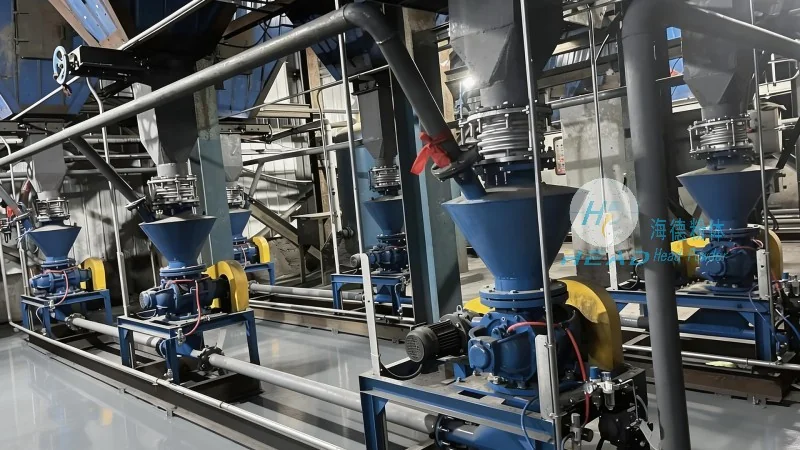
The core of a pneumatic conveying system for cement clinker involves several key components and processes. The system typically operates on one of two principles: positive pressure (or pressure) systems, where air is forced through the pipeline to push the material, or negative pressure (or vacuum) systems, where a vacuum is created to pull the material. In both cases, the process begins with the material being fed into a hopper or feeder, which ensures a consistent flow rate. From there, the material is introduced into the conveying line, often mixed with air or a carrier gas, and transported to the discharge point.
For positive pressure systems, a blower or compressor provides the necessary air pressure to move the material. The air and material mixture travels through the pipeline, with the air velocity maintained above the material's terminal velocity to prevent settlement. At the discharge end, a rotary valve or other separator separates the material from the air, allowing the clinker to be deposited into the target silo or storage area. The air is then filtered and recycled back into the system to minimize waste and energy consumption.
In negative pressure systems, a vacuum pump creates a low-pressure environment in the pipeline, drawing the material and air mixture from the source. The material is then carried through the pipeline by the vacuum, with the air velocity again exceeding the material's terminal velocity to ensure stable transport. The discharge point typically features a venturi or other device to separate the material from the air, and the air is filtered before being released or recirculated.
Operation Process of Cement Clinker Pneumatic Conveying
The operation process of a pneumatic conveying system for cement clinker involves several sequential steps that ensure smooth and continuous material transport. The first step is the preparation phase, where the clinker is stored in a silo or hopper and prepared for feeding. This includes ensuring the material is free of large debris and that the feeder is properly calibrated to maintain a consistent flow rate.
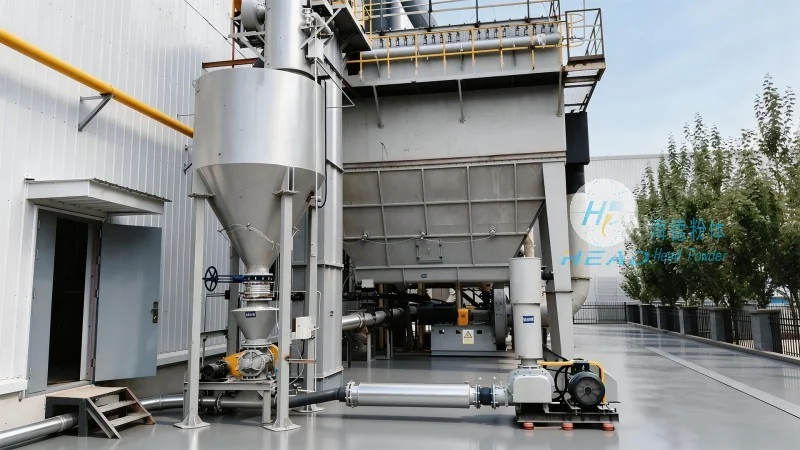
Next, the feeding process begins. The clinker is drawn from the storage hopper and introduced into the conveying line, either by a rotary valve or a screw feeder. The material is then mixed with the carrier air, which is supplied by the blower or vacuum pump. The air and material mixture travels through the pipeline at a controlled velocity, with the system monitoring pressure and flow rates to maintain optimal performance.
During transport, the system continuously monitors key parameters such as air pressure, material flow rate, and pipeline pressure. Any deviations are detected by sensors and adjusted by the control system to maintain stable operation. This real-time monitoring ensures that the material is conveyed efficiently and without blockages or excessive wear on the equipment.
The final stage of the operation process is the discharge and separation. At the receiving end, the clinker is separated from the air using a separator, such as a cyclone or a bag filter. The separated material is then deposited into the target silo or processing unit. The air, now filtered of any dust or clinker particles, is either released to the atmosphere or recirculated back into the system to conserve energy and reduce operational costs.
Key Components and Their Roles in the System
Several critical components work together to ensure the efficient operation of a pneumatic conveying system for cement clinker. These include the hopper or feeder, which provides a consistent material supply; the blower or vacuum pump, which generates the necessary air pressure or vacuum; the conveying pipeline, which transports the material; the separator or filter, which removes the material from the air; and the control system, which monitors and adjusts the process parameters.
The hopper or feeder is designed to handle the bulk storage and feeding of clinker, ensuring a uniform flow rate that prevents overloading or underloading of the conveying system. The blower or vacuum pump is the power source, providing the energy needed to move the material through the pipeline. The pipeline itself is typically made of durable materials such as stainless steel or plastic, chosen for their resistance to abrasion and corrosion from the clinker.
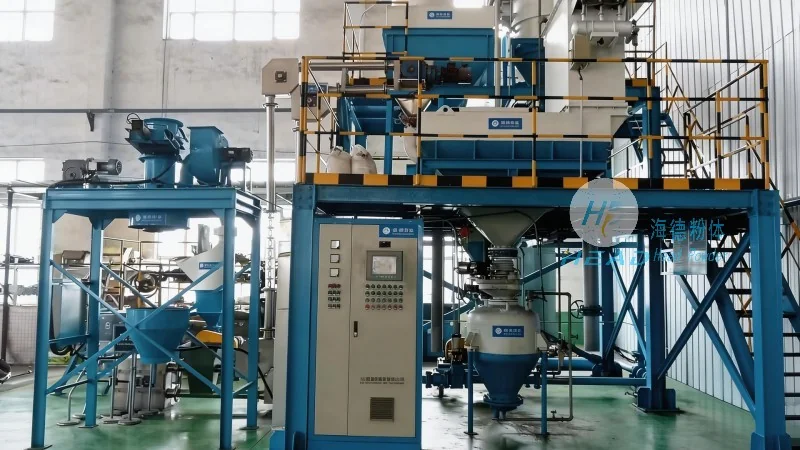
The separator or filter is a crucial component for maintaining system efficiency and safety. It removes clinker particles from the air, preventing dust accumulation in the system and ensuring that the air is clean before being recirculated. The control system, often integrated with sensors and automation technology, monitors key parameters such as pressure, flow rate, and temperature, and adjusts the system settings in real time to optimize performance and prevent equipment damage.
Advantages of Pneumatic Conveying for Cement Clinker
Pneumatic conveying systems offer several advantages over traditional mechanical conveying methods for cement clinker. One of the primary benefits is the flexibility in layout, as the system can be installed in various configurations, including vertical, horizontal, or a combination of both, to suit the specific layout of a cement plant. This flexibility allows for efficient use of space and easy integration with existing infrastructure.
Another key advantage is the reduced maintenance requirements. Unlike mechanical systems, which require regular lubrication, belt replacement, or screw cleaning, pneumatic systems have fewer moving parts and are less prone to wear and tear. This results in lower maintenance costs and increased system uptime, which is critical for maintaining production efficiency in the cement industry.
Efficiency and energy savings are also significant benefits. Pneumatic systems can transport materials over long distances with minimal energy consumption, and the ability to recycle air reduces waste and lowers operational costs. Additionally, the system's ability to handle abrasive and dusty materials without damage makes it ideal for cement clinker, which is known for its harsh properties.
Conclusion and Company Overview
HeadPowder Engineering Co., Ltd., based in Shandong, China, is a trusted provider of advanced pneumatic conveying systems for cement clinker material handling. With years of experience and expertise in the cement industry, the company designs and manufactures customized solutions that meet the specific needs of its clients. By leveraging the latest technology and engineering principles, HeadPowder ensures that its systems are efficient, reliable, and cost-effective, helping cement plants optimize their material transport processes and improve overall productivity.