

Operation Process and Working Principle of Pneumatic Conveying for Dry Flue Gas Desulfurization Ash
Understanding the operation process and working principle of pneumatic conveying for dry flue gas desulfurization (FGD) ash materials is crucial for optimizing material handling in industrial applications. This article provides a detailed overview of the key aspects involved in the pneumatic transport of these materials, focusing on the technical and operational considerations that ensure efficient and reliable performance.
About Shandong HeadPowder Engineering Co., Ltd.
Shandong HeadPowder Engineering Co., Ltd., commonly known as headpowder, is a leading provider of engineering solutions for material handling systems. With a strong presence in China, particularly in Shandong province, the company specializes in designing and implementing advanced pneumatic conveying systems tailored to the needs of power plants and industrial facilities dealing with FGD ash. The company’s expertise lies in ensuring that material transport processes are efficient, cost-effective, and environmentally compliant.
Operation Process of Pneumatic Conveying for FGD Ash
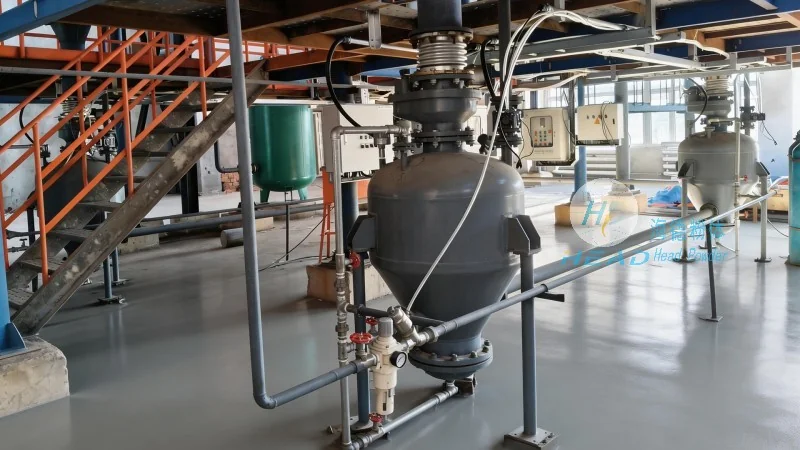
The operation process of pneumatic conveying for dry FGD ash materials typically involves several key steps. The process begins with the storage of the ash in a hopper or silo, where the material is prepared for transport. From the storage vessel, the ash is drawn into the conveying system using a vacuum or pressure source, depending on the specific system design. The material is then carried through a pipeline by a stream of air, which can be either an air stream (in suction mode) or a pressurized air stream (in pressure mode). The conveying system includes components such as feeders, cyclones, filters, and discharge equipment to ensure smooth and controlled transport of the ash from the source to the destination, such as a landfill, storage facility, or recycling plant.
Working Principle of Pneumatic Conveying Systems
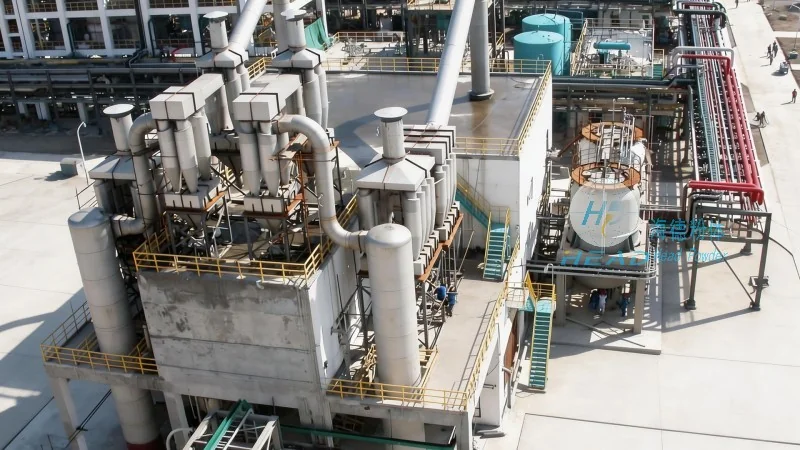
The working principle of pneumatic conveying for FGD ash relies on the use of air as the conveying medium to transport solid particles. In suction mode, a vacuum is created at the inlet of the system, which draws the ash particles into the pipeline. The air and ash mixture is then transported through the pipeline, with the ash particles suspended in the air stream. At the discharge point, a cyclone or separator is used to separate the ash from the air, allowing the ash to be deposited in the designated location while the air is either recirculated or vented. In pressure mode, the system uses a positive pressure to push the ash through the pipeline, with the ash particles again suspended in the air stream. The pressure system typically includes a blower or compressor to generate the necessary pressure, and the ash is transported through the pipeline to the discharge point, where it is collected and processed.
Key Components of Pneumatic Conveying Systems for FGD Ash
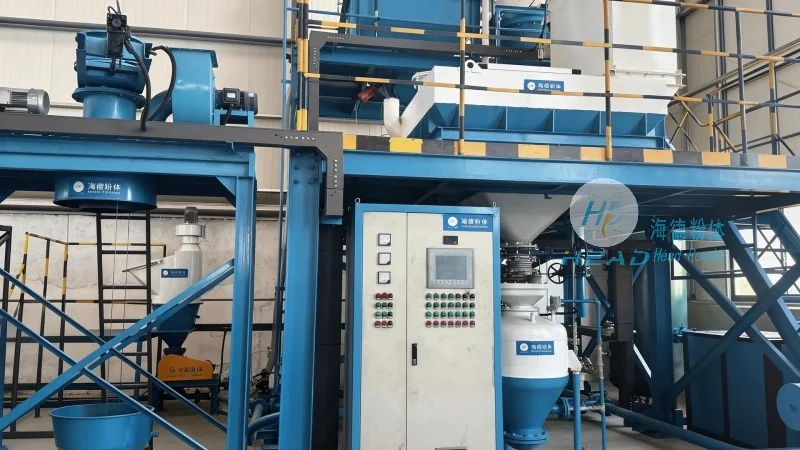
Several key components are essential for the efficient operation of pneumatic conveying systems for FGD ash. These include: 1. Hoppers and silos: Used for storing the ash before it is conveyed, ensuring a consistent feed to the system. 2. Feeders: Provide a controlled flow of ash into the conveying pipeline, preventing blockages and ensuring uniform transport. 3. Conveying pipelines: The main channel through which the ash and air mixture travels, typically made of materials such as stainless steel or plastic to withstand the abrasive nature of the ash. 4. Cyclones and separators: Used to separate the ash from the air at the discharge point, ensuring that the ash is deposited in the correct location and that the air is properly handled. 5. Filters and dust collectors: Capture any fine particles that may be present in the air stream, preventing air pollution and ensuring compliance with environmental regulations. 6. Discharge equipment: Used to collect the ash from the pipeline and deposit it in the designated storage or disposal area.
Advantages and Challenges of Pneumatic Conveying for FGD Ash
Pneumatic conveying offers several advantages for transporting dry FGD ash materials. These include: 1. High efficiency: The system can transport large volumes of ash over long distances with minimal downtime. 2. Flexibility: The system can be easily adapted to different plant layouts and operational requirements. 3. Low maintenance: Compared to other material handling methods, such as belt conveyors, pneumatic conveying systems require less maintenance and have fewer moving parts. 4. Environmental benefits: The system can help reduce the environmental impact of ash disposal by transporting the material to a centralized location for proper handling and disposal.
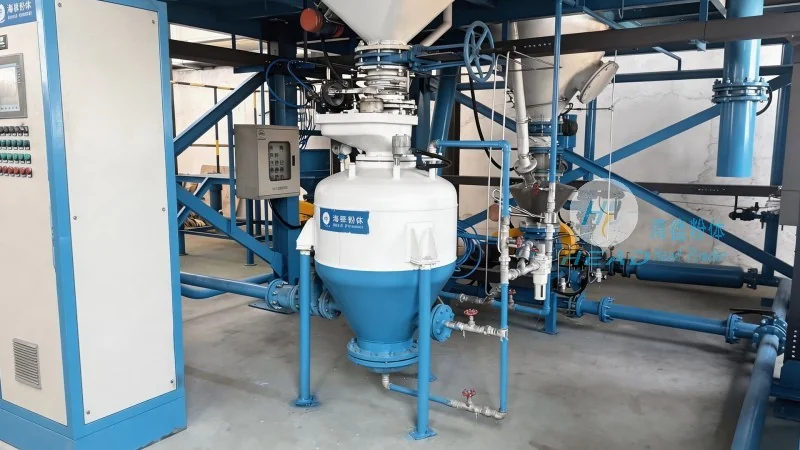
However, there are also some challenges associated with pneumatic conveying for FGD ash. These include: 1. Abrasive nature of the ash: The ash can be abrasive, which can cause wear and tear on the system components, requiring regular maintenance and replacement of parts. 2. Air pollution: The system can generate dust and air pollution, which must be controlled through the use of filters and dust collectors. 3. System complexity: The system can be complex, requiring specialized knowledge and expertise to design and operate effectively. 4. Energy consumption: The system can consume a significant amount of energy, particularly in pressure mode systems, which can increase operating costs.
Application Examples of Pneumatic Conveying for FGD Ash
Pneumatic conveying systems for FGD ash are widely used in power plants and industrial facilities across China. For example, a large coal-fired power plant in Shandong province uses a pneumatic conveying system to transport dry FGD ash from the desulfurization unit to a nearby landfill. The system has been in operation for several years and has proven to be highly efficient and reliable, with minimal downtime and low maintenance costs. Another example is a steel plant in the same province, which uses a pneumatic conveying system to transport ash from its FGD unit to a recycling facility, where the ash is used as a raw material for cement production.