

Abrasives Powder Pneumatic Conveying System: Operation Process and Working Principle
Shandong HeadPowder Engineering Co., Ltd., a leading manufacturer based in Shandong, China, specializes in the design and production of advanced pneumatic conveying systems for abrasive powders. This article provides a detailed overview of the operation process and working principles of their abrasives powder pneumatic conveying system, highlighting key components, operational mechanics, and practical applications.
Introduction to Abrasives Powder Pneumatic Conveying Systems
Abrasives powder pneumatic conveying systems are essential for the efficient and safe transportation of abrasive materials, such as aluminum oxide, silicon carbide, and other high-density powders, in industrial settings. These systems utilize air or gas as the conveying medium to move powders through pipelines, eliminating the need for mechanical components like belts or buckets that may be prone to wear and tear in abrasive environments. The system's design is tailored to handle the unique challenges posed by abrasive powders, including high friction, potential caking, and the need for minimal material degradation.
Key Components of the Abrasives Powder Pneumatic Conveying System
The abrasives powder pneumatic conveying system consists of several critical components that work in concert to ensure reliable and efficient material transport. These components include the material feed hopper, the air compressor or blower, the conveying pipeline, the control valves, and the discharge unit. Each component plays a vital role in the overall system performance.
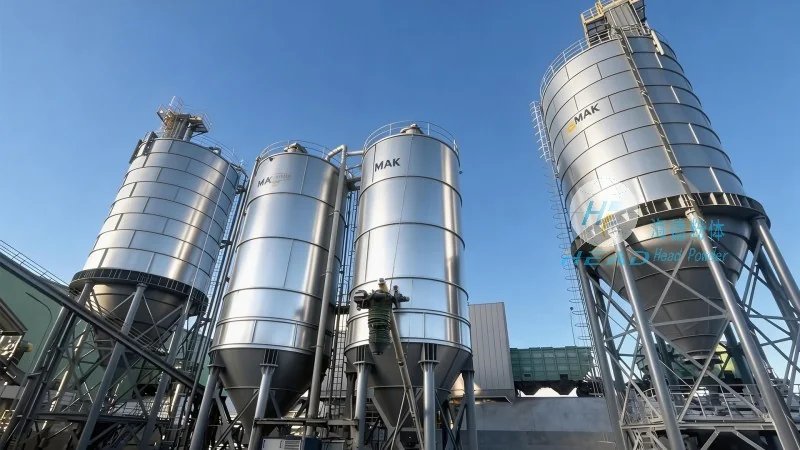
The material feed hopper is designed to store and feed the abrasive powder into the system. It typically features a hopper with a conical bottom and a discharge valve that can be controlled to regulate the flow rate of the powder. The hopper is often equipped with a level indicator to monitor the material inventory and prevent overfilling or underfilling. For abrasive powders, the hopper is constructed from wear-resistant materials, such as stainless steel or special alloys, to withstand the abrasive effects of the material.
The air compressor or blower is the heart of the pneumatic conveying system, responsible for generating the necessary pressure and airflow to move the powder through the pipeline. The choice of compressor depends on the system's capacity and the specific requirements of the abrasive material. For high-capacity systems, a positive displacement blower or a rotary lobe blower may be used, while for smaller systems, a centrifugal blower can be employed. The compressor is connected to the pipeline via a filter and regulator to ensure clean, dry air is supplied to the system, preventing contamination and ensuring optimal performance.
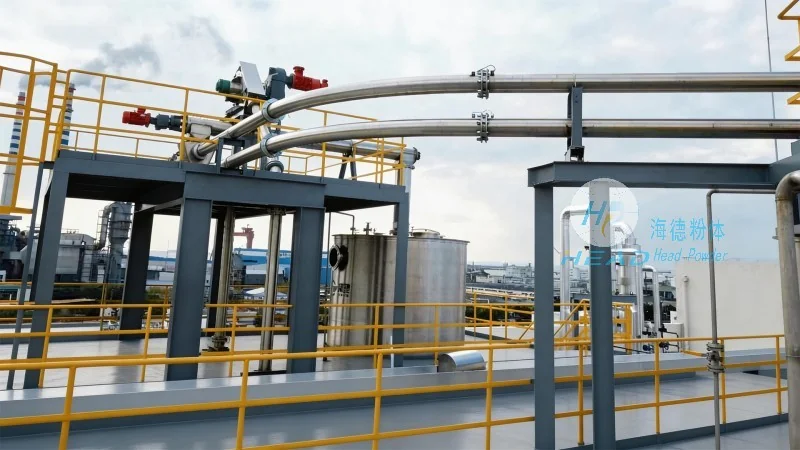
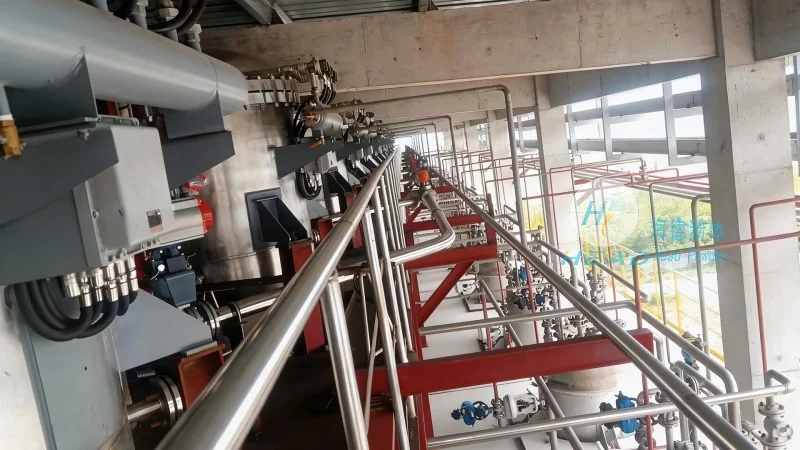
The conveying pipeline is a network of pipes that transports the abrasive powder from the feed hopper to the discharge point. The pipeline is typically made of stainless steel or other corrosion-resistant materials to handle the abrasive nature of the powder. The diameter and length of the pipeline are carefully selected based on the system's capacity and the distance between the feed and discharge points. The pipeline may include bends, elbows, and other fittings that are designed to minimize pressure loss and prevent material buildup or blockages.
The control valves are used to regulate the flow of air and powder within the system. These valves include the feed valve, the discharge valve, and the pressure relief valve. The feed valve controls the rate at which the powder is introduced into the system, while the discharge valve controls the release of the powder at the destination. The pressure relief valve is installed to protect the system from overpressure, ensuring safe operation. The control valves are typically automated and can be integrated with a control system to monitor and adjust the system's performance in real-time.
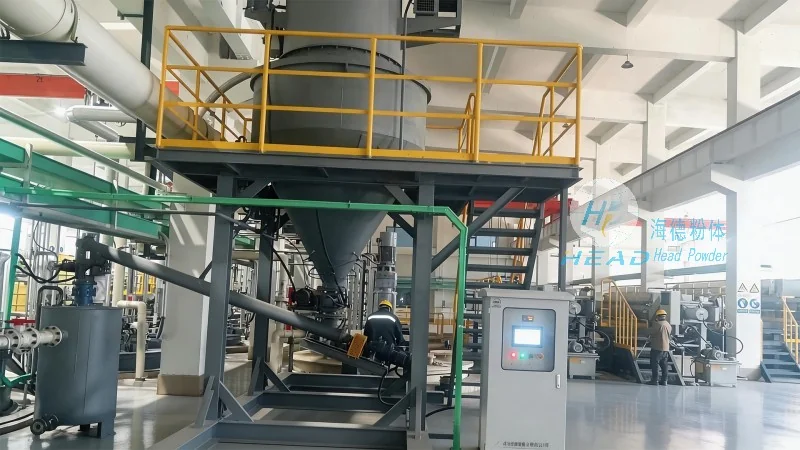
The discharge unit is the final component of the system, where the abrasive powder is released from the pipeline. The discharge unit may include a hopper or a container that collects the powder and prevents it from being released into the environment. The discharge unit is also equipped with a valve to control the release of the powder, ensuring that it is discharged in a controlled manner. For abrasive powders, the discharge unit is designed to minimize dust generation and ensure that the powder is handled safely.
Working Principle of the Abrasives Powder Pneumatic Conveying System
The working principle of the abrasives powder pneumatic conveying system is based on the principle of fluidization and suspension. The air compressor generates a high-pressure airflow that is introduced into the conveying pipeline. As the air flows through the pipeline, it creates a low-pressure zone that draws the abrasive powder from the feed hopper into the pipeline. The powder is then suspended in the air stream and transported through the pipeline to the discharge point. The air and powder mixture continues to flow until the powder is discharged from the system.
The key to the system's efficiency is the balance between the air flow rate and the powder feed rate. If the air flow rate is too low, the powder may not be fully suspended and may settle in the pipeline, leading to blockages. If the air flow rate is too high, the powder may be over-suspended, causing excessive pressure loss and energy consumption. The system's control system monitors the pressure and flow rates to maintain the optimal balance between the air and powder, ensuring smooth and continuous operation.
The system also incorporates features to prevent material buildup and blockages. For example, the pipeline may include a venturi or a pulse jet system that periodically cleans the pipeline by creating a high-velocity air pulse that dislodges any material that has settled. The system may also include a filter at the discharge point to capture any fine particles that may have escaped from the pipeline, preventing them from being released into the environment.
Operation Process of the Abrasives Powder Pneumatic Conveying System
The operation process of the abrasives powder pneumatic conveying system involves several steps that ensure the system operates safely and efficiently. The first step is to prepare the system for operation, which includes checking the material feed hopper for sufficient inventory, ensuring the air compressor is functioning properly, and verifying that all control valves are in the correct position.
Once the system is prepared, the air compressor is started, and the airflow is adjusted to the desired level. The feed valve is then opened to allow the abrasive powder to enter the pipeline. The powder is then transported to the discharge point, where it is collected in the discharge unit. The system's control system monitors the pressure and flow rates to ensure that the system is operating within the optimal range.
During operation, the system may experience variations in the powder feed rate or air flow rate. The control system automatically adjusts the airflow to maintain the optimal balance between the air and powder. If the system detects a blockage or a pressure drop, it will trigger an alarm and stop the system to prevent further damage.
The system is also equipped with safety features to protect operators and the environment. For example, the discharge unit is equipped with a dust collection system to capture any fine particles that may have escaped from the pipeline. The system may also include a pressure relief valve to prevent overpressure and ensure safe operation.
Applications and Benefits of Abrasives Powder Pneumatic Conveying Systems
Abrasives powder pneumatic conveying systems are widely used in various industries, including manufacturing, mining, and construction. These systems are particularly useful for transporting abrasive powders in applications where mechanical conveying systems are not feasible or practical. The system's ability to handle high-density and abrasive materials makes it an ideal solution for industries that require efficient and safe material transport.
The benefits of using an abrasives powder pneumatic conveying system include improved efficiency, reduced labor costs, and enhanced safety. The system eliminates the need for manual handling of abrasive powders, which can be hazardous to operators. The system also reduces the risk of material contamination and degradation, ensuring that the abrasive powder remains in optimal condition for its intended use.
Additionally, the system's compact design and low maintenance requirements make it an attractive option for industrial applications. The system can be easily integrated into existing production lines, and its modular design allows for easy expansion or modification as the production needs change.
Conclusion
Shandong HeadPowder Engineering Co., Ltd.'s abrasives powder pneumatic conveying system is a reliable and efficient solution for the transportation of abrasive powders in industrial settings. The system's design and components are tailored to handle the unique challenges posed by abrasive materials, ensuring safe and effective operation. With its advanced control system and safety features, the system provides a cost-effective and sustainable solution for industries that require efficient material transport.