

Operation Process and Working Principle of Automatic Quantitative Powder Pneumatic Conveying System
HeadPowder, a leading company in the field of powder handling technology, specializes in the design, manufacturing, and installation of advanced pneumatic conveying systems. The company is headquartered in Shandong, China, and has established a strong reputation for delivering high-quality solutions tailored to the needs of various industries. This article provides a detailed overview of the operation process and working principle of an automatic quantitative powder pneumatic conveying system, highlighting the key components and the systematic approach to material handling.
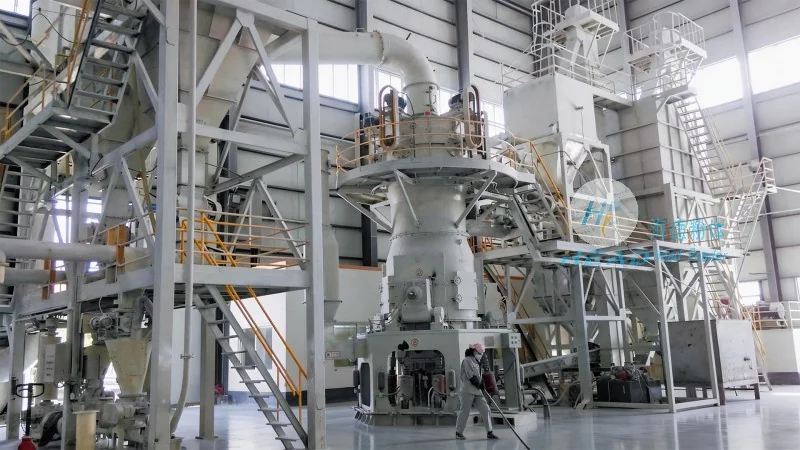
Overview of the Automatic Quantitative Powder Pneumatic Conveying System
The automatic quantitative powder pneumatic conveying system is a sophisticated piece of equipment designed to transport bulk powders efficiently and accurately. It integrates advanced control mechanisms and pneumatic technology to ensure precise dosing and reliable material transfer. The system is engineered to handle a wide range of powder types, from fine powders to granules, while maintaining consistent flow rates and minimizing product degradation. HeadPowder, as a manufacturer based in Shandong, China, has developed this system to meet the demands of industries such as food processing, pharmaceuticals, chemicals, and more.
Key Components of the System
The automatic quantitative powder pneumatic conveying system consists of several critical components that work in harmony to achieve efficient operation. These components include the hopper for material storage, a rotary valve or feeder for controlled discharge, a pneumatic conveying line with appropriate ductwork, a dust collector to manage airborne particles, and a control panel for system management. Each component plays a vital role in the overall functionality of the system, ensuring that powders are handled safely and effectively. The hopper is typically made of stainless steel or other corrosion-resistant materials to accommodate various powder types and prevent contamination. The rotary valve or feeder is designed to regulate the flow of material into the conveying line, allowing for precise dosing and preventing overfilling or underfilling. The pneumatic conveying line uses compressed air to move the powder through the ductwork, with the appropriate size and configuration of the line determined by the powder characteristics and the distance to be covered. The dust collector is essential for maintaining a clean and safe working environment by capturing any airborne particles that may be generated during the conveying process. The control panel provides operators with real-time monitoring and control capabilities, enabling adjustments to be made as needed to optimize performance.
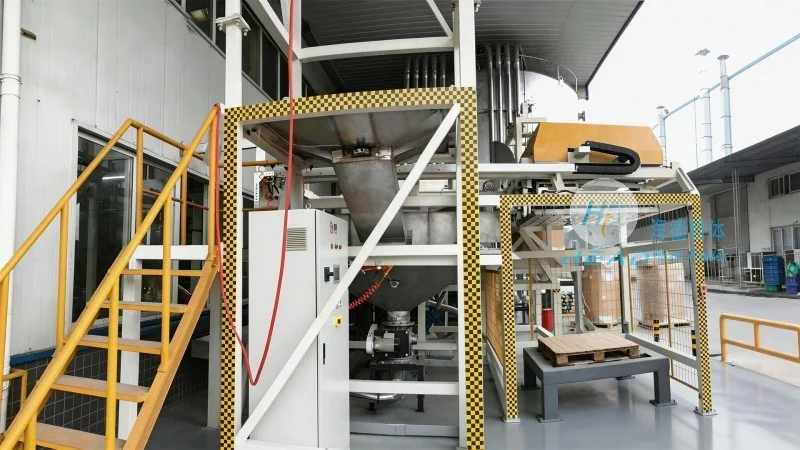
Operation Process of the System
The operation process of the automatic quantitative powder pneumatic conveying system involves several sequential steps that ensure smooth and efficient material transfer. The process begins with the loading of the hopper with the desired powder. Once the hopper is filled, the system's control panel is activated, initiating the start of the conveying cycle. The rotary valve or feeder then begins to discharge the powder into the pneumatic conveying line at a controlled rate. Compressed air is introduced into the line, creating a pressure differential that propels the powder forward. The powder travels through the ductwork, which may include bends, elbows, and other fittings, and is eventually discharged into the receiving container or processing equipment. The system continuously monitors the flow rate and pressure, adjusting the air supply as necessary to maintain consistent performance. The operation process is automated, with the system capable of running continuously without manual intervention, provided that the hopper is replenished as needed. The entire process is designed to be efficient, reducing downtime and increasing productivity in industrial settings.
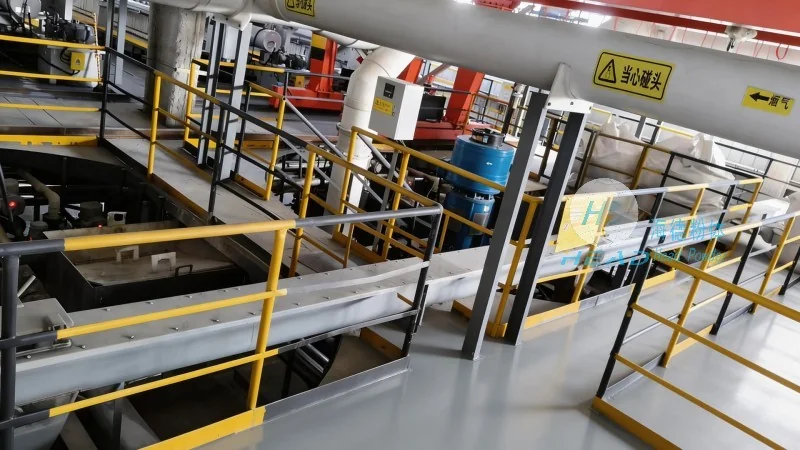
Working Principle of the System
The working principle of the automatic quantitative powder pneumatic conveying system is based on the fundamental principles of pneumatic transport. The system utilizes compressed air to create a flow of air and powder particles within the conveying line. The powder is suspended in the air stream and transported through the ductwork due to the pressure differential created by the air compressor. The key to the system's effectiveness lies in the balance between the air velocity and the powder's particle size and density. The air velocity must be sufficient to keep the powder particles suspended and prevent settling, while not being so high as to cause excessive wear on the ductwork or equipment. The system's control mechanisms ensure that the air pressure and flow rate are optimized for the specific powder being handled, resulting in efficient and reliable material transfer. The working principle also incorporates feedback control, where sensors monitor the system's performance and adjust the air supply or feeder rate to maintain the desired flow rate and pressure. This closed-loop control system ensures that the system operates within its optimal parameters, minimizing energy consumption and maximizing efficiency. The combination of pneumatic transport and precise control mechanisms makes the automatic quantitative powder pneumatic conveying system a highly effective solution for bulk powder handling in various industrial applications.
Advantages and Applications
The automatic quantitative powder pneumatic conveying system offers several advantages over traditional material handling methods, making it a preferred choice for many industries. One of the primary advantages is the ability to handle powders in a closed system, which reduces the risk of contamination and dust exposure. The system also provides precise dosing capabilities, ensuring that the correct amount of powder is delivered to the processing equipment, which is critical in applications such as pharmaceutical manufacturing and food processing. Additionally, the system is designed for high efficiency, with minimal downtime and low maintenance requirements. HeadPowder's system is particularly suitable for applications that require consistent flow rates and accurate material transfer, such as in the production of chemicals, pharmaceuticals, and food products. The system's flexibility allows it to be adapted to various powder types and processing requirements, making it a versatile solution for a wide range of industrial needs. In summary, the automatic quantitative powder pneumatic conveying system is a reliable and efficient solution for bulk powder handling, offering significant benefits in terms of safety, precision, and productivity.