

Operation Process and Working Principle of Calcium Hydroxide Material Conveying Line
Calcium hydroxide, commonly known as slaked lime, is a widely used chemical in various industrial applications. The efficient transportation of this material is crucial for maintaining production efficiency and safety in processing facilities. This article provides a detailed overview of the operation process and working principle of a calcium hydroxide material conveying line, highlighting key components, operational steps, and the engineering considerations that ensure smooth and reliable material handling.
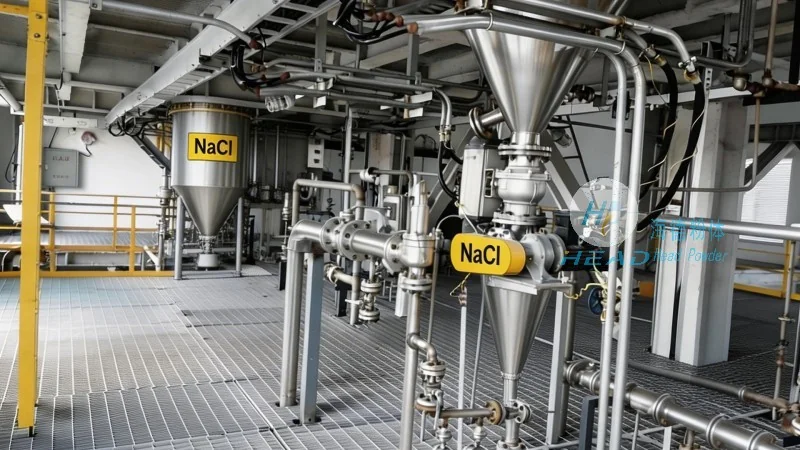
Overview of Calcium Hydroxide Material Conveying Systems
Calcium hydroxide material conveying lines are engineered to transport calcium hydroxide powder or slurry from storage areas to processing units or end-use applications. These systems are typically designed with considerations for the material's properties, such as its reactivity, moisture content, and flow characteristics. The conveying line may include components like hoppers, feeders, conveyors (e.g., screw conveyors, belt conveyors), and control systems to ensure consistent and controlled material movement.
Key Components of the Conveying Line
The calcium hydroxide material conveying line consists of several critical components that work in tandem to facilitate material transport. The primary components include:
- Material Hopper: A storage vessel that holds the calcium hydroxide material, providing a consistent feed to the conveying system. The hopper is designed to prevent material bridging and ensure uniform discharge.
- Feeder: A device that regulates the flow rate of calcium hydroxide from the hopper to the conveyor. Common types include screw feeders, vibratory feeders, or rotary valves, which are selected based on the material's bulk density and flowability.
- Conveyor System: The core component responsible for moving the material through the line. Screw conveyors are often used for vertical or inclined transport due to their ability to handle powders and granules effectively. Belt conveyors may be employed for horizontal or slightly inclined transport, especially in larger-scale operations.
- Control System: An automated system that monitors and controls the conveying process. This includes sensors for level detection, flow rate measurement, and safety interlocks to prevent overfilling or blockages.
Operation Process of the Conveying Line
The operation of a calcium hydroxide material conveying line involves a series of sequential steps to ensure efficient material handling. The process typically begins with the loading of the hopper with calcium hydroxide material. Once the hopper is filled, the feeder starts to regulate the discharge rate, feeding the material into the conveyor. The conveyor then transports the material to the next stage of the process, such as a mixer, reactor, or packaging unit.
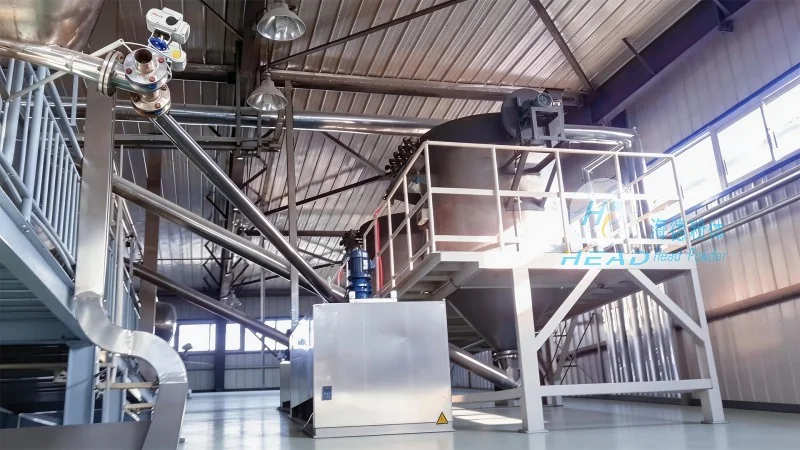
During operation, the control system continuously monitors key parameters, such as material level in the hopper, flow rate through the feeder, and conveyor speed. Any deviations from the set points are automatically adjusted to maintain stable operation. For example, if the material level in the hopper drops below a certain threshold, the system may trigger a signal to refill the hopper or adjust the feeder speed to prevent interruptions.
Working Principle of the Conveying Line
The working principle of a calcium hydroxide material conveying line is based on mechanical energy to move the material from one location to another. The feeder provides the initial force to move the material into the conveyor, which then uses rotational motion (in screw conveyors) or friction (in belt conveyors) to transport the material along the line. The design of the conveyor, including its inclination angle and speed, is critical to ensure that the material moves without excessive pressure or risk of blockage.
In screw conveyors, the rotating screw blade pushes the material forward, while the flights of the screw prevent the material from falling back. The speed of the screw and the pitch of the flights are optimized to match the material's flow characteristics. For belt conveyors, the material is carried by the moving belt, and the belt speed is adjusted to control the transport rate. The control system ensures that the conveyor operates at the optimal speed to maintain a steady flow of calcium hydroxide without causing excessive wear or energy consumption.
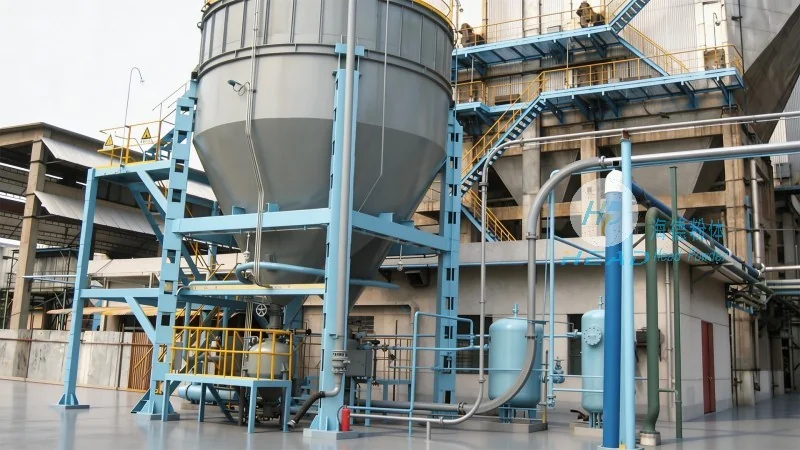
Engineering Considerations for Calcium Hydroxide Conveying
Designing an effective calcium hydroxide material conveying line requires careful consideration of several factors to ensure reliability and efficiency. These include:
- Material Properties: Calcium hydroxide is a fine powder with a relatively high moisture content and potential for caking. The conveying system must be designed to handle these properties, such as using anti-caking additives or maintaining proper moisture levels to prevent blockages.
- Corrosion Resistance: Calcium hydroxide can be slightly alkaline, which may cause corrosion in certain materials. The components of the conveying line, such as hoppers, feeders, and conveyors, are typically made of corrosion-resistant materials like stainless steel or special alloys to ensure long-term durability.
- Energy Efficiency: The conveyor system should be designed to minimize energy consumption while maintaining the required transport capacity. This may involve optimizing the conveyor speed, using efficient motors, and ensuring proper maintenance to prevent inefficiencies.
- Safety Measures: Due to the potential hazards associated with calcium hydroxide (e.g., dust inhalation, skin irritation), the conveying line is equipped with safety features such as dust collection systems, explosion-proof motors, and emergency stop buttons to protect operators and the environment.
About Shandong HeadPowder Engineering Co., Ltd.
Shandong HeadPowder Engineering Co., Ltd., operating under the brand name headpowder, is a leading manufacturer and supplier of industrial material handling solutions. With a focus on innovation and quality, the company specializes in designing and manufacturing calcium hydroxide material conveying lines tailored to the specific needs of various industries, including chemical processing, food processing, and pharmaceutical manufacturing.
Headpowder's engineering team leverages advanced technology and years of experience to develop customized conveying systems that meet the highest standards of performance, safety, and reliability. The company's facilities are located in Shandong, China, where it employs a skilled workforce dedicated to delivering superior products and services to clients worldwide.