

Operation Process and Working Principle of Synthetic Rubber Material Conveying Lines
HeadPowder, a leading engineering company based in Shandong, China, specializes in the design, manufacturing, and installation of advanced material handling systems. Among their portfolio is the synthetic rubber material conveying line, a critical component in the rubber processing industry. This article delves into the operation process and working principle of such systems, highlighting the key elements that ensure efficient and reliable material transport.

Introduction to Synthetic Rubber Material Conveying Lines
Synthetic rubber material conveying lines are engineered to transport various types of synthetic rubber materials, including but not limited to, latex, crumb rubber, and compounded rubber products. These systems are essential in manufacturing facilities where rubber is processed into final products like tires, seals, and industrial components. The design of these lines is tailored to handle the unique properties of synthetic rubber, such as its flexibility, elasticity, and potential for dust generation, ensuring that the material is moved safely and efficiently from one processing stage to another.
Working Principle of the Conveying System
The core working principle of a synthetic rubber material conveying line revolves around the use of mechanical components to move material through a series of stages. The system typically starts with a feeding mechanism, which may include hoppers or feeders that introduce the rubber material into the line. From there, the material is transported by a combination of conveyor belts, screw conveyors, or pneumatic systems, depending on the specific requirements of the application. The choice of conveyor type is critical, as it must accommodate the material's characteristics and the desired throughput. For instance, belt conveyors are often used for bulk material handling, while screw conveyors are suitable for more precise, controlled movement of rubber particles.
Key Components and Their Functions
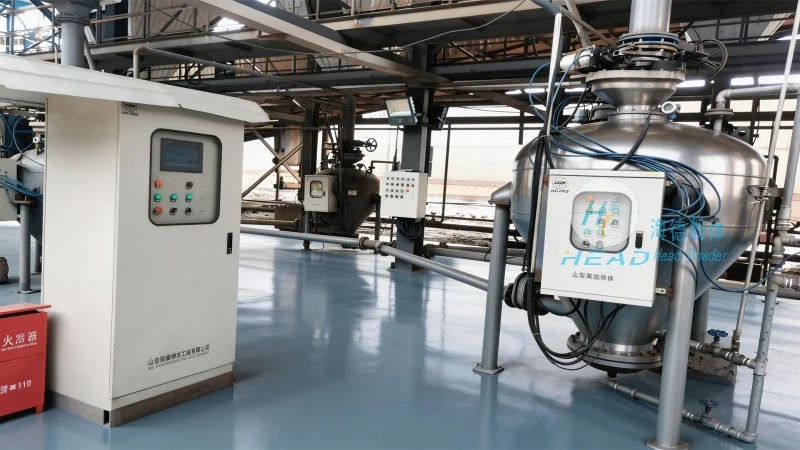
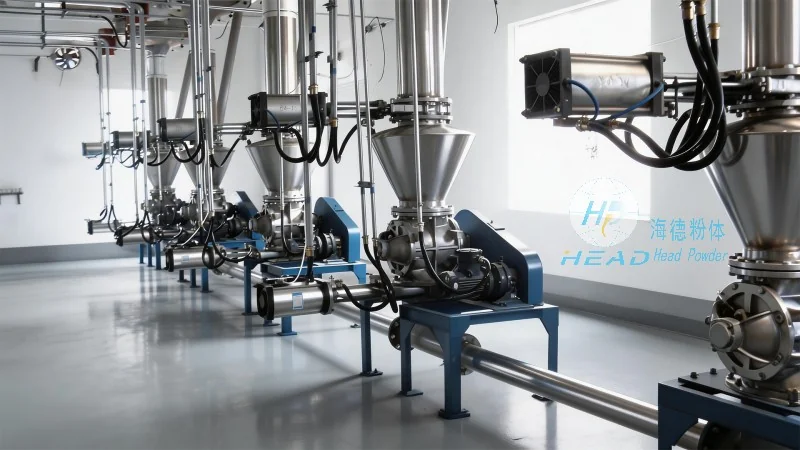
Several key components work in tandem to ensure the smooth operation of the synthetic rubber material conveying line. The feeding hopper is the first component, responsible for storing and regulating the flow of rubber material into the system. It is designed to prevent material buildup and ensure a consistent feed rate. The conveyor itself, whether a belt or screw, is the primary transport mechanism. It moves the material along the line, often at a controlled speed to maintain quality and prevent damage. In addition to the main conveyor, the system may include components like idlers, pulleys, or drive units that support the operation. For example, idlers provide support to the conveyor belt, while drive units (such as electric motors) power the movement. At the end of the line, a discharge mechanism, such as a chute or a receiving hopper, collects the material and directs it to the next processing stage.
Operational Process Flow
The operational process of a synthetic rubber material conveying line follows a sequential flow that ensures material is moved from the initial storage to the final processing point. The process begins with material loading into the feeding hopper. The hopper then releases the material into the conveyor, which transports it through the system. As the material moves, it may pass through additional components like screening or sorting mechanisms to ensure uniformity. The conveyor then delivers the material to the discharge point, where it is collected and prepared for the next step in the rubber processing workflow. This flow is designed to minimize downtime and maximize throughput, with each stage working in harmony to achieve the overall goal of efficient material handling.
Maintenance and Safety Considerations
Maintaining the synthetic rubber material conveying line is crucial for its longevity and performance. Regular maintenance includes checking the condition of conveyor belts, lubricating moving parts, and inspecting drive units for wear and tear. Additionally, the system should be cleaned regularly to prevent the buildup of rubber dust, which can affect the material's quality and pose safety hazards. Safety considerations are also paramount, as synthetic rubber materials can be slippery or generate dust that may cause respiratory issues. Proper safety measures, such as the use of personal protective equipment (PPE) and regular safety training for operators, are essential to ensure a safe working environment. By adhering to a regular maintenance schedule and following safety protocols, the conveying line can operate reliably and efficiently for extended periods.
Conclusion
In conclusion, the synthetic rubber material conveying line is a sophisticated system that plays a vital role in the rubber processing industry. Its operation is based on a combination of mechanical components and controlled processes designed to handle synthetic rubber materials efficiently. From the initial feeding stage to the final discharge, each component and step is critical to ensuring the material is transported safely and in optimal condition. Companies like Shandong HeadPowder Engineering Co., Ltd. specialize in designing and implementing these systems, providing tailored solutions that meet the specific needs of their clients. By understanding the operation process and working principle of such lines, manufacturers can enhance their production efficiency and maintain high-quality standards in their rubber products.