

Operation Process and Working Principle of Micro Sand Powder Material Handling
Micro sand powder material handling is a critical process in various industrial applications, particularly in construction, manufacturing, and environmental sectors. The efficient transportation of micro sand powder requires specialized equipment and systems designed to handle fine, abrasive particles while ensuring minimal loss and contamination. This article delves into the operation process and working principles of micro sand powder material handling, highlighting key components, operational steps, and the technical considerations that ensure optimal performance.
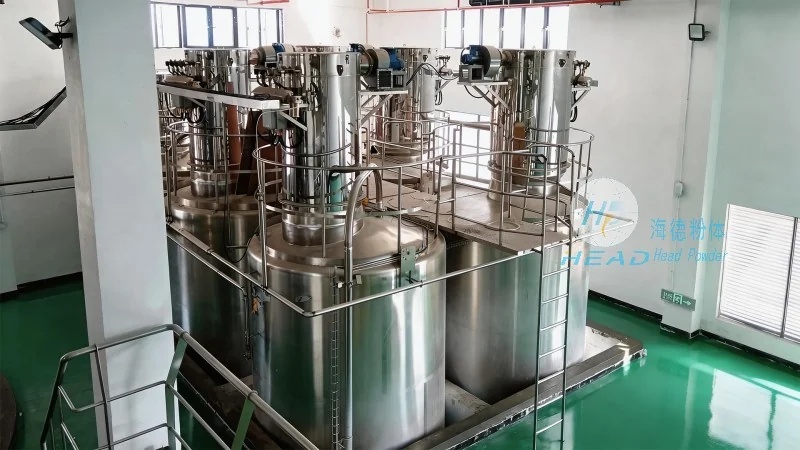
Overview of Micro Sand Powder Material Handling Systems
Micro sand powder material handling systems are engineered to transport fine sand particles, typically with particle sizes ranging from 0.1 to 0.5 millimeters. These systems are essential for applications such as concrete production, glass manufacturing, and water treatment, where consistent particle size and purity are paramount. The core components of a typical micro sand powder handling system include feeders, conveyors, storage silos, and control systems. Each component plays a vital role in the overall process, working in tandem to ensure smooth and reliable material flow.
Key Components and Their Functions
The performance of a micro sand powder handling system relies on several critical components, each designed to address specific challenges associated with fine powder transport. The feeders, often equipped with variable speed drives, regulate the flow rate of micro sand powder from storage silos to the conveyor system. This ensures a consistent and controlled feed, preventing overloading or underfeeding that could lead to system inefficiencies or equipment damage. The conveyors, commonly using pneumatic or mechanical systems, transport the powder through the process. Pneumatic conveyors use air pressure to move the particles, while mechanical conveyors rely on belts or screws to transfer material. The choice of conveyor type depends on factors such as particle size, moisture content, and the required distance of transport.
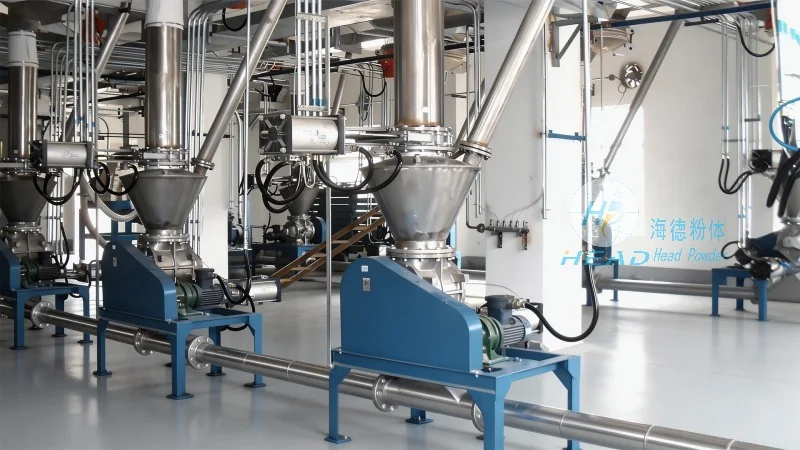
Operation Process: Step-by-Step Workflow
The operation process of micro sand powder material handling begins with the storage of raw materials in silos. The silos are designed to maintain the integrity of the powder, preventing caking or segregation. Once the material is ready for processing, the feeder activates, controlling the flow rate to the conveyor. The conveyor then transports the micro sand powder to the next stage of the process, such as mixing or packaging. At each stage, sensors and control systems monitor parameters like flow rate, pressure, and temperature to ensure the process remains within optimal operating conditions. Any deviations are automatically adjusted by the control system, maintaining consistent performance.
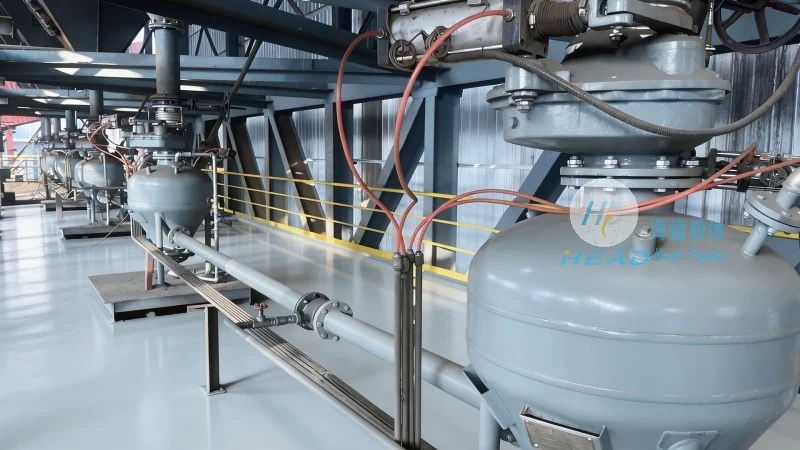
Working Principles: The Science Behind Efficient Transport
The working principles of micro sand powder material handling are rooted in fluid dynamics and particle mechanics. For pneumatic conveyors, the system creates a pressure differential to move the powder through a pipeline. The air velocity must be sufficient to lift and transport the particles without causing excessive wear on the system components. This requires precise control of air pressure and flow rate. In mechanical conveyors, the design of the conveyor belt or screw ensures that the particles are moved by friction and gravity. The angle of inclination and speed of the conveyor are critical factors that influence the efficiency of material transport. Additionally, the system incorporates dust collection and filtration to prevent particle loss and maintain air quality, which is essential for both operational safety and environmental compliance.
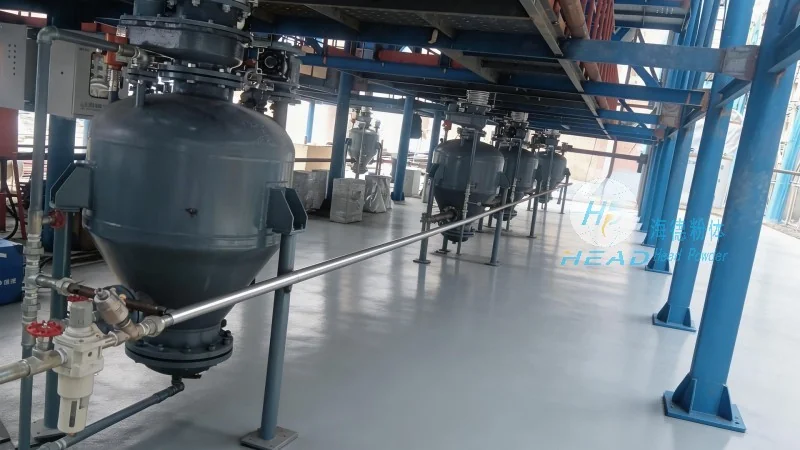
Technical Considerations for Optimal Performance
Several technical considerations are crucial for achieving optimal performance in micro sand powder material handling. First, the system must be designed to handle the abrasive nature of micro sand particles, which can cause wear on equipment components. This is addressed through the use of high-quality materials, such as stainless steel or special alloys, for conveyor components and silos. Second, the prevention of caking and segregation is vital to maintain consistent particle size distribution. This is achieved through proper silo design, including internal agitators or baffles, and regular maintenance to ensure smooth material flow. Third, the control system must be robust and responsive, capable of handling real-time data from sensors and making adjustments to maintain process stability. Advanced control systems, such as PLC (Programmable Logic Controllers), are commonly used to automate the process and enhance efficiency.
Applications and Industry Impact
Micro sand powder material handling systems are widely used in various industries, contributing to increased productivity and product quality. In the construction industry, the efficient transport of micro sand is essential for producing high-quality concrete, which is critical for infrastructure projects. In the manufacturing sector, consistent powder supply ensures uniform product quality, reducing waste and improving customer satisfaction. The environmental sector also benefits from these systems, as they enable the efficient handling of fine particles in water treatment processes, contributing to cleaner water and reduced pollution. The reliability and efficiency of micro sand powder handling systems directly impact the overall success of industrial operations, making them a critical investment for companies in these sectors.