

Operation Process and Working Principle of Broad Bean Material Conveying
Understanding the operation process and working principle of broad bean material conveying systems is crucial for optimizing agricultural processing and enhancing efficiency in handling these legumes. This article provides a detailed overview of the key components, operational steps, and technical aspects involved in the efficient transportation of broad beans, presented by Shandong HeadPowder Engineering Co., Ltd., a leading manufacturer in the field.
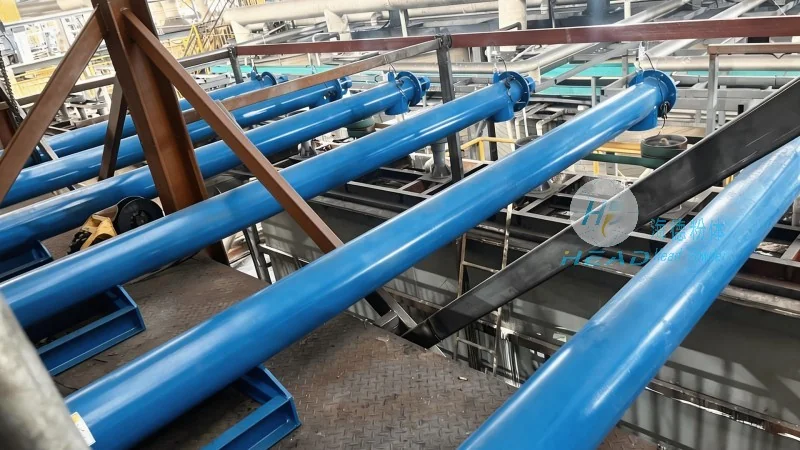
Overview of Broad Bean Material Conveying Systems
Broad bean material conveying systems are engineered to handle the unique characteristics of broad beans, such as their size, shape, and moisture content. These systems are typically integrated into larger agricultural processing lines, where they play a vital role in moving raw broad beans from storage or harvesting areas to subsequent processing stages like cleaning, sorting, and packaging. The design of these systems often incorporates specialized components to ensure minimal damage to the beans while maintaining high throughput rates.
Key Components of the Conveying System
The broad bean material conveying system consists of several critical components that work in tandem to facilitate smooth material movement. These include feed hoppers, conveyor belts or chains, drive mechanisms, control panels, and sometimes additional equipment like elevators or sorters. Each component is carefully selected to meet the specific demands of broad bean handling, ensuring durability and efficiency. For instance, the feed hopper is designed to evenly distribute the beans into the conveyor, while the drive system provides the necessary power to move the material through the system. The control panel allows operators to monitor and adjust the speed and direction of the conveyor, adapting to varying production volumes.
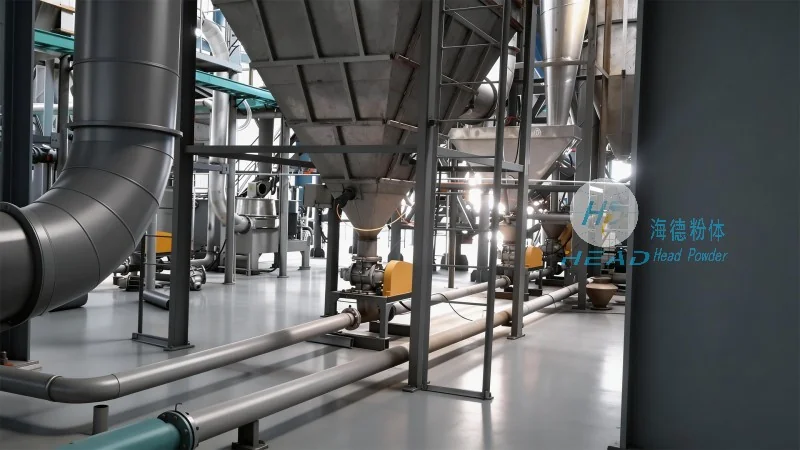
Operation Process of the Material Conveying System
The operation process of the broad bean material conveying system begins with the loading of raw broad beans into the feed hopper. The beans then fall onto the conveyor belt or chain, which transports them to the next processing stage. The speed of the conveyor is controlled based on the desired throughput rate, ensuring that the beans are moved at an optimal pace without causing congestion or damage. As the beans travel along the conveyor, they may pass through additional components such as cleaning screens or magnetic separators, which remove impurities and foreign objects before the beans proceed to sorting or packaging. The system is designed to handle a wide range of bean sizes and moisture levels, making it versatile for different processing needs.
Working Principle of the Conveying Mechanism
The working principle of the broad bean material conveying system is based on mechanical motion, typically powered by electric motors. The drive mechanism, which may include gears, pulleys, or direct drive systems, rotates the conveyor belt or chain, creating a continuous loop that moves the beans forward. The control system monitors the speed and position of the conveyor, adjusting the motor output as needed to maintain consistent operation. This mechanical process ensures that the beans are transported efficiently and safely, minimizing the risk of breakage or loss during handling. The system's design also incorporates safety features, such as emergency stop buttons and overload protection, to prevent accidents and ensure smooth operation.
Efficiency and Performance Considerations
Efficiency is a key consideration in the design and operation of broad bean material conveying systems. Factors such as conveyor speed, belt tension, and hopper design all contribute to the overall performance of the system. Proper maintenance, including regular cleaning of the conveyor and replacement of worn parts, is essential to maintain optimal efficiency and prevent downtime. Additionally, the system's ability to handle varying loads and bean characteristics makes it a reliable choice for agricultural processing facilities. By optimizing these factors, manufacturers like Shandong HeadPowder Engineering Co., Ltd. ensure that their conveying systems deliver consistent performance and contribute to the overall productivity of the processing line.
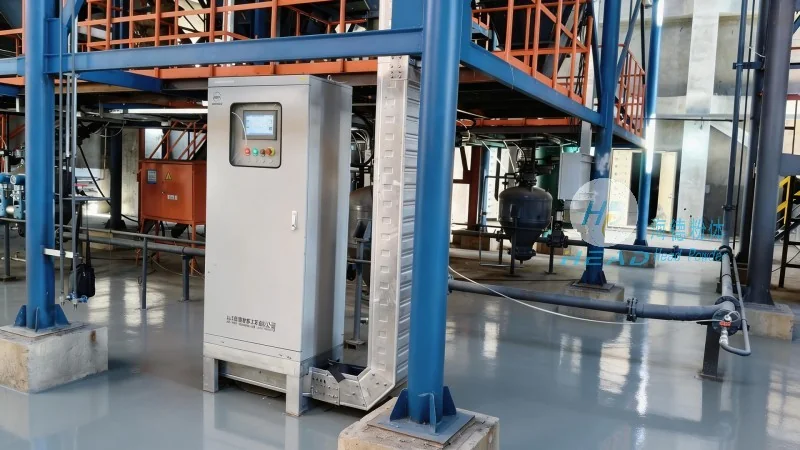
Application in Agricultural Processing
Broad bean material conveying systems are widely used in agricultural processing facilities to streamline the handling of broad beans. These systems are particularly valuable in large-scale operations where high throughput is required. The ability to efficiently move large quantities of beans from storage to processing stages reduces labor costs and improves overall productivity. Additionally, the systems help maintain the quality of the beans by minimizing handling time and reducing the risk of damage. This is especially important for broad beans, which are often used in food products where quality and freshness are critical. The integration of these conveying systems into larger processing lines ensures a seamless flow of materials, from raw beans to finished products.
Conclusion
In conclusion, the operation process and working principle of broad bean material conveying systems are essential for efficient agricultural processing. These systems, manufactured by Shandong HeadPowder Engineering Co., Ltd., incorporate advanced design and engineering to handle the unique characteristics of broad beans while ensuring high efficiency and reliability. By understanding the key components, operational steps, and technical aspects of these systems, agricultural processing facilities can optimize their operations and improve overall productivity. The continued development and refinement of such systems will play a vital role in meeting the growing demand for broad bean products in the global market.