

Operation Process and Working Principle of Yellow Sand Material Conveying
Yellow sand material conveying systems are pivotal in various industrial sectors, including construction, mining, and manufacturing. These systems are engineered to efficiently transport loose materials like yellow sand, ensuring seamless and continuous operation. The process involves a series of interconnected components and mechanisms that work together to achieve optimal material handling. Understanding the operation process and working principle is essential for maintaining system efficiency, reliability, and longevity.
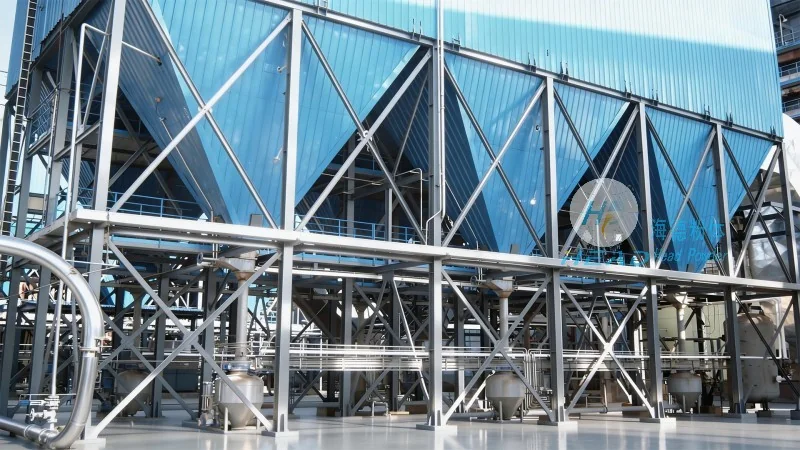
Key Components of the Conveying System
The yellow sand material conveying system comprises several critical components, each with a specific function. The feed hopper, typically constructed from durable metal or corrosion-resistant plastic, serves as the primary inlet for yellow sand. Its design ensures a uniform flow of material into the conveyor, preventing blockages and maintaining consistent feed rates. The conveyor mechanism, which can be either a belt conveyor or a screw conveyor, is the core of the system. For belt conveyors, a wide, flexible belt (often rubber or PVC-coated) moves the sand along a frame, supported by rollers or idlers. The screw conveyor utilizes a rotating helical screw inside a tube to push the sand forward. The drive system, usually an electric motor connected to a gearbox or direct drive, provides the necessary torque to move the material. The motor's speed can be adjusted via a variable frequency drive (VFD) to control the conveyor speed. The control panel, equipped with digital displays, buttons, and sensors, allows operators to monitor system parameters, adjust settings, and receive alerts for maintenance or operational issues. The discharge outlet, located at the end of the conveyor, is designed to release the processed yellow sand safely and efficiently, often with a chute or valve to control the flow.
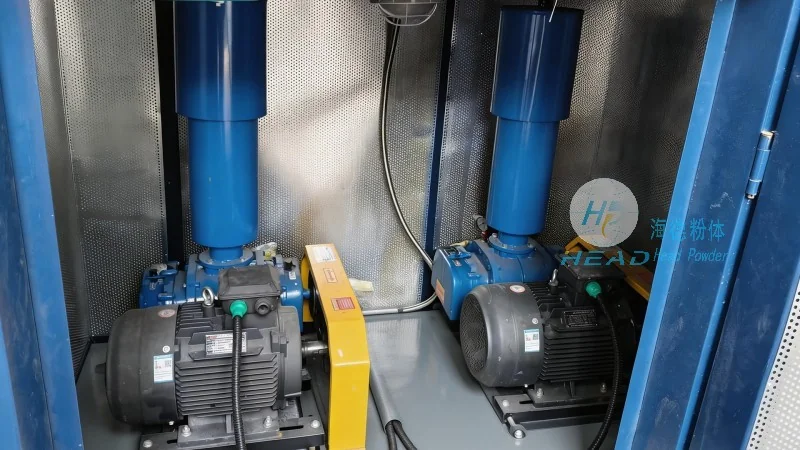
Working Principle of Material Transport
The working principle of the yellow sand material conveying system is based on mechanical energy transfer and gravitational force. When the feed hopper is filled with yellow sand, the material falls into the conveyor mechanism. For belt conveyors, the sand rests on the moving belt, which is driven by the motor. The belt's motion pulls the sand forward, transporting it to the discharge end. In screw conveyors, a rotating screw or auger pushes the sand through the pipe, utilizing the screw's helical design to move the material. The speed of the conveyor and the angle of the incline are carefully controlled to ensure the sand moves without excessive friction or spillage. The system's design minimizes energy loss and maximizes material throughput, making it suitable for high-volume transport tasks. The gravitational force of the sand also aids in the transport process, as the incline of the conveyor helps the material move downward toward the discharge point.
Operation Process: Step-by-Step Overview
The operation process of the yellow sand material conveying system involves a series of sequential steps that ensure efficient material handling. First, the system is initialized by activating the control panel, which starts the motor and sets the conveyor speed. Next, the feed hopper is filled with yellow sand, and the material begins to flow into the conveyor. As the sand enters the system, it is transported along the conveyor belt or screw, moving towards the discharge outlet. The control panel continuously monitors the flow rate and adjusts the speed as needed to maintain a steady output. During operation, operators may need to adjust the feed rate or conveyor speed to accommodate changes in demand or material characteristics. The system operates continuously until the feed hopper is emptied or the material supply is interrupted. At this point, the system can be stopped and the conveyor cleaned or maintained as required. Regular maintenance, such as checking the motor, belt tension, and screw condition, is essential to prevent breakdowns and ensure consistent performance.
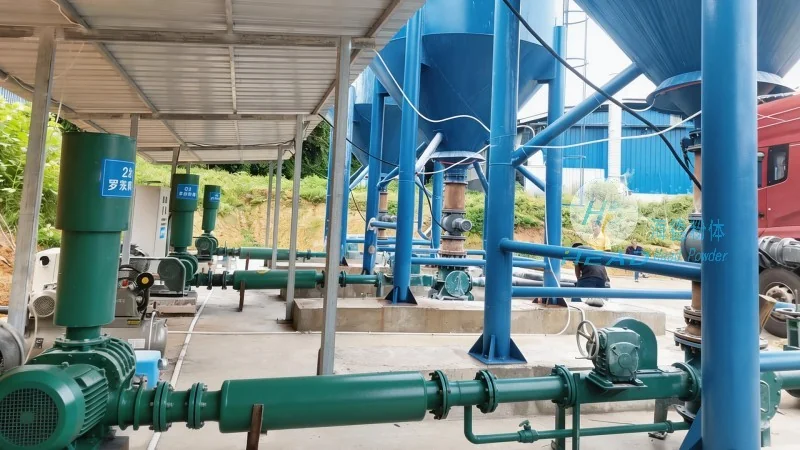
Efficiency and Maintenance Considerations
Efficiency in yellow sand material conveying systems is achieved through proper design, regular maintenance, and optimal operation. The system's efficiency is influenced by factors such as the conveyor speed, material properties, and system layout. Regular maintenance, including checking the motor, belt tension, and screw condition, is crucial to prevent breakdowns and ensure consistent performance. Proper lubrication of moving parts and cleaning of the hopper and conveyor can also enhance efficiency and extend the system's lifespan. Additionally, monitoring the flow rate and material quality helps identify potential issues early, allowing for timely adjustments or repairs. By adhering to these practices, the conveying system can maintain high efficiency and reliability, minimizing downtime and maximizing productivity. The use of high-quality components and materials further contributes to the system's durability and long-term performance.