

Operation Process and Working Principle of Phosphorus Pentoxide Powder Conveying
The operation of phosphorus pentoxide (P₂O₅) powder conveying systems is a critical aspect of industrial material handling, especially in applications involving this highly reactive and hygroscopic substance. As a key component in various chemical processes, the efficient and safe transport of P₂O₅ powder is essential for maintaining production efficiency and ensuring product quality. This article provides a detailed overview of the operation process and working principles of such systems, focusing on the technical aspects and operational considerations.

Understanding the Technical Foundations of P₂O₅ Powder Conveying
Phosphorus pentoxide is known for its strong affinity for water, making it highly hygroscopic and reactive. Consequently, the design and operation of powder conveying systems for P₂O₅ must prioritize safety, material integrity, and process reliability. The systems typically involve specialized equipment to handle the powder's properties, such as its tendency to clump or agglomerate when exposed to moisture or air.
The Step-by-Step Operation Process
The operation process of P₂O₅ powder conveying systems generally follows a series of steps to ensure smooth and continuous material transport. The first step involves the preparation of the powder, which may include drying or conditioning to remove moisture and prevent agglomeration. This is often done using drying equipment or pre-treatment units to ensure the powder is in a suitable state for conveying.
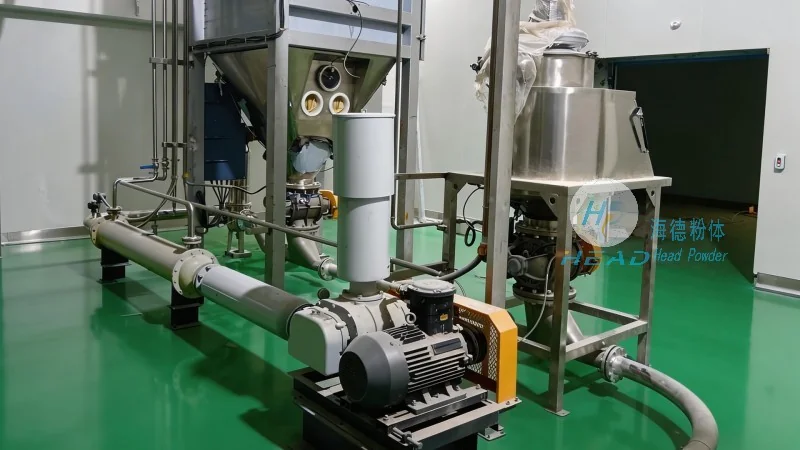
Next, the powder is fed into the conveying system, which may use various methods such as pneumatic conveying, mechanical screw conveyors, or pneumatic-screw hybrid systems. Pneumatic conveying is commonly used for P₂O₅ due to its ability to handle fine powders and minimize material contact with equipment, reducing the risk of contamination or degradation. The system typically consists of a hopper, a feeder, a conveying line, and a receiver.
Working Principles of Pneumatic Conveying
The working principle of pneumatic conveying for P₂O₅ involves the use of compressed air to transport the powder particles through a pipeline. The powder is introduced into the conveying line via a feeder, and the compressed air creates a flow that lifts and moves the powder. The velocity and pressure of the air are carefully controlled to ensure the powder is transported without excessive pressure drops or particle degradation. The system may use positive pressure or negative pressure (vacuum) depending on the application and distance of transport.
Alternative Mechanical Conveying Methods
Mechanical screw conveyors are another option for P₂O₅ powder conveying, particularly for shorter distances or when the powder is less sensitive to air exposure. These systems use rotating screws to push the powder through a closed tube, ensuring a continuous and controlled flow. The design of the screw and the tube material is critical to prevent material buildup or corrosion, as P₂O₅ can be corrosive to certain metals.
System Accessories and Material Management
In addition to the conveying equipment, the system may include accessories such as filters, cyclones, and dust collectors to manage the powder and air mixture. These components help to separate the powder from the air, ensuring that the material is delivered to the destination without loss or contamination. The filters and cyclones are designed to handle the fine particles of P₂O₅, which can be challenging due to their small size and high reactivity.
Monitoring and Control Systems
The operation process also involves monitoring and control systems to ensure the system runs efficiently and safely. Sensors and controls are used to monitor parameters such as pressure, flow rate, and temperature, allowing operators to adjust the system as needed. This helps to maintain consistent performance and prevent issues such as blockages or overloading.
Safety Considerations in P₂O₅ Conveying
Safety is a paramount consideration in the operation of P₂O₅ powder conveying systems due to the material's reactivity and potential hazards. Proper ventilation, explosion-proof equipment, and emergency shutdown systems are essential to protect personnel and equipment. The systems are designed to minimize the risk of dust explosions and ensure that any leaks or spills are contained and handled safely.
Integrated Working Principle of the System
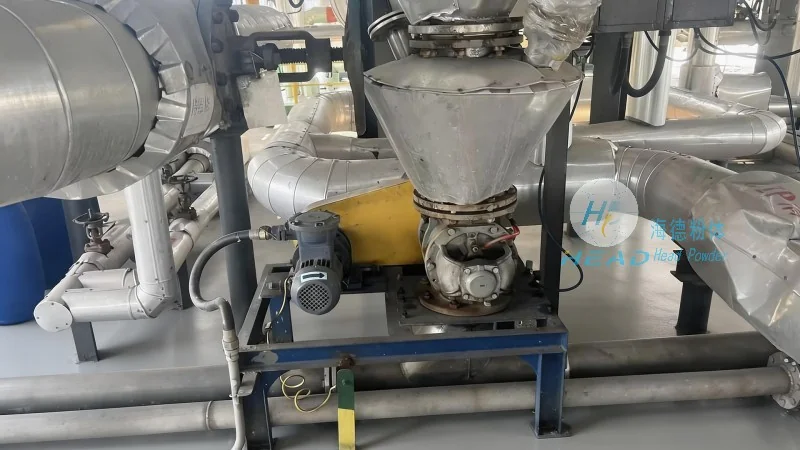
The working principle of the entire system is based on the combination of mechanical and pneumatic forces to transport the powder. The feeder controls the rate of powder input, while the conveying equipment moves the material to the destination. The control system ensures that the flow is consistent and that the system operates within safe parameters. This integrated approach ensures that the P₂O₅ powder is transported efficiently and safely, meeting the requirements of industrial applications.
Shandong HeadPowder Engineering Co., Ltd.: Expertise in P₂O₅ Conveying Solutions
Shandong HeadPowder Engineering Co., Ltd. specializes in the design, manufacturing, and installation of phosphorus pentoxide powder conveying systems. With years of experience in the industry, the company provides customized solutions tailored to the specific needs of clients. The company's expertise in handling reactive and hygroscopic materials ensures that the systems are designed to meet the highest standards of safety and efficiency.
The company's facilities are located in Shandong, China, and they employ a team of skilled engineers and technicians who are dedicated to providing quality products and services. HeadPowder's commitment to innovation and customer satisfaction has made them a trusted partner in the chemical processing industry. By leveraging advanced technology and rigorous testing, the company ensures that their conveying systems are reliable and durable, providing long-term value to their clients.
Conclusion: Ensuring Efficient and Safe P₂O₅ Powder Transport
In conclusion, the operation process and working principle of phosphorus pentoxide powder conveying systems involve a combination of specialized equipment, careful control, and safety measures. The systems are designed to handle the unique properties of P₂O₅, ensuring efficient and safe transport. Companies like Shandong HeadPowder Engineering Co., Ltd. play a crucial role in providing these systems, helping to meet the demands of industrial applications while maintaining the highest standards of safety and performance.