

Operation Process and Working Principle of Automatic Powder Handling Systems
Shandong HeadPowder Engineering Co., Ltd., a leading enterprise in the powder handling industry, specializes in the design, manufacturing, and integration of advanced automatic powder transport systems. With a focus on precision, efficiency, and reliability, the company has established itself as a trusted provider of solutions tailored to diverse industrial applications. The following content provides a detailed overview of the operation process and working principle of these systems, highlighting key components, operational sequences, and the underlying mechanisms that ensure seamless powder handling.
System Overview and Core Components
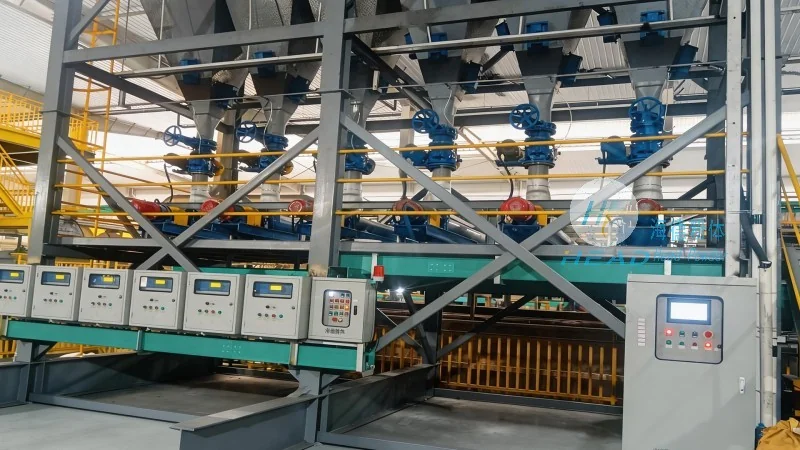
Automatic powder handling systems, as offered by Shandong HeadPowder Engineering Co., Ltd., are sophisticated industrial solutions engineered to automate the movement, storage, and processing of bulk powders. These systems typically consist of several integrated components, each playing a critical role in the overall operation. The primary components include a hopper or silo for powder storage, a feeder (such as a rotary valve or screw feeder) to control the flow rate, a conveyor system (like a pneumatic or mechanical conveyor) for transporting the powder, and a control panel equipped with sensors and automation software. Additionally, the system may incorporate dust collection and filtration units to ensure environmental compliance and operational safety. The design of these components is optimized to handle various powder characteristics, including different particle sizes, densities, and flow properties, ensuring compatibility with a wide range of industrial processes.
Initial Setup and Pre-Operation Checks
Before initiating the operation of an automatic powder handling system, a series of pre-operation checks and setup procedures are essential to ensure safe and efficient performance. The process begins with verifying the integrity of all system components, including checking for any signs of wear or damage to the hopper, feeder, and conveyor. The control panel is then configured according to the specific requirements of the application, such as setting the desired flow rate, pressure levels, or temperature parameters. Sensor calibration is performed to ensure accurate detection of powder levels, flow rates, and any potential blockages or overfill conditions. Additionally, the system undergoes a thorough safety check, including verification of emergency stop mechanisms, interlocks, and dust extraction systems. These pre-operation steps are critical to prevent operational failures, equipment damage, or safety hazards, and they form the foundation for a smooth start-up process.
System Start-Up and Initial Flow Activation
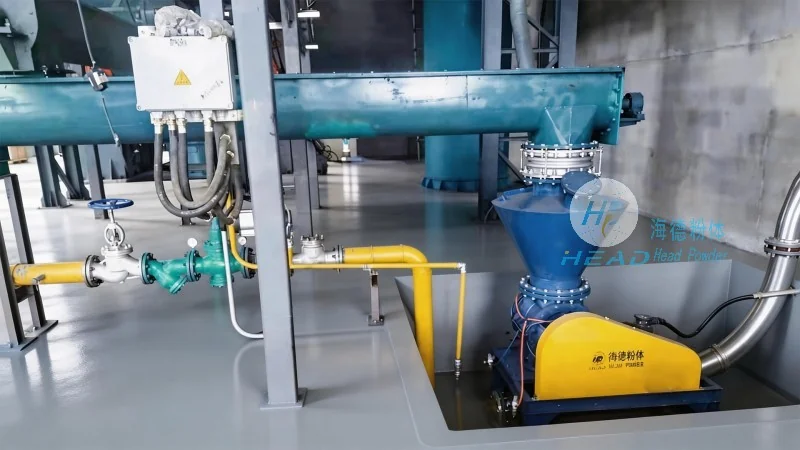
The start-up sequence of an automatic powder handling system involves a systematic activation of each component in the correct order. The process typically begins with the activation of the hopper or silo, which may include pre-pressurization or vibration to ensure the powder is properly settled and ready for transport. Following this, the feeder is activated to control the initial flow of powder into the conveyor system. The control panel monitors the flow rate and adjusts the feeder speed as needed to maintain a consistent and stable flow. Simultaneously, the conveyor system is started, either by a pneumatic blower or mechanical drive, to transport the powder from the feeder to the discharge point. During this initial phase, the system's sensors continuously monitor key parameters, such as powder level in the hopper, flow rate, and pressure, to ensure that the operation is proceeding as expected. Any deviations from the set parameters are immediately detected and corrected by the automation software, preventing potential issues before they escalate.
Continuous Operation and Flow Regulation
Once the system is fully operational, it enters a continuous mode of operation, where the powder is transported at a steady rate as per the pre-configured settings. The feeder and conveyor work in tandem to maintain a consistent flow, with the control panel continuously adjusting the feeder speed to compensate for any changes in powder characteristics or system load. The system's sensors play a vital role in maintaining this stability, providing real-time data on flow rates, pressure, and level to the automation software. This data is used to dynamically adjust the system parameters, ensuring that the powder is transported efficiently and without any interruptions. For example, if the powder level in the hopper decreases, the system may automatically adjust the feeder speed to maintain the desired flow rate. Similarly, if a blockage is detected in the conveyor, the system may pause the feeder and alert the operator, allowing for immediate intervention to resolve the issue. This continuous regulation ensures that the system operates reliably and efficiently over extended periods, minimizing downtime and maximizing productivity.
Control Mechanisms and Automation Features
The operation of an automatic powder handling system relies heavily on advanced control mechanisms and automation features to ensure precision, safety, and efficiency. The control panel, equipped with a user-friendly interface, allows operators to monitor and adjust system parameters in real-time. Sensors, including level sensors, flow meters, pressure sensors, and position sensors, provide critical data to the automation software, which processes this information to make intelligent decisions. The system may incorporate programmable logic controllers (PLCs) or industrial computers to execute complex control algorithms, such as PID (Proportional-Integral-Derivative) control, to maintain optimal performance. Additionally, the system may include safety features like emergency stop buttons, interlocks, and automatic shutdown protocols to prevent accidents and protect personnel and equipment. The automation software may also include diagnostic tools to monitor system health, detect potential failures, and provide alerts to the operator, enabling proactive maintenance and reducing the risk of unexpected downtime. These control mechanisms work together to ensure that the system operates smoothly and reliably, even under varying conditions or changing process requirements.
System Shutdown and Maintenance Procedures
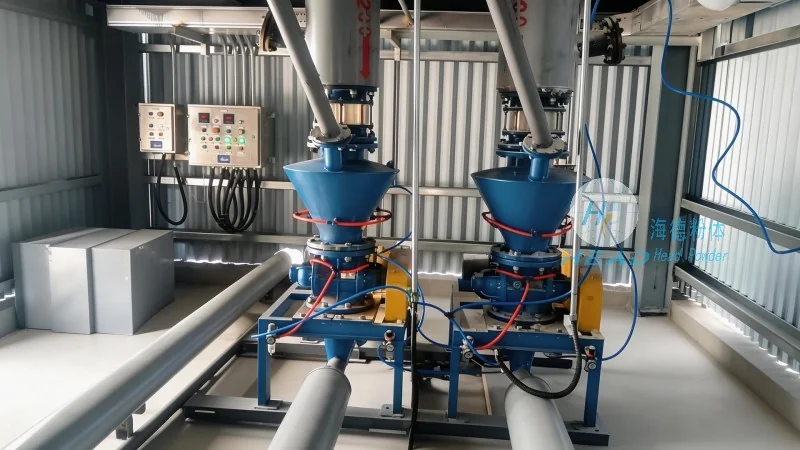
When the operation of an automatic powder handling system is complete, a systematic shutdown procedure is followed to ensure the safe and proper termination of the process. The shutdown sequence typically begins with stopping the conveyor system, followed by the feeder and then the hopper or silo. The control panel is then reset to its default settings, and all sensors are checked to ensure they are functioning correctly. The system may also undergo a thorough cleaning process to remove any residual powder from the hopper, feeder, and conveyor, preventing contamination and ensuring that the system is ready for the next operation. Maintenance procedures are also performed during this phase, including checking for wear and tear on components, lubricating moving parts, and replacing any worn-out parts. Regular maintenance is crucial to ensure the long-term reliability and performance of the system, as it helps to prevent equipment failures, extend the lifespan of components, and maintain operational efficiency. By following a structured shutdown and maintenance routine, the system can be kept in optimal condition, minimizing the risk of operational issues and maximizing its service life.
Environmental and Safety Considerations
Automatic powder handling systems, as designed by Shandong HeadPowder Engineering Co., Ltd., incorporate several features to address environmental and safety considerations. The system includes dust collection and filtration units to capture and remove airborne particles, ensuring compliance with environmental regulations and maintaining a safe working environment. The control panel is equipped with safety interlocks that prevent the system from operating under unsafe conditions, such as when the hopper is empty or when there is a blockage in the conveyor. Emergency stop mechanisms are also integrated into the system, allowing operators to quickly halt the operation in case of an emergency. Additionally, the system may include monitoring systems to detect any potential hazards, such as overpressure or overheating, and trigger appropriate safety actions. These environmental and safety features are essential to ensure that the system operates in a responsible and compliant manner, protecting both the environment and the personnel involved in the operation.
Conclusion: The Role of Automatic Powder Handling Systems in Modern Industry
In conclusion, automatic powder handling systems are critical components in modern industrial processes, enabling efficient and reliable transportation of bulk powders. The operation process and working principle of these systems, as detailed above, involve a series of integrated steps and mechanisms that work together to ensure seamless performance. From initial setup and start-up to continuous operation and maintenance, each phase is carefully designed to optimize efficiency, safety, and reliability. The advanced control mechanisms and automation features incorporated into these systems allow for precise regulation of powder flow, ensuring that the system can adapt to varying process requirements. By adhering to rigorous safety and environmental standards, these systems contribute to the overall productivity and sustainability of industrial operations. As a leading provider of such systems, Shandong HeadPowder Engineering Co., Ltd. continues to innovate and improve its solutions, meeting the evolving needs of the industry and providing reliable, high-performance powder handling solutions to its clients.