

Operation Process and Working Principle of Foam Plastic Powder Conveying
At Shandong HeadPowder Engineering Co., Ltd., we specialize in the design and implementation of efficient foam plastic powder conveying systems. These systems are crucial for industries dealing with lightweight, low-density materials such as expanded polystyrene (EPS), polyurethane (PU) foams, and other similar powders. The effective handling of foam plastic powders requires specialized equipment and methodologies to ensure smooth operation, minimize material loss, and maintain product integrity.
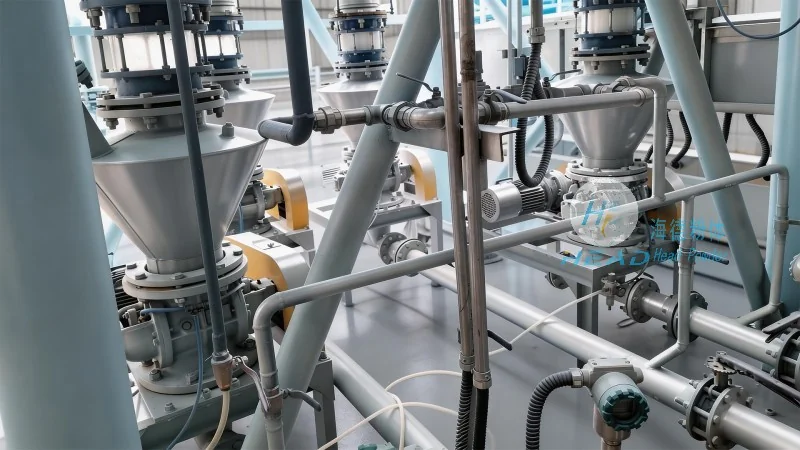
Key Components of Foam Plastic Powder Conveying Systems
The core components of a foam plastic powder conveying system typically include a hopper for material storage, a feeder to control the flow rate, a conveying line (often using pneumatic or mechanical methods), and a discharge unit. For foam plastic powders, which are light and prone to dusting, the selection of components is critical. For instance, the hopper may be equipped with a venting system to manage air pressure and prevent material bridging. The feeder, such as a rotary valve or a screw feeder, is chosen based on the material's flow characteristics. In pneumatic conveying, a blower or compressor provides the necessary air pressure to transport the powder through the pipeline. The conveying line is usually made of flexible or rigid tubing, depending on the system design, and may include bends, filters, and pressure relief valves to ensure stable flow.
Operation Process of Foam Plastic Powder Conveying
The operation process of foam plastic powder conveying begins with material loading into the hopper. The material is then fed into the conveying line through the feeder. In pneumatic systems, the blower generates a high-pressure air stream that lifts the powder particles and carries them through the pipeline. The air and powder mixture travels to the discharge point, where the powder is separated from the air using a cyclone or filter. The separated powder is collected in a receiving container, while the air is either recirculated or vented to the atmosphere. The entire process is controlled by a programmable logic controller (PLC) or a control panel that monitors pressure, flow rate, and other parameters to maintain optimal performance.
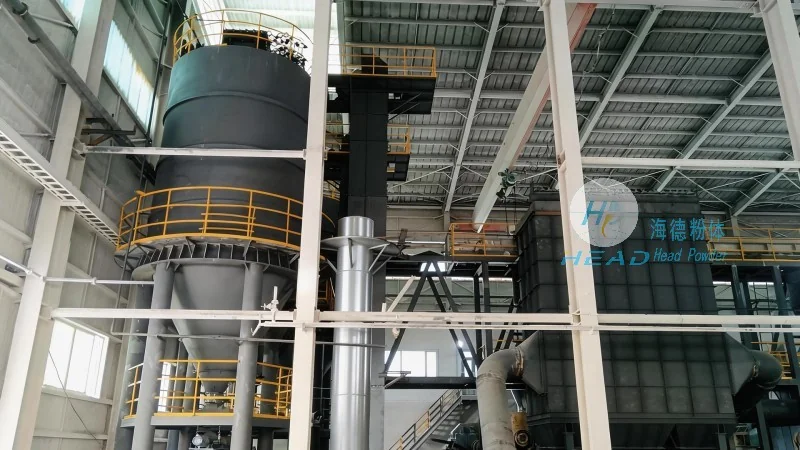
Working Principle of Foam Plastic Powder Conveying
The working principle of foam plastic powder conveying is based on the principle of fluidization and pneumatic transport. Foam plastic powders are typically low-density materials, and their handling is challenging due to their light weight and tendency to form dust clouds. Pneumatic conveying systems use compressed air to create a fluidized bed of powder, which allows the material to be transported as a slurry of air and powder. The air velocity in the pipeline must be sufficient to overcome the gravitational force acting on the powder particles and to maintain a stable flow. The pressure drop along the conveying line is a key factor in determining the system's efficiency. Proper design of the conveying line, including the use of appropriate pipe diameters and bends, minimizes pressure losses and ensures consistent flow. Additionally, the system may include features such as air filtration to prevent dust contamination and material separation to recover the powder efficiently.
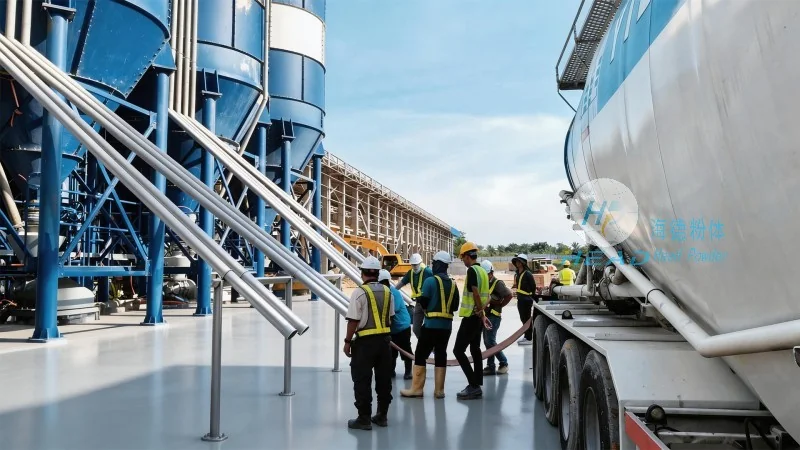
Advantages of Foam Plastic Powder Conveying Systems
Conveying foam plastic powders using specialized systems offers several advantages over traditional methods like manual handling or bucket elevators. First, it significantly reduces material loss and dust generation, which is critical for maintaining product quality and compliance with environmental regulations. Second, the automated process improves operational efficiency and reduces labor costs. Third, the system can handle large volumes of material with consistent flow rates, ensuring smooth production processes. Fourth, the modular design allows for easy integration with existing production lines and scalability as production needs change. These advantages make foam plastic powder conveying systems an essential component for manufacturers in the packaging, construction, and automotive industries.
Application Examples in Industry
Foam plastic powder conveying systems are widely used in various industries. In the packaging industry, expanded polystyrene (EPS) foam is used for packaging materials, and the conveying system ensures efficient transport from storage to molding machines. In the construction industry, polyurethane (PU) foams are used for insulation and cushioning, and the system facilitates the delivery of these lightweight materials to spray equipment. In the automotive industry, foam plastics are used for interior components and sound insulation, and the conveying system ensures consistent supply to manufacturing lines. These applications highlight the importance of reliable foam plastic powder conveying systems in maintaining production efficiency and product quality.