

Operation Process and Working Principle of Positive Pressure Powder Handling
Positive pressure powder handling systems are widely used in various industrial applications to transport bulk materials efficiently and safely. This article provides a detailed overview of the operation process and working principles of such systems, focusing on the key components, operational steps, and the underlying mechanisms that ensure reliable material transport. The information is presented by Shandong HeadPowder Engineering Co., Ltd., a leading provider of advanced powder handling solutions based in Shandong, China.
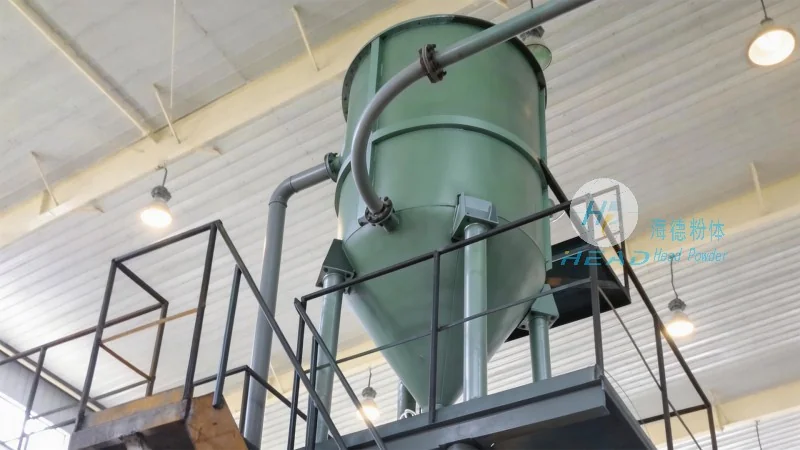
Introduction to Positive Pressure Powder Handling
Positive pressure powder handling, also known as pneumatic conveying, utilizes compressed air or other gases to move powders and bulk solids through a pipeline system. Unlike suction systems that rely on negative pressure, positive pressure systems generate pressure within the conveying line, pushing the material forward. This method is particularly effective for transporting materials over long distances, handling abrasive or corrosive powders, and maintaining a closed system to prevent contamination and dust emissions.
Key Components of a Positive Pressure Powder Handling System
The core components of a positive pressure powder handling system include the material feed hopper, conveyor line, air compressor, dust collector, and control system. Each component plays a critical role in the overall operation. The material feed hopper stores the bulk material and feeds it into the conveyor line at a controlled rate. The conveyor line, typically made of stainless steel or other corrosion-resistant materials, transports the material from the feed point to the discharge point. The air compressor generates the necessary pressure to move the material through the line. The dust collector removes any fine particles that may escape from the system, ensuring environmental compliance and system cleanliness. The control system monitors and regulates the flow of material and air, maintaining optimal operating conditions.
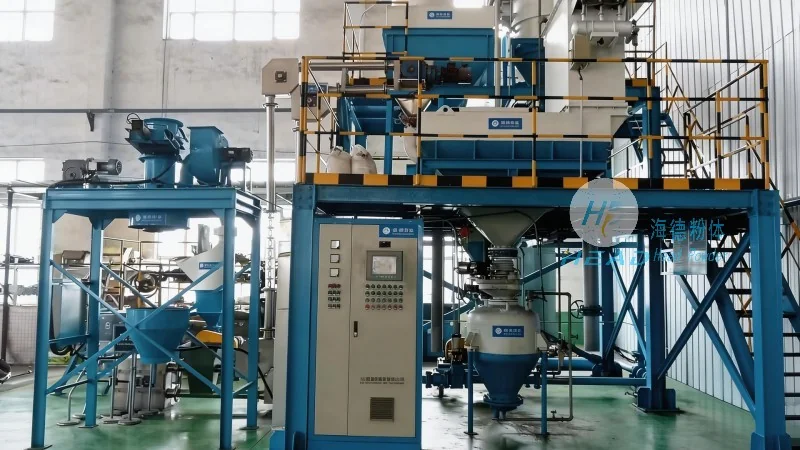
Working Principle of Positive Pressure Powder Handling
The operation of a positive pressure powder handling system begins with the material being fed into the conveyor line from the hopper. As the material enters the line, compressed air is introduced from the air compressor. The air and material are mixed in a ratio that ensures the material is fully suspended and transported efficiently. The pressure in the line is maintained above atmospheric pressure, which prevents backflow and ensures the material moves in the desired direction. The system operates by creating a pressure differential between the feed and discharge points, with the higher pressure at the feed end pushing the material toward the discharge end. The speed and pressure of the air are carefully controlled to match the characteristics of the material being conveyed, such as particle size, density, and flowability.
Operation Process of Positive Pressure Powder Handling
The operation process of a positive pressure powder handling system involves several sequential steps. First, the material is loaded into the feed hopper. The hopper is equipped with a gate or valve that controls the flow rate of the material into the conveyor line. Next, the air compressor is started, and compressed air is supplied to the system. The air pressure is adjusted to the appropriate level based on the material properties and conveying distance. As the material is fed into the line, it is mixed with the compressed air, creating a slurry-like mixture that moves through the pipeline. The mixture travels from the feed point to the discharge point, where it is separated from the air. The separated material is collected in a discharge hopper or container, while the air is directed to the dust collector for filtration. The control system continuously monitors the pressure, flow rate, and material level, making adjustments as needed to maintain stable operation. The entire process is automated, allowing for consistent and reliable material transport without manual intervention.
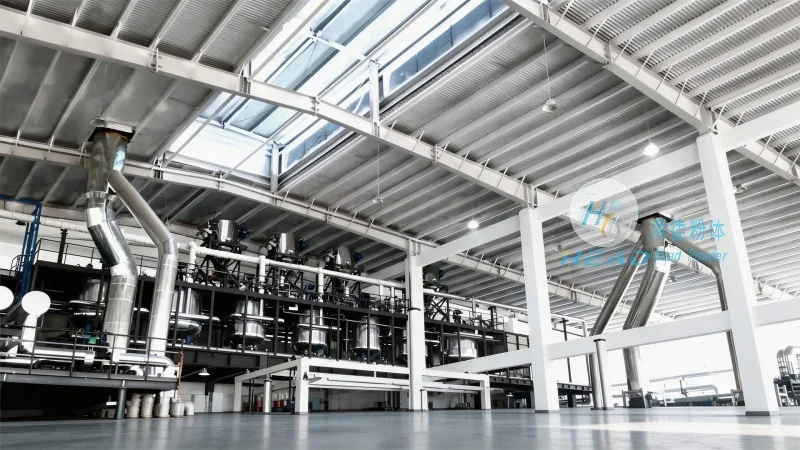
Advantages of Positive Pressure Powder Handling
Positive pressure powder handling systems offer several advantages over other material transport methods. One of the primary benefits is the ability to transport materials over long distances with minimal loss. The closed system design prevents dust contamination and environmental pollution, making it suitable for applications where hygiene and safety are critical. The system is also capable of handling a wide range of materials, including abrasive, corrosive, and fine powders, without causing wear or damage to the equipment. Additionally, positive pressure systems are relatively simple to install and maintain, with fewer moving parts compared to other conveying methods. The operational flexibility allows for easy adjustment of conveying rates and distances, making them adaptable to changing production needs.
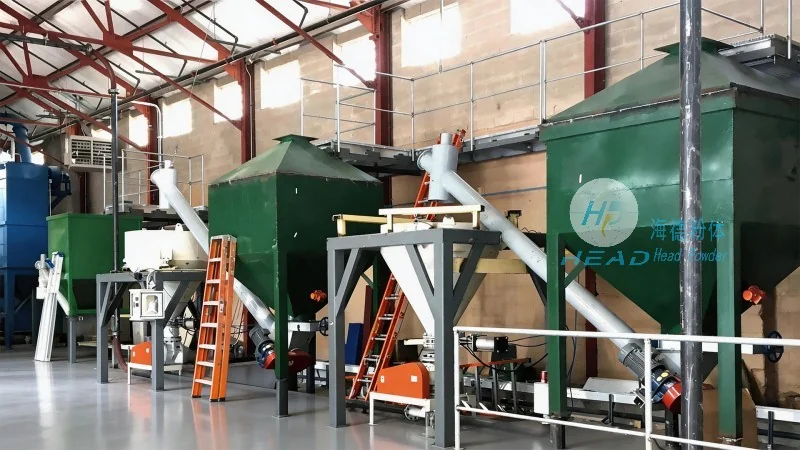
Applications of Positive Pressure Powder Handling
Positive pressure powder handling systems are used in various industries, including pharmaceuticals, food processing, chemical manufacturing, and mining. In the pharmaceutical industry, these systems are used to transport active ingredients and excipients, ensuring a clean and controlled environment. In food processing, they are used to handle powders like flour, sugar, and spices, maintaining product quality and preventing contamination. In chemical manufacturing, they are used to transport corrosive or hazardous powders, providing a safe and efficient method of material handling. In mining, they are used to transport bulk materials like coal and ore, improving operational efficiency and reducing labor costs.
Conclusion
Positive pressure powder handling systems are an essential technology for efficient and safe bulk material transport. By understanding the operation process and working principles, users can optimize their systems for specific applications, ensuring reliable performance and compliance with industry standards. The key to successful operation lies in proper system design, regular maintenance, and careful monitoring of operational parameters. As industrial demands for efficient material handling continue to grow, positive pressure powder handling systems remain a reliable and effective solution for a wide range of applications.