

Operation Process and Working Principle of Negative Pressure Dilute Phase Powder Material Conveying
Shandong HeadPowder Engineering Co., Ltd., commonly known as headpowder, is a professional enterprise based in Shandong, China, specializing in the research, development, and application of negative pressure dilute phase powder material conveying systems. Our company focuses on providing efficient and reliable solutions for the transportation of various powders and granular materials in industrial settings.
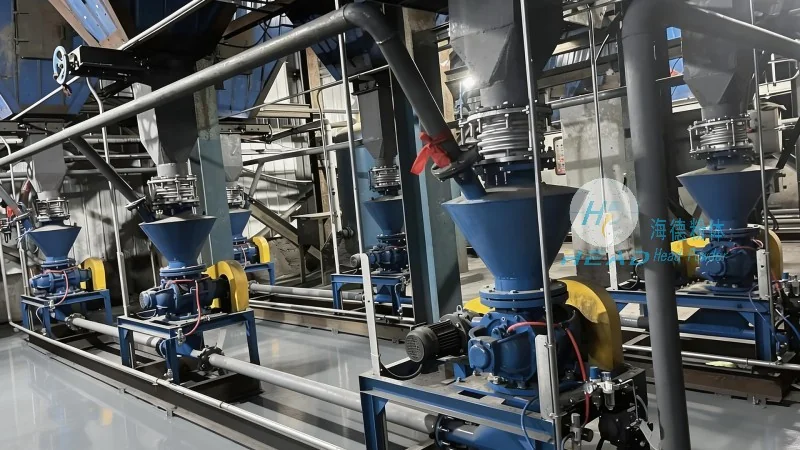
Introduction to Negative Pressure Dilute Phase Powder Conveying
Negative pressure dilute phase powder conveying is a widely used method for transporting dry powders and granular materials over long distances. This technology operates by creating a negative pressure (vacuum) in the conveying pipeline, which draws the material from the source to the destination. The system typically consists of a vacuum pump (or fan), conveying pipes, feeding devices, and receiving equipment. The key advantage of this method is its ability to handle a wide range of materials, including fine powders, while minimizing material degradation and ensuring a clean and efficient transport process.
Working Principle of the Negative Pressure Dilute Phase Conveying System
The core of the negative pressure dilute phase conveying system lies in the generation and maintenance of a vacuum within the pipeline. The vacuum pump, often a high-efficiency fan or a dedicated vacuum system, draws air and the material particles from the source point into the pipeline. As the material is drawn, it becomes suspended in the air stream, forming a dilute phase mixture. The conveying speed and distance are determined by the vacuum level, the material properties, and the system design. The system ensures that the material is transported without the need for positive pressure, reducing the risk of dust explosion and minimizing energy consumption compared to positive pressure systems.
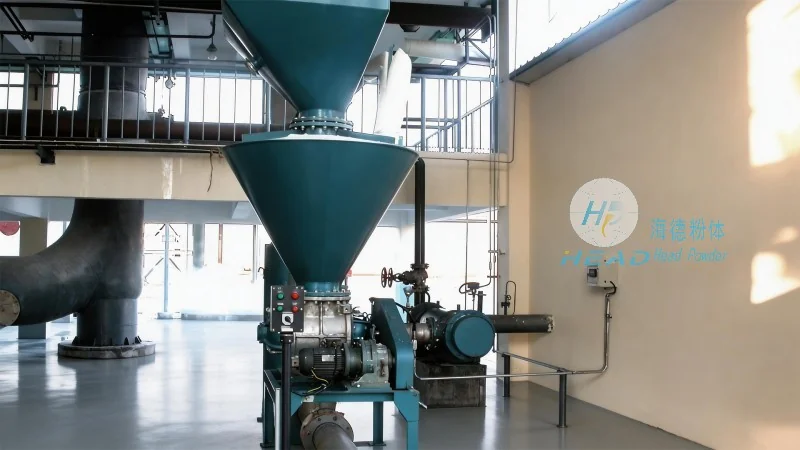
Operation Process of the Negative Pressure Dilute Phase Powder Conveying System
The operation process of a negative pressure dilute phase powder conveying system involves several key steps. First, the material is fed into the conveying pipeline from the source, such as a silo or a hopper. The feeding device, often a rotary valve or a star feeder, controls the flow rate of the material. Simultaneously, the vacuum pump starts and creates a negative pressure in the pipeline. The negative pressure draws the material and the surrounding air into the pipeline, forming a dilute phase mixture. The mixture travels through the pipeline to the receiving equipment, such as a bag filter or a silo, where the material is separated from the air. The air is then discharged through a filter system, while the material is collected in the receiving container. The system operates continuously, with the vacuum level and flow rate adjusted as needed to maintain optimal performance.
Key Components and Their Functions
Several critical components are integral to the negative pressure dilute phase powder conveying system. The vacuum pump is the primary component responsible for creating the negative pressure. It can be a centrifugal fan, a roots blower, or a combination of both, depending on the required vacuum level and material characteristics. The conveying pipes are typically made of stainless steel or other corrosion-resistant materials to handle various powders and prevent material buildup. The feeding devices, such as rotary valves or star feeders, regulate the material flow and prevent blockages. The receiving equipment, like bag filters or cyclones, separates the material from the air and ensures that the material is collected efficiently. Additionally, the system may include filters and air treatment units to meet environmental and safety standards.
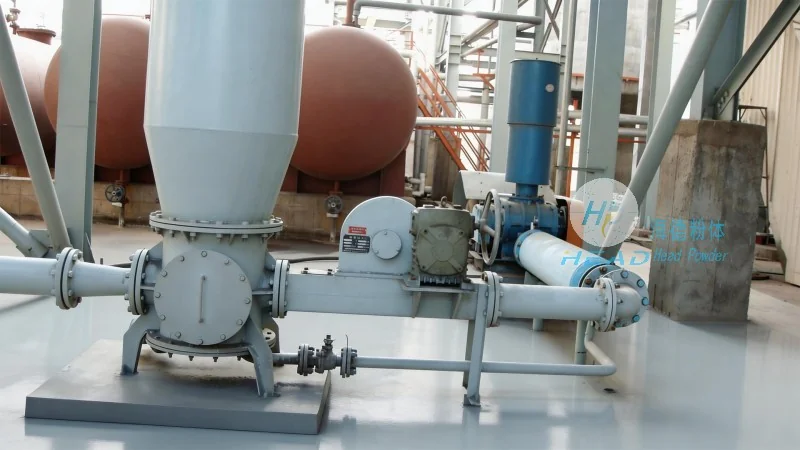
Advantages of Negative Pressure Dilute Phase Powder Conveying
Negative pressure dilute phase powder conveying offers several advantages over other conveying methods. First, it is highly efficient for transporting fine powders over long distances, as the material is suspended in the air stream, reducing friction and wear on the system components. Second, the system is safer as it operates under negative pressure, minimizing the risk of dust explosion and preventing the release of material into the environment. Third, it is more energy-efficient compared to positive pressure systems, as the vacuum pump consumes less energy to maintain the pressure difference. Fourth, the system is versatile and can handle a wide range of materials, including abrasive and corrosive powders, without causing damage to the equipment. These advantages make negative pressure dilute phase conveying an ideal solution for many industrial applications.

Applications in Industrial Settings
Shandong HeadPowder Engineering Co., Ltd. provides negative pressure dilute phase powder conveying solutions for various industrial applications. These include the transportation of cement, flour, coal, and other dry powders in the construction, food, and energy industries. The system is also used in the pharmaceutical and chemical sectors for the safe and efficient transport of sensitive materials. In the mining industry, the technology is employed to convey ore and other granular materials from processing plants to storage facilities. The versatility and reliability of the negative pressure dilute phase conveying system make it a preferred choice for industries that require consistent and safe material transport.
Maintenance and Safety Considerations
Maintaining the performance and safety of the negative pressure dilute phase powder conveying system is crucial. Regular maintenance includes checking the vacuum pump for wear and tear, cleaning the filters and conveying pipes to prevent material buildup, and inspecting the feeding devices for proper operation. Safety considerations include ensuring that the system is properly grounded to prevent static electricity buildup, which can cause dust explosions. Additionally, the system should be equipped with pressure relief valves and emergency shut-off devices to prevent overpressure and ensure operator safety. By following proper maintenance and safety protocols, the system can operate efficiently and safely for extended periods.