

Operation Process and Working Principle of Gypsum Powder and Dust Pneumatic Conveying System Equipme
Shandong HeadPowder Engineering Co., Ltd. specializes in the design, manufacturing, and installation of advanced pneumatic conveying systems tailored for handling gypsum powder and dust. These systems are crucial in various industrial applications, ensuring efficient material transport while maintaining product quality and safety standards. The following sections detail the operational process and underlying working principles of such systems, providing a comprehensive understanding for potential users and industry professionals.
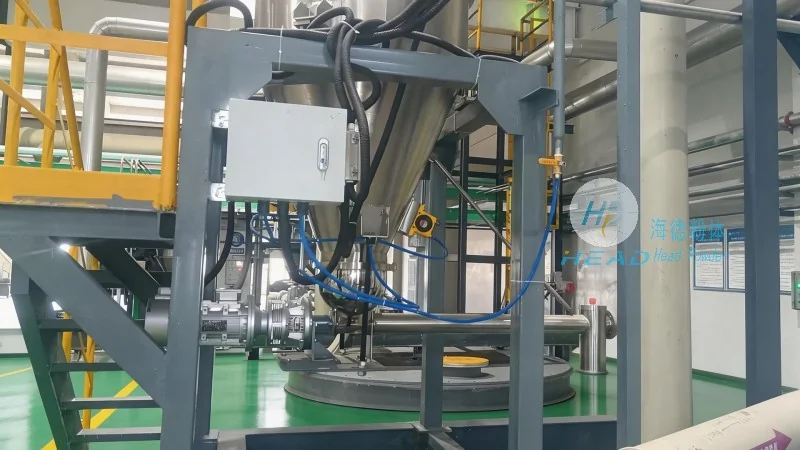
Key Components and Their Roles in the System
The gypsum powder and dust pneumatic conveying system typically comprises several core components, each playing a vital role in the overall operation. These include the material hopper, which serves as the storage and feeding unit; the air compressor or blower, responsible for generating the necessary air pressure to move the material; the conveying pipeline, which transports the material from the source to the destination; and the control system, which regulates the flow rate and pressure to maintain optimal performance. Additionally, auxiliary components such as filters, cyclones, and dust collectors may be integrated to ensure environmental compliance and product cleanliness.
Operation Process: Step-by-Step Overview
The operation of the gypsum powder and dust pneumatic conveying system follows a systematic sequence of steps. Initially, the gypsum powder is fed into the material hopper from the storage silo or bulk container. The hopper is equipped with a feeder mechanism, often a rotary valve or screw conveyor, which controls the discharge rate of the material. Simultaneously, the air compressor or blower starts operating, generating a high-pressure air stream. The feeder then releases the gypsum powder into the pipeline, where it is entrained by the air flow and carried to the destination point. At the receiving end, a separator or cyclone is used to separate the material from the air, allowing the gypsum powder to be deposited into the target container or processing unit. The exhaust air, now containing fine dust particles, passes through a filter or dust collector to remove contaminants before being released back into the environment. This entire process is monitored and controlled by the system's control panel, which adjusts parameters like air pressure, material feed rate, and separator efficiency to ensure consistent performance.
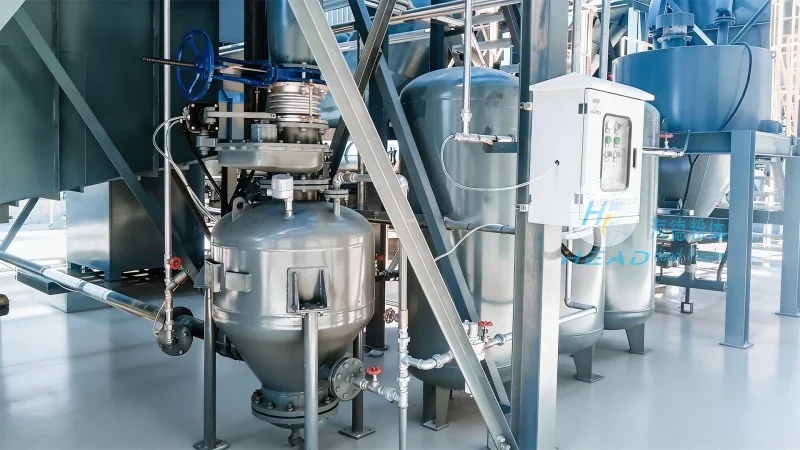
Working Principle: The Physics Behind Pneumatic Conveying
The working principle of the gypsum powder and dust pneumatic conveying system is based on the fundamental physics of fluid dynamics and particle transport. When air is forced through the conveying pipeline at a sufficient velocity, it creates a pressure differential that allows the gypsum powder particles to be suspended and transported along with the air stream. This phenomenon, known as pneumatic conveying, relies on the balance between the drag force exerted by the air on the particles and the gravitational force pulling them downward. The key factors influencing the conveying efficiency include the air velocity, particle size and density, pipeline diameter, and system pressure. For gypsum powder, which is typically fine and light, a moderate air velocity (often between 15 to 30 meters per second) is sufficient to achieve stable conveying. The system's design must account for these variables to prevent issues such as particle deposition, blockages, or excessive pressure drops, which could lead to system inefficiencies or damage.
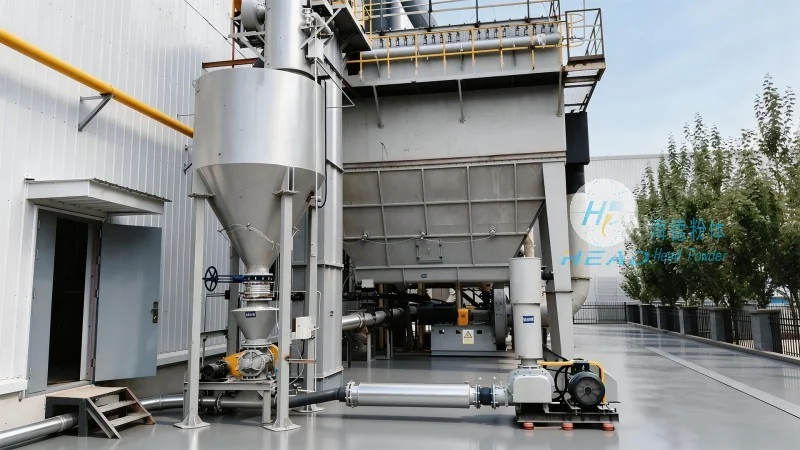
Advantages and Applications of Gypsum Powder Pneumatic Conveying Systems
Implementing a pneumatic conveying system for gypsum powder offers numerous advantages over traditional methods like belt conveyors or bucket elevators. These systems provide a dust-free and hygienic environment, reducing the risk of contamination and improving workplace safety. They also offer flexibility in material handling, as the pipeline can be easily reconfigured to adapt to changing production needs or facility layouts. Additionally, pneumatic conveying systems are capable of transporting materials over longer distances and at higher speeds, enhancing overall operational efficiency. In industrial settings, these systems are commonly used in the production of gypsum-based products, such as drywall, plaster, and construction materials. They are also employed in recycling and waste management processes, where gypsum powder is recovered and reused. The systems are particularly beneficial in applications requiring precise control over material flow, as the feeding and conveying rates can be adjusted dynamically to meet production demands.
Maintenance and Best Practices for Optimal System Performance
To ensure the long-term reliability and efficiency of the gypsum powder pneumatic conveying system, regular maintenance and adherence to best practices are essential. The system components, especially the air compressor, filters, and conveying pipeline, require periodic inspection and cleaning to prevent clogging or degradation. The material hopper and feeder should be checked for wear and tear, as these parts are directly exposed to the gypsum powder and can experience abrasion over time. The control system should be calibrated regularly to maintain accurate pressure and flow readings. Additionally, it is recommended to perform routine tests to check the system's pressure drop and conveying capacity, allowing for timely adjustments or repairs. Proper training of operators on the system's operation and safety protocols is also crucial to prevent accidents and ensure compliance with environmental regulations. By following these maintenance guidelines, users can maximize the system's lifespan and minimize downtime, thereby enhancing overall productivity and cost-effectiveness.