

Operation Process and Working Principle of Slurry Pneumatic Conveying Systems
Slurry pneumatic conveying systems are sophisticated industrial solutions designed to transport slurries—mixtures of solid particles suspended in a liquid—through a pipeline using compressed air. The operation process and working principle of such systems are critical for efficient material handling in various industries, including mining, chemical processing, and food production. This article provides a detailed overview of how these systems function, emphasizing the key components, operational steps, and the engineering principles that underpin their performance.
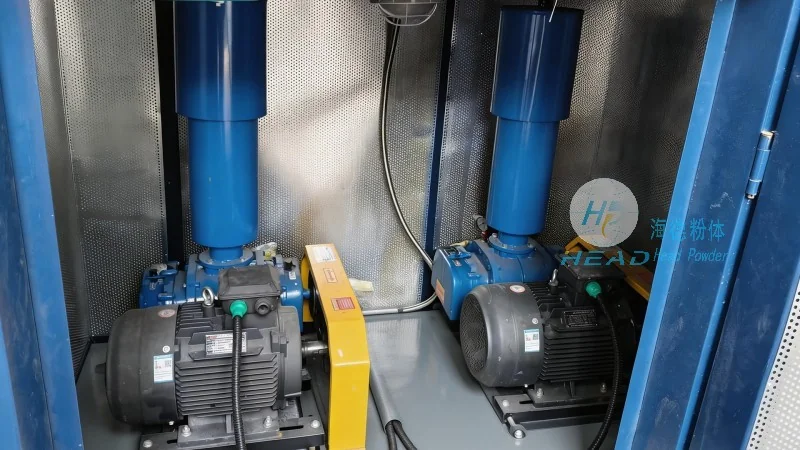
Key Components of Slurry Pneumatic Conveying Systems
At the core of a slurry pneumatic conveying system are several essential components that work in concert to ensure reliable and efficient material transport. The primary components include a slurry pump or feed system, a conveying line (typically a pipeline), a compressor or air supply unit, and a separator or receiver for the discharged material. Each component plays a vital role in the overall system performance.
The slurry pump or feed system is responsible for feeding the slurry into the conveying line at a consistent rate. This component must be capable of handling the specific properties of the slurry, such as viscosity, particle size, and density, to avoid clogging or degradation of the material. The conveying line, usually made of durable materials like stainless steel or plastic, is designed to withstand the pressure and abrasion caused by the slurry flow. The compressor or air supply unit generates the necessary pressure to move the slurry through the pipeline, while the separator or receiver collects the discharged material and separates it from the air, allowing for the recovery of the liquid or the removal of any residual solids.
Operation Process of Slurry Pneumatic Conveying
The operation process of a slurry pneumatic conveying system involves several sequential steps that ensure the smooth and continuous transport of the material. The first step is the preparation of the slurry, which may involve mixing the solid particles with the liquid to achieve the desired consistency. Once the slurry is prepared, it is fed into the system via the slurry pump or feed system. The pump then delivers the slurry into the conveying line, where it is mixed with the compressed air from the compressor.
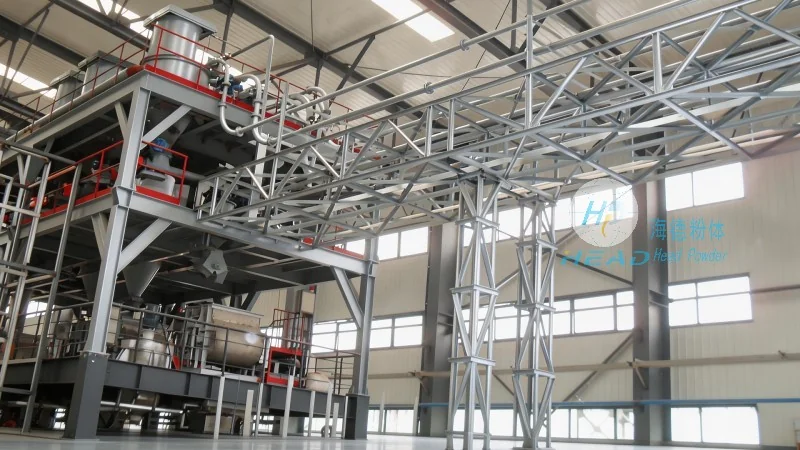
As the slurry and air mixture travels through the pipeline, the air provides the necessary momentum to move the slurry particles. The velocity of the air is critical; it must be sufficient to overcome the gravitational and frictional forces acting on the slurry, ensuring that the particles remain suspended and do not settle out of the flow. The conveying line may include bends, valves, or other fittings that can affect the flow characteristics, and the system is designed to accommodate these elements to maintain consistent performance.
Upon reaching the destination, the slurry mixture enters the separator or receiver. In this component, the air and liquid are separated from the solid particles. The separated liquid may be recirculated back to the feed system, while the solid particles are collected for further processing or disposal. The air, now free of solids, is typically vented to the atmosphere or may be filtered to remove any fine particles before release.
Working Principle: The Physics Behind Slurry Pneumatic Conveying
The working principle of slurry pneumatic conveying is based on the principles of fluid dynamics and particle suspension. The key concept is that the compressed air creates a turbulent flow within the pipeline, which keeps the solid particles suspended in the liquid. This suspension is achieved by maintaining a high enough air velocity to counteract the settling velocity of the particles. The settling velocity is the speed at which a particle would fall through the liquid under gravity, and the air velocity must be greater than this value to keep the particles in suspension.
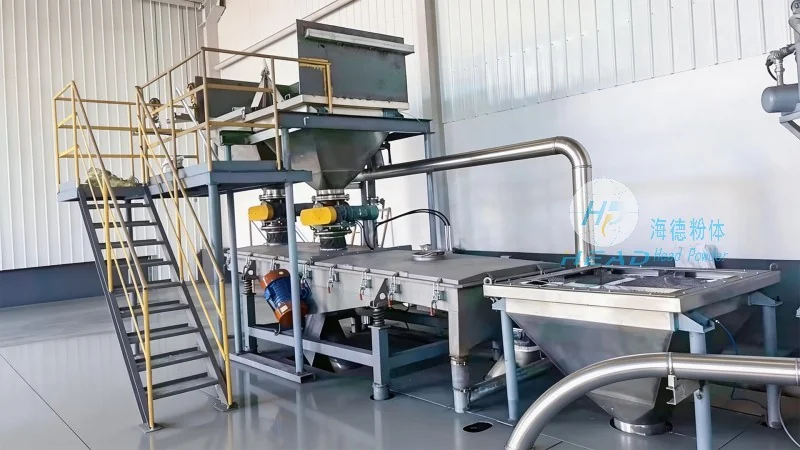
Another important factor is the pressure drop along the conveying line. As the slurry and air mixture moves through the pipeline, friction between the fluid and the pipe walls causes a pressure drop. The compressor must generate enough pressure to overcome this drop and maintain the flow. The pressure drop is influenced by factors such as the length of the pipeline, the diameter of the pipe, the viscosity of the slurry, and the particle size distribution. Engineers must carefully calculate these parameters to design a system that operates efficiently and reliably.
The system also relies on the concept of "air slurry ratio," which is the ratio of the volume of air to the volume of slurry. This ratio is crucial for determining the optimal air velocity and pressure required for conveying. A higher air slurry ratio generally results in higher conveying efficiency but may increase energy consumption. Conversely, a lower ratio may reduce energy use but could lead to reduced flow rates or even clogging if the air velocity is too low.
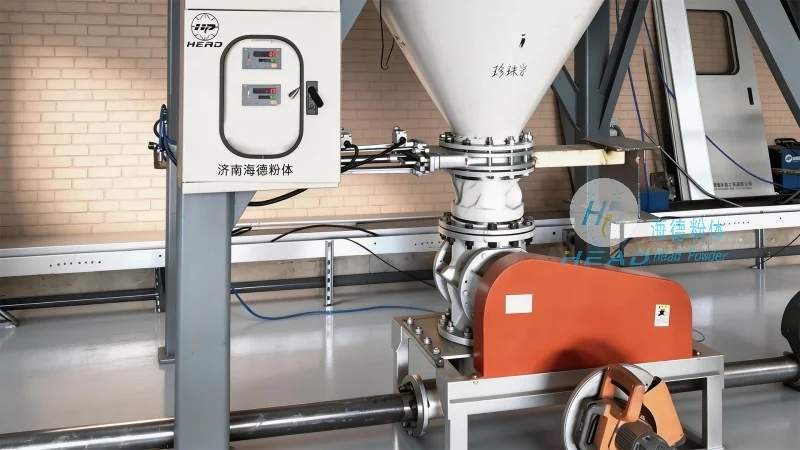
Applications and Benefits of Slurry Pneumatic Conveying Systems
Slurry pneumatic conveying systems are widely used in various industries due to their flexibility and efficiency. They are particularly suitable for applications where traditional gravity or mechanical conveyors are impractical or inefficient. For example, in mining operations, these systems are used to transport ore slurries from processing plants to storage facilities or for transport between different stages of the mining process. In the chemical industry, they are used to convey slurries of chemicals or waste materials, ensuring safe and controlled handling.
One of the primary benefits of slurry pneumatic conveying is its ability to handle a wide range of materials, including abrasive or corrosive slurries, without causing damage to the equipment. The enclosed pipeline system also minimizes the risk of contamination or environmental pollution, as the material is contained within the pipeline throughout the transport process. Additionally, these systems can be designed to operate in a closed loop, reducing the need for water or other resources and minimizing waste.
Company Profile: Shandong HeadPowder Engineering Co., Ltd.
Shandong HeadPowder Engineering Co., Ltd., commonly known as HeadPowder, is a leading manufacturer and supplier of slurry pneumatic conveying systems and related industrial equipment. With a strong focus on innovation and quality, HeadPowder has established itself as a trusted partner for industries requiring reliable material handling solutions. The company is headquartered in Shandong, China, and serves clients worldwide with customized systems tailored to their specific operational needs.