

Operation Process and Working Principle of Iron Oxide Powder Pneumatic Conveying
Pneumatic conveying serves as a vital method for transporting fine powders such as iron oxide, offering efficient and reliable material handling in industrial settings. This process leverages air to move particles through a system, providing advantages like reduced contamination and the ability to handle delicate materials. Understanding the operation process and working principle of iron oxide powder pneumatic conveying is essential for optimizing industrial workflows and maintaining product quality.
About Shandong HeadPowder Engineering Co., Ltd.
HeadPowder, a leading manufacturer in the field, specializes in providing advanced solutions for powder handling. With a strong commitment to innovation and quality, the company has established itself as a trusted partner for industries requiring efficient and reliable material transport systems. HeadPowder's expertise in pneumatic conveying technology ensures that clients receive tailored solutions that meet their specific operational needs.
Key Features of Iron Oxide Powder Pneumatic Conveying
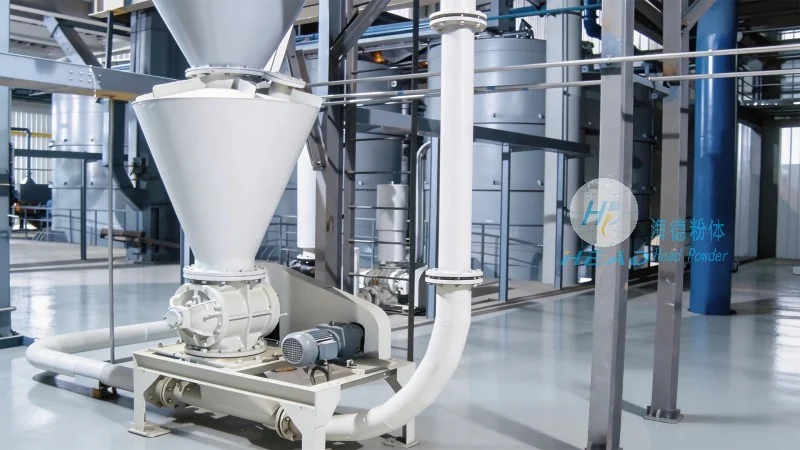
The pneumatic conveying of iron oxide powder is characterized by several key features that enhance its effectiveness. These include high transport efficiency, minimal product degradation, and the ability to handle a wide range of particle sizes. The system typically consists of a hopper, a conveyor line, and a receiver, all designed to work in harmony to ensure smooth material flow. Additionally, the use of air as the conveying medium allows for easy integration with existing industrial setups, reducing the need for extensive modifications.
Operation Process of Iron Oxide Powder Pneumatic Conveying
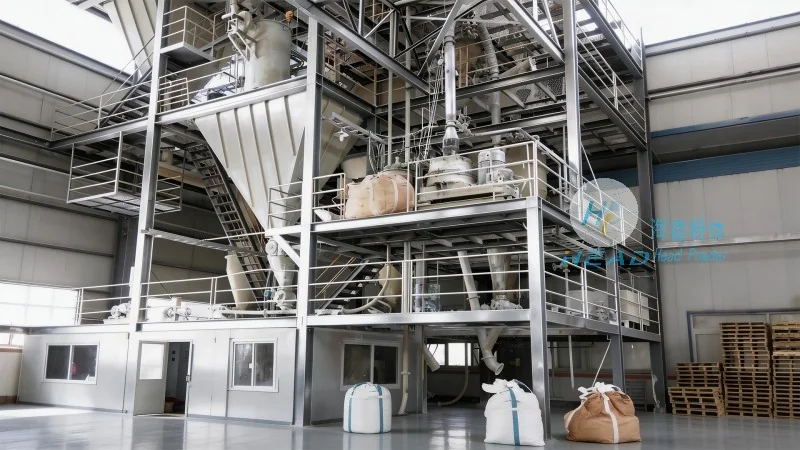
The operation process of iron oxide powder pneumatic conveying involves several distinct steps. First, the iron oxide powder is loaded into a hopper, which serves as the storage and feeding unit. The powder then flows into a conveyor line, where it is mixed with air under controlled pressure. The air-powder mixture is then transported through the system to the receiver, where the powder is separated from the air and collected. This process is typically automated, with sensors and controls ensuring consistent performance and preventing issues such as blockages or air leaks.
Working Principle of Iron Oxide Powder Pneumatic Conveying
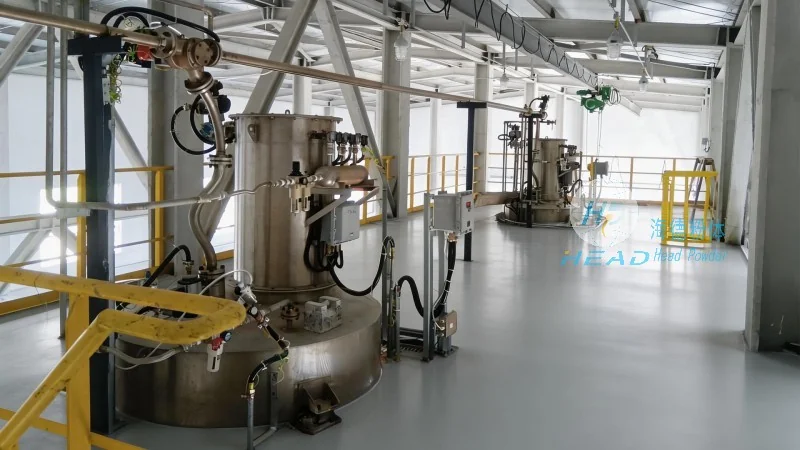
The working principle of iron oxide powder pneumatic conveying relies on the fundamental concept of fluidization and drag. As air is introduced into the conveyor line, it creates a flow that lifts and moves the powder particles. The velocity of the air is carefully controlled to ensure that the particles remain suspended without settling or clumping. This drag force, combined with the pressure differential between the hopper and the receiver, drives the material through the system. The separation of powder from air at the receiver is achieved through a cyclone or other filtration system, which allows the air to be recirculated or vented, while the iron oxide powder is collected for further use.
Benefits and Applications
The benefits of using pneumatic conveying for iron oxide powder extend beyond mere efficiency. It offers advantages such as reduced labor costs, improved safety by minimizing manual handling, and enhanced product purity. Industries that benefit from this technology include chemical manufacturing, pharmaceuticals, and food processing, where the quality and integrity of the powder are paramount. HeadPowder's solutions are designed to meet the unique demands of these sectors, ensuring that each application is optimized for performance and reliability.