

Operating Process and Working Principle of Denitrification Urea Pneumatic Conveying
Denitrification urea is a critical component in modern industrial processes, particularly in flue gas desulfurization and nitrogen oxide reduction systems. The efficient transportation of this material is essential for maintaining optimal performance in these applications. This article provides a detailed overview of the operating process and working principle of denitrification urea pneumatic conveying systems, highlighting the technical aspects and operational considerations that ensure reliable and effective material handling.
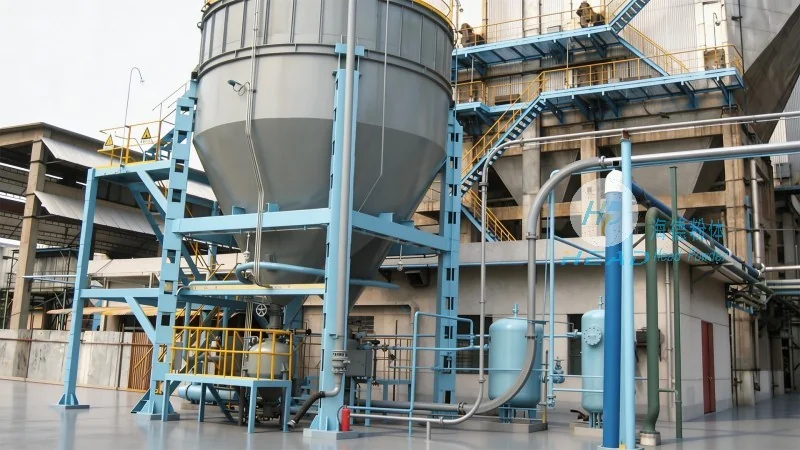
Introduction to Denitrification Urea Pneumatic Conveying
Denitrification urea, also known as urea used for denitrification, is a key reagent in selective catalytic reduction (SCR) systems. These systems are widely employed in power plants and industrial facilities to reduce nitrogen oxide (NOx) emissions by converting them into harmless nitrogen and water. The pneumatic conveying of denitrification urea involves transporting the solid urea particles from storage silos or bulk containers to the injection points within the SCR system. This process requires specialized equipment and a well-designed system to ensure consistent flow, minimal degradation, and compliance with environmental regulations.
Company Overview: Shandong HeadPowder Engineering Co., Ltd.
HeadPowder, the professional provider of pneumatic conveying solutions, specializes in designing and manufacturing systems tailored to the unique needs of denitrification urea handling. With years of experience in the industry, HeadPowder has developed advanced technologies and expertise to deliver reliable, efficient, and cost-effective solutions for industrial applications. The company's commitment to quality and innovation has established it as a trusted partner for clients seeking to optimize their material handling processes. HeadPowder is headquartered in Shandong, China, and serves a global clientele with customized pneumatic conveying solutions.
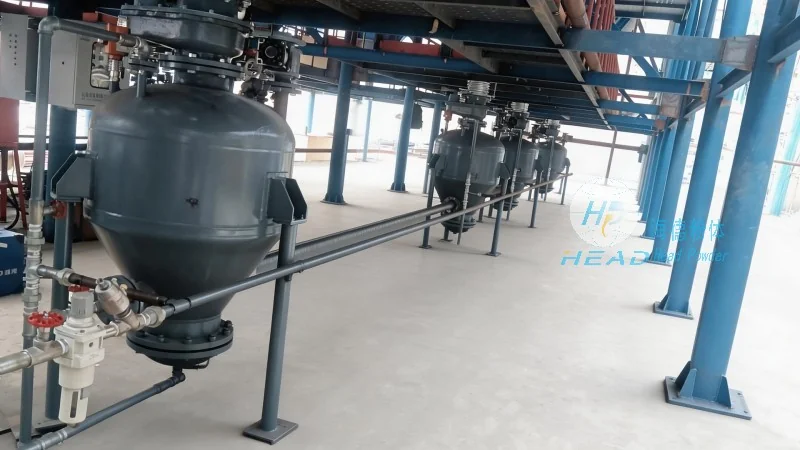
Key Components of Denitrification Urea Pneumatic Conveying Systems
The denitrification urea pneumatic conveying system typically consists of several key components, each playing a crucial role in the overall operation. These components include storage silos or hoppers, feeding mechanisms, air supply systems, conveying pipelines, and injection equipment. The storage silos are designed to hold the urea in bulk, with features such as agitators or level sensors to ensure consistent material flow. The feeding mechanism, often a rotary valve or screw feeder, controls the rate of urea discharge into the conveying line. The air supply system, which may include a blower or compressor, generates the necessary pressure and airflow to move the urea particles through the pipeline. The conveying pipelines are typically made of corrosion-resistant materials, such as stainless steel, to withstand the chemical properties of the urea and prevent degradation. Finally, the injection equipment, such as a spray nozzle or metering pump, delivers the urea to the SCR system at the correct concentration and flow rate.
Operating Process of Denitrification Urea Pneumatic Conveying
The operating process of a denitrification urea pneumatic conveying system involves several sequential steps. First, the urea is stored in the silo, where it is kept in a dry and stable condition. The level sensor monitors the urea level and signals the feeding mechanism to start when the level drops below a certain threshold. The rotary valve or screw feeder then discharges the urea into the conveying line at a controlled rate. Simultaneously, the air supply system generates the required airflow, which is introduced into the conveying line through a venturi or other air injection device. The airflow creates a negative pressure or positive pressure environment, depending on the system design, to move the urea particles along the pipeline. As the urea travels through the pipeline, it is mixed with the air, forming a slurry or suspension that is transported to the injection point. At the injection point, the urea is atomized or mixed with water to form a fine mist, which is then injected into the flue gas stream within the SCR system. The injection process is carefully controlled to ensure the correct urea-to-NOx ratio, which is critical for achieving optimal denitrification efficiency.
Working Principle of Denitrification Urea Pneumatic Conveying
The working principle of denitrification urea pneumatic conveying is based on the fundamental principles of fluid dynamics and particle transport. The system operates by creating a flow of air or gas through the conveying pipeline, which carries the urea particles along with it. The key to efficient conveying is the balance between the air velocity and the particle size and density. If the air velocity is too low, the particles may settle and cause blockages in the pipeline. Conversely, if the air velocity is too high, the particles may be carried too quickly, leading to excessive wear on the pipeline and equipment, or even particle degradation. The system design must consider factors such as the urea particle size distribution, the conveying distance, the pipeline diameter, and the required flow rate to determine the optimal air velocity and pressure. Additionally, the system must be equipped with appropriate control mechanisms, such as pressure sensors and flow meters, to monitor and adjust the operation in real-time, ensuring consistent performance and preventing system failures.
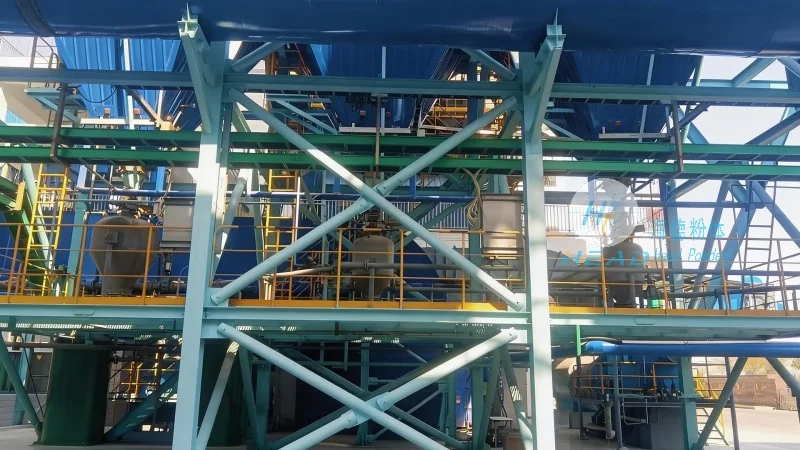
Advantages of Denitrification Urea Pneumatic Conveying
Denitrification urea pneumatic conveying offers several advantages over traditional material handling methods, such as belt conveyors or truck loading. One of the primary advantages is the ability to transport the urea over long distances without the need for intermediate storage or transfer points. This reduces the risk of material degradation and ensures a consistent supply of urea to the SCR system. Another advantage is the reduced labor requirements, as the system can operate automatically with minimal human intervention. The pneumatic conveying system also provides better control over the urea flow rate and concentration, which is crucial for maintaining optimal denitrification efficiency. Furthermore, the system is less prone to contamination and can be designed to meet strict environmental regulations, making it an ideal solution for industrial applications.
Operational Considerations and Maintenance
While denitrification urea pneumatic conveying systems offer numerous benefits, proper operation and maintenance are essential to ensure their reliability and longevity. Regular maintenance tasks include inspecting and cleaning the conveying pipelines and components to prevent blockages and corrosion. The air supply system should be checked for proper operation and lubricated as needed. The feeding mechanism should be calibrated to maintain the correct flow rate, and the level sensors should be verified for accuracy. Additionally, the system should be monitored for any signs of wear or degradation, such as increased pressure drop or reduced flow rate, and addressed promptly to prevent system failures. Proper training of operators and maintenance personnel is also crucial to ensure the safe and efficient operation of the system. By following these operational considerations and maintenance procedures, the denitrification urea pneumatic conveying system can provide reliable and effective material handling for years to come.