

Principle and Working Scene Characteristics of Magnesium Silicate Material Pneumatic Conveying Equip
HeadPowder, a leading provider in the field of material handling solutions, specializes in the design and manufacturing of advanced pneumatic conveying equipment tailored for handling magnesium silicate materials. This article delves into the fundamental principles behind such systems and explores the key characteristics of their operational environments.
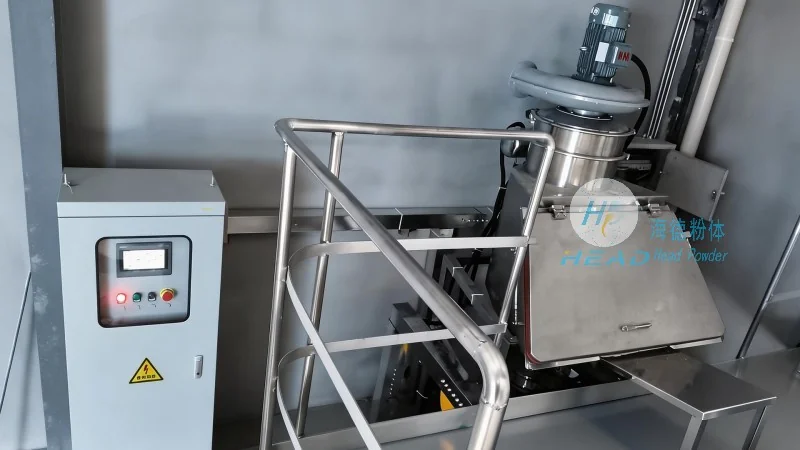
Overview of Pneumatic Conveying Systems for Magnesium Silicate
Pneumatic conveying systems are essential for efficiently transporting bulk materials like magnesium silicate, which are often characterized by their fine particle size and potential for dust generation. The core principle of these systems involves using compressed air to create a flow that moves the material through a pipeline. This method offers advantages such as dust control, reduced material degradation, and the ability to transport materials over long distances without the need for mechanical components like conveyor belts or buckets.
Key Components and Working Principle
The operation of a magnesium silicate pneumatic conveying system typically involves several critical components. At the heart of the system is a feed hopper, which stores and feeds the material into the conveying line. A blower or air compressor provides the necessary air pressure to generate the conveying airflow. The material is then introduced into the pipeline, often through a inlet or feeder, and is carried by the air stream to the discharge point. The system may also include features like dust collectors to manage any airborne particles and filters to ensure air quality compliance.
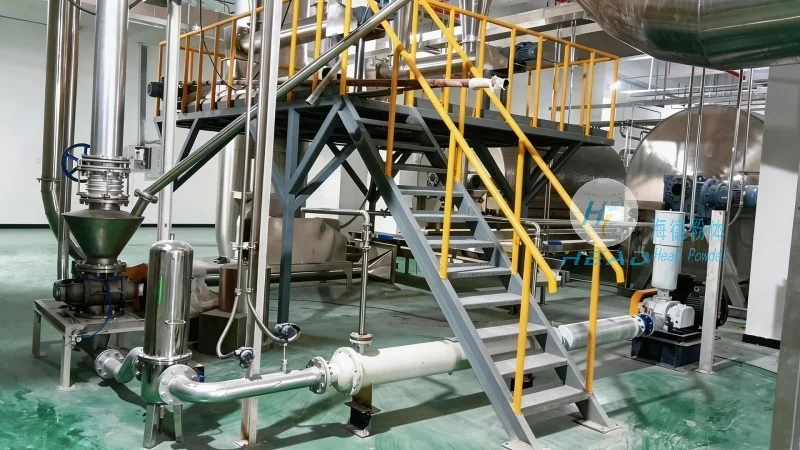
Working Scene Characteristics
The working environment for magnesium silicate pneumatic conveying equipment is defined by specific operational conditions that influence system design and performance. These characteristics include:
- Material Properties: Magnesium silicate materials are often fine and can be abrasive, requiring equipment with robust construction to withstand wear and tear. The systems must also handle variations in moisture content and particle size distribution.
- Process Requirements: The conveying system may need to operate under varying flow rates and pressures, depending on the production demands. This flexibility is crucial for maintaining consistent material throughput in industrial settings.
- Environmental Considerations: Due to the potential for dust generation, the equipment is designed with dust control measures to comply with environmental regulations and ensure workplace safety. This includes sealed systems and efficient filtration.
- Space Constraints: In many industrial applications, the available space for the conveying system is limited. The design of the equipment must therefore be compact and modular, allowing for easy installation and integration into existing production lines.
Application Examples and Operational Scenarios
HeadPowder's pneumatic conveying solutions for magnesium silicate are widely used in various industrial sectors. For instance, in the production of refractory materials, these systems efficiently transport raw magnesium silicate from storage to processing units. In the chemical industry, they are employed to move the material between different stages of manufacturing, ensuring a smooth and continuous production flow. Additionally, in mining and mineral processing operations, the equipment helps in transporting the material from extraction sites to processing facilities, optimizing the overall operational efficiency.
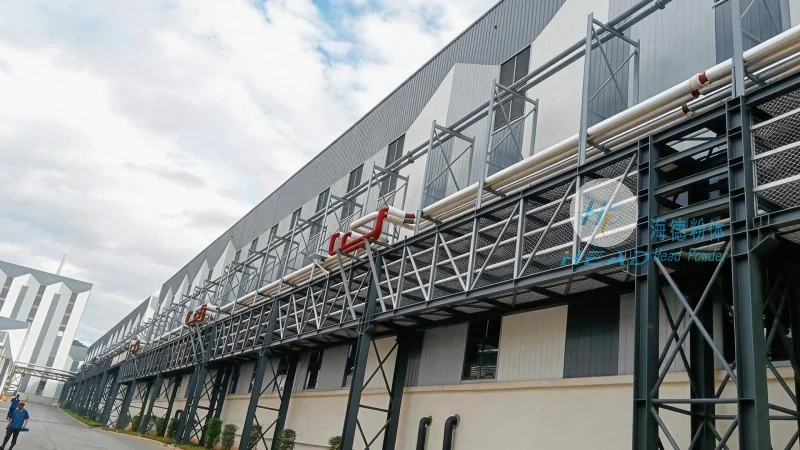
Advantages of Using Pneumatic Conveying for Magnesium Silicate
Employing pneumatic conveying for magnesium silicate offers several benefits that enhance operational efficiency and product quality. These advantages include:
- Efficient Material Handling: The system provides a continuous and reliable method of transporting bulk materials, reducing downtime and labor costs associated with manual handling.
- Reduced Material Loss and Degradation: By minimizing contact with external elements and mechanical components, the system helps preserve the quality of the magnesium silicate material, preventing clumping or degradation.
- Improved Safety and Hygiene: The enclosed design of the system reduces dust exposure, creating a safer working environment and complying with health and safety regulations.
- Scalability and Flexibility: The equipment can be easily scaled to accommodate changes in production volume and can be adapted to different material types, making it a versatile solution for various industrial needs.
Conclusion
HeadPowder Engineering Co., Ltd., based in Shandong, China, offers advanced pneumatic conveying equipment designed specifically for the efficient handling of magnesium silicate materials. By understanding the fundamental principles and working scene characteristics of these systems, industries can leverage the benefits of pneumatic conveying to enhance their operational efficiency, product quality, and safety standards. The company's expertise in material handling solutions ensures that clients receive tailored equipment that meets their specific process requirements, contributing to overall operational success.