

Principle and Working Scene Characteristics of Borax Granule Material Handling Systems
Efficient material handling is a critical aspect of industrial operations, especially when dealing with bulk materials like borax granules. The design and functionality of borax granule material handling systems play a pivotal role in ensuring smooth production processes, minimizing downtime, and optimizing resource utilization. This article delves into the fundamental principles behind such systems and explores the distinct characteristics of their operational environments.
Understanding the Core Principles of Borax Granule Material Handling Systems
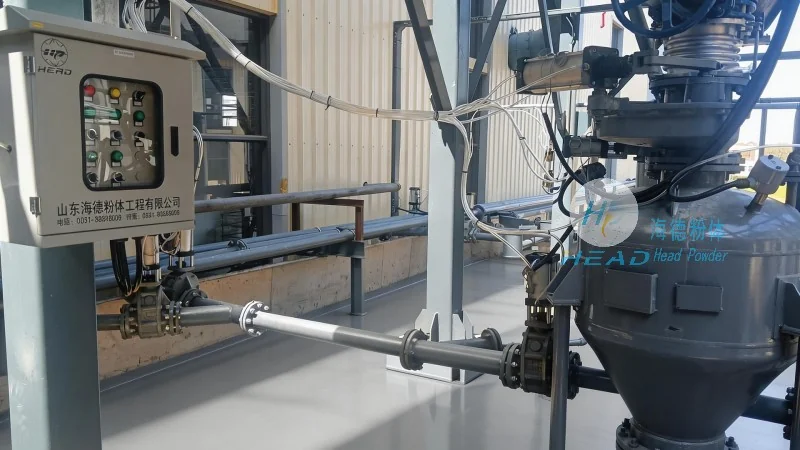
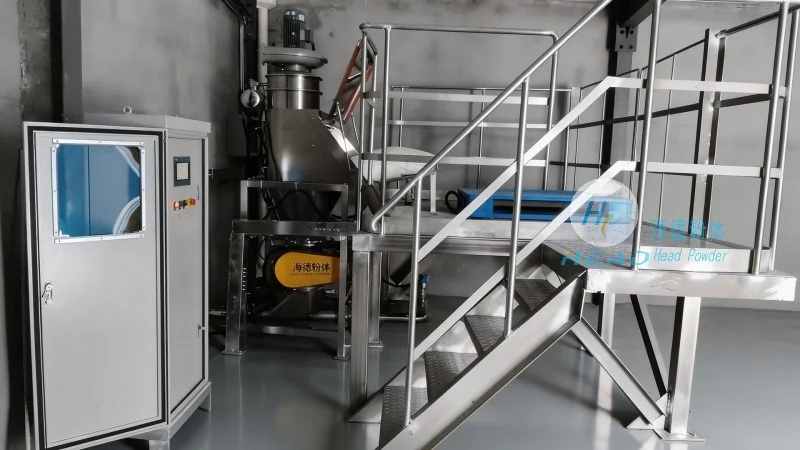
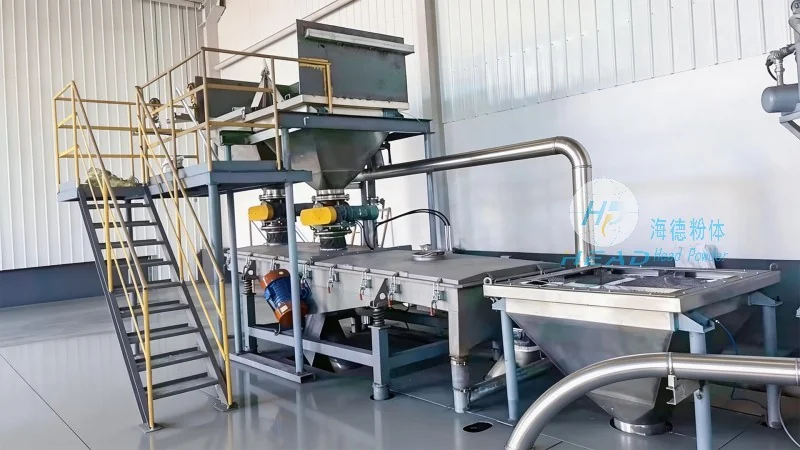
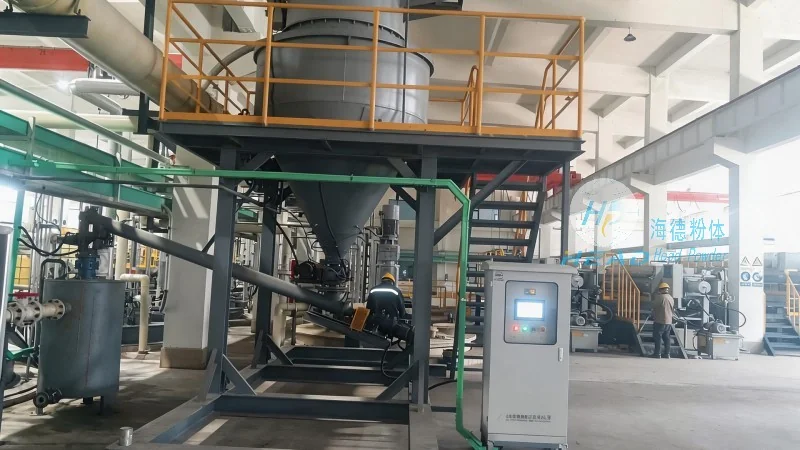
Efficient material handling is a critical aspect of industrial operations, especially when dealing with bulk materials like borax granules. The design and functionality of borax granule material handling systems play a pivotal role in ensuring smooth production processes, minimizing downtime, and optimizing resource utilization. This article delves into the fundamental principles behind such systems and explores the distinct characteristics of their operational environments. At the heart of any borax granule material handling system lies a combination of mechanical engineering principles and material science considerations. The primary goal is to transport granular borax from one location to another with precision, speed, and minimal loss. Key components typically include feeders, conveyors, and control mechanisms that work in tandem to achieve this objective. For instance, a common setup might involve a rotary valve or a screw feeder to regulate the flow of borax granules, followed by a belt conveyor or a pneumatic system to transport them over longer distances. The system's design must account for the physical properties of borax granules, such as their size, density, and flowability, to prevent issues like clogging or uneven distribution. Additionally, the integration of sensors and automation technology allows for real-time monitoring and adjustment, enhancing the overall efficiency and reliability of the process. Different types of conveyors are employed based on the specific requirements of the application. Screw conveyors, for example, are ideal for horizontal or slightly inclined transport due to their ability to handle dry, free-flowing materials without the need for external power sources. Vibrating conveyors, on the other hand, are suitable for materials with higher moisture content or those that tend to stick together, as the vibration helps to prevent blockages. Pneumatic conveying systems, or air slides, are used when the material needs to be transported over longer vertical distances or in environments where dust control is a priority. Each of these methods has its own advantages and limitations, and the choice depends on factors like the volume of material, the distance to be covered, and the environmental conditions of the working scene.