

Principles and Working Scene Characteristics of Tailings Material Conveying
Understanding the principles and characteristics of tailings material conveying is crucial for efficient and safe operation in mining and mineral processing industries. This article explores the fundamental mechanisms behind tailings transport systems and highlights key working scene characteristics that define their application in various industrial settings.
Introduction to Tailings Material Conveying Systems
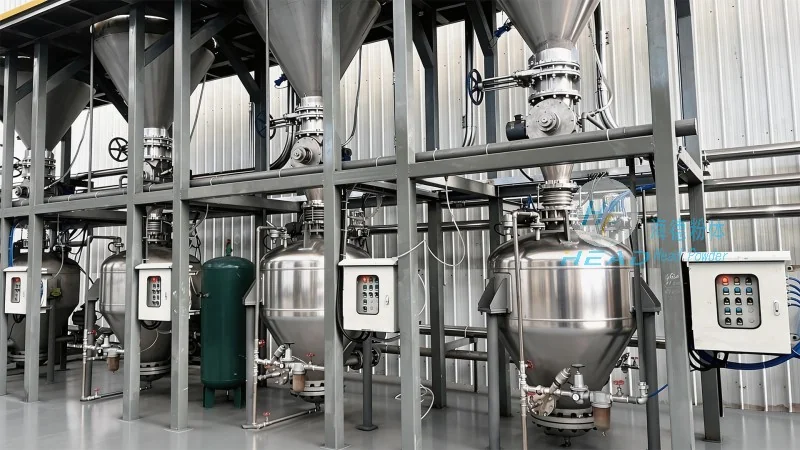
Tailings, the byproduct of ore processing, require specialized transport solutions to manage their movement from processing facilities to disposal or reclamation sites. Conveying systems for tailings typically involve a combination of mechanical and gravitational forces, tailored to the physical properties of the material, such as particle size, density, and moisture content. The primary goal of these systems is to ensure reliable, continuous, and environmentally compliant transport while minimizing operational costs and risks.
Core Principles of Tailings Material Conveying
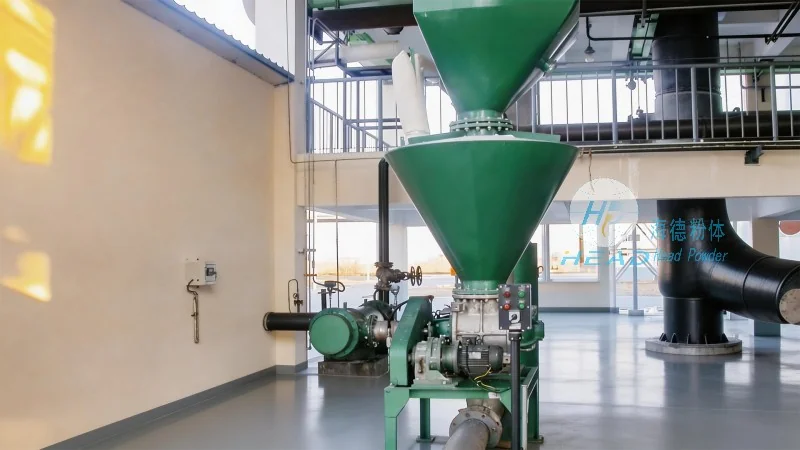
The fundamental principles of tailings material conveying revolve around the efficient transfer of fine-grained, often water-saturated materials. Key mechanisms include hydraulic transport (pumping), pneumatic transport (air-lift systems), and mechanical transport (trough conveyors, belt conveyors, and slurry pipelines). Each method is selected based on the specific characteristics of the tailings and the operational requirements of the site. For instance, hydraulic systems are commonly used for long-distance transport of high-density slurries, while mechanical systems are preferred for shorter distances or when dewatering is required.
Working Scene Characteristics of Tailings Conveying
The application of tailings conveying systems varies significantly across different industrial scenarios. In open-pit mining operations, conveyors are often integrated into the overall material handling infrastructure, transporting tailings from the processing plant to tailings dams or storage facilities. The working environment in such scenes is characterized by large-scale operations, high material volumes, and the need for robust, durable equipment capable of withstanding harsh conditions, including extreme temperatures and abrasive materials.
In underground mining settings, the challenges are more complex due to limited space and the need for compact, flexible conveying solutions. Here, slurry pipelines and vertical conveyors are frequently employed to transport tailings vertically over significant heights, often using gravity-assisted systems to reduce energy consumption. The working scene in underground mines also demands strict adherence to safety regulations, as the conveyance of potentially hazardous materials requires careful design and monitoring.
Key Considerations for Tailings Conveying Systems
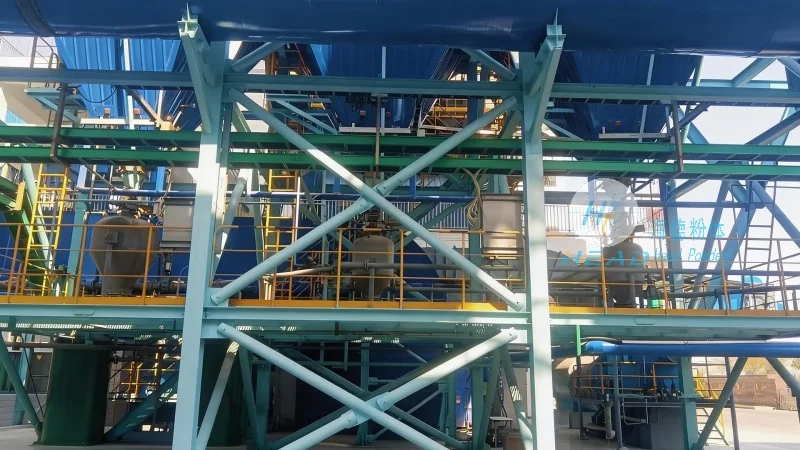
When designing and implementing tailings conveying systems, several critical factors must be considered to ensure optimal performance and longevity. These include the selection of appropriate equipment based on tailings properties, the assessment of environmental impacts, and the implementation of maintenance strategies to prevent system failures. For example, the choice between a belt conveyor and a slurry pipeline depends on factors like the distance to be covered, the volume of material, and the need for dewatering. Additionally, regular maintenance of components such as pumps, pipelines, and conveyor belts is essential to mitigate the effects of abrasion and corrosion, which are common in tailings transport.
Conclusion
Tailings material conveying systems play a vital role in the sustainable management of mining operations by enabling the efficient and safe transport of byproducts. By understanding the core principles and working scene characteristics, industry professionals can select and optimize conveying solutions that meet the specific needs of their operations. As technology advances, ongoing research and development continue to improve the efficiency and environmental performance of tailings transport systems, contributing to the overall sustainability of the mining industry.