

Principles and Working Scene Characteristics of Brewery Spoilage Material Conveying
Brewery spoilage material, also known as brewery waste or spent grain, is a byproduct generated during the beer brewing process. Efficient and reliable conveying of this material is crucial for maintaining production efficiency and ensuring proper waste management in breweries. The principles and operational characteristics of brewery spoilage material conveying systems are designed to address the unique challenges posed by these materials, such as high moisture content, variable particle sizes, and sticky properties. This article explores the core principles behind brewery spoilage material conveying and highlights the key working scene characteristics that define effective handling solutions.
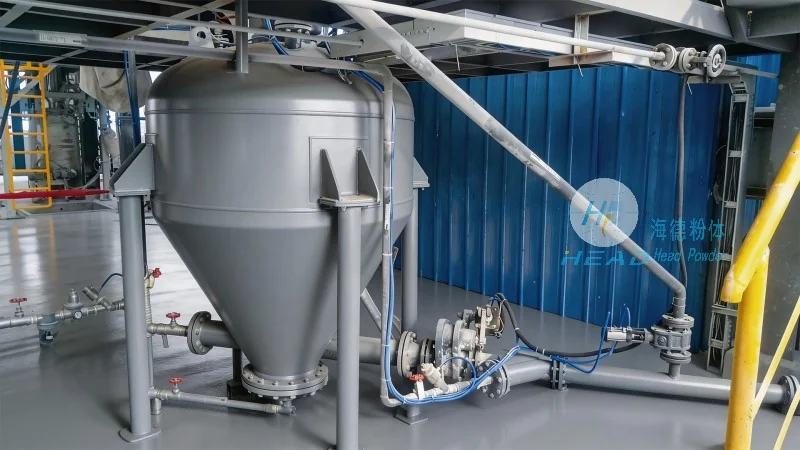
Core Principles of Brewery Spoilage Material Conveying
The primary principle of conveying brewery spoilage material is to move the waste from one processing stage to another or to the disposal area while minimizing material degradation and ensuring operational safety. Conveying systems are typically designed based on the physical properties of the material, including its density, moisture content, and flowability. For instance, materials with high moisture content may require specialized equipment like screw conveyors or belt conveyors with appropriate sealing and cleaning mechanisms to prevent clogging and maintain hygiene standards. The selection of the conveying method also depends on the scale of the brewery, with larger facilities often employing automated systems that integrate with the overall production line.
Working Scene Characteristics of Brewery Spoilage Material Conveying
The working scene characteristics of brewery spoilage material conveying systems vary significantly based on the specific application and the brewery's operational requirements. In small to medium-sized breweries, manual or semi-automated conveying methods may be used, often involving simple belt or bucket elevators. These systems are typically designed for lower throughput and may require more frequent maintenance due to the abrasive nature of the material. In contrast, large-scale industrial breweries utilize advanced, fully automated conveying systems that can handle high volumes of spoilage material. These systems often incorporate features like variable speed drives, material sensors, and integrated cleaning protocols to ensure consistent performance and reduce downtime.
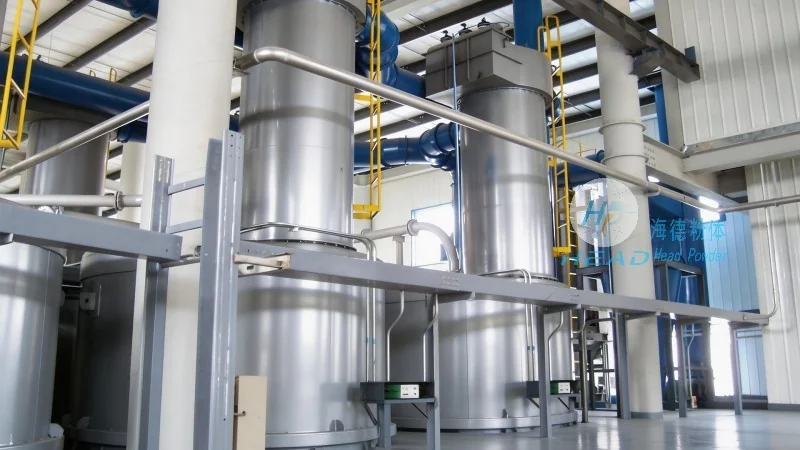
Application Scenarios in Different Brewing Processes
Brewery spoilage material conveying is integral to various stages of the brewing process, including mashing, fermentation, and filtration. During mashing, the spent grain is removed from the mash tun and conveyed to a storage area or directly to the drying process. In fermentation, the spent grain from the fermenters is collected and transported to the waste management area for further processing or disposal. The characteristics of the material at each stage differ, with mashing spent grain being wetter and more fibrous, while fermentation spent grain may have a higher concentration of residual sugars and organic matter. Conveying systems must be adaptable to these variations to ensure efficient material handling throughout the entire process.
Equipment Selection and Operational Considerations
The choice of conveying equipment for brewery spoilage material is critical and depends on several factors, including the material's physical properties, the required conveying distance, and the desired throughput. Screw conveyors are commonly used for horizontal or slight incline conveying due to their ability to handle sticky and fibrous materials. They are particularly effective for moving wet or moist spoilage material without causing blockages. Belt conveyors, on the other hand, are suitable for longer horizontal distances and can handle larger volumes of material. They are often equipped with side guards and cleaning mechanisms to prevent material spillage and maintain hygiene. Bucket elevators are used for vertical conveying, especially when the material needs to be lifted to a higher level for processing or disposal. These systems are designed to handle heavy loads and are typically made of durable materials to withstand the abrasive nature of the spoilage material.
Maintenance and Efficiency in Conveying Systems
Efficient operation of brewery spoilage material conveying systems requires regular maintenance to ensure optimal performance and longevity. Key maintenance tasks include cleaning the conveyor components, checking for wear and tear on parts like bearings and seals, and monitoring the material flow to detect any blockages or irregularities. Proper maintenance not only improves the efficiency of the conveying process but also reduces the risk of equipment failure, which can lead to production delays and increased operational costs. Advanced systems often incorporate sensors and monitoring tools that provide real-time data on the system's performance, allowing for proactive maintenance and timely adjustments to maintain optimal efficiency.

Environmental and Safety Considerations
Conveying brewery spoilage material also involves considerations related to environmental impact and workplace safety. The systems must be designed to minimize dust generation and prevent the spread of odors, which is important for maintaining a safe and healthy working environment. Additionally, the equipment must comply with relevant safety standards to protect workers from potential hazards, such as moving parts or heavy loads. Proper ventilation and dust collection systems are often integrated into the conveying process to control air quality and ensure compliance with environmental regulations. By addressing these considerations, breweries can ensure that their material conveying systems are both efficient and responsible, contributing to sustainable and safe operations.
Conclusion
In conclusion, the principles and working scene characteristics of brewery spoilage material conveying are essential for maintaining efficient and sustainable operations in breweries. By understanding the unique properties of the material and selecting appropriate conveying equipment, breweries can optimize their waste management processes and improve overall production efficiency. The integration of advanced technologies and regular maintenance further enhances the performance and reliability of these systems, ensuring they meet the demands of modern brewing operations. As the brewing industry continues to evolve, the importance of effective material conveying will remain a critical factor in the success of breweries worldwide.