

Principles and Working Scene Characteristics of Copper Powder Material Handling
HeadPowder, a leading provider in the field, specializes in the efficient and reliable handling of copper powder materials. This article delves into the fundamental principles governing copper powder material handling and explores the key characteristics of various working scenes where such systems are applied. By understanding these aspects, users can better select and implement appropriate solutions for their industrial needs.
Core Principles of Copper Powder Material Handling
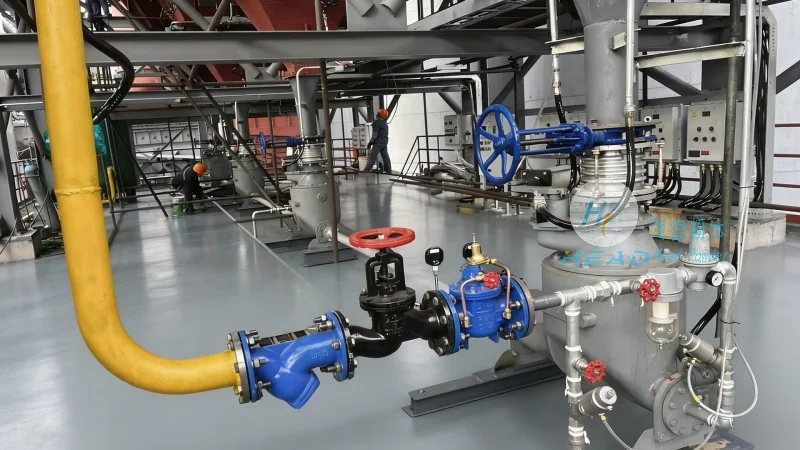
The handling of copper powder involves several critical principles designed to ensure safety, efficiency, and product integrity. First, the principle of dust control is paramount due to the fine nature of copper powder, which can create hazardous dust clouds. Advanced dust collection systems, such as cyclones and baghouses, are typically integrated into the handling equipment to minimize airborne particles. Second, the principle of material flow management is crucial. Copper powder is often abrasive and can cause wear on equipment components. Therefore, materials like stainless steel, special alloys, or wear-resistant coatings are used for hoppers, chutes, and conveyors to extend the lifespan of the system. Third, the principle of contamination prevention is essential. Copper powder is sensitive to moisture and other contaminants, which can affect its electrical conductivity and other properties. Proper sealing and moisture-proof designs in the handling equipment are vital to maintain the quality of the material. Additionally, the principle of energy efficiency is considered, with many modern systems incorporating variable frequency drives (VFDs) to adjust motor speeds based on the material flow rate, reducing energy consumption.
Working Scene Characteristics of Copper Powder Handling Systems
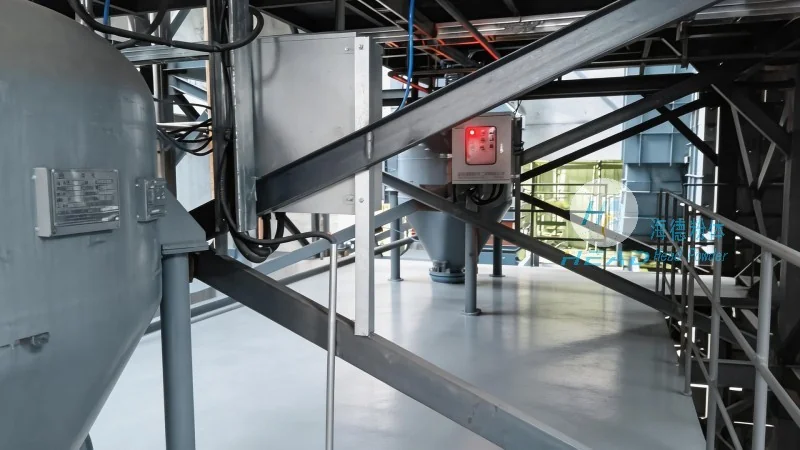
The application of copper powder handling systems varies across different industrial sectors, each with distinct characteristics that influence the design and operation of the equipment. In the electronics manufacturing industry, for example, copper powder is used in the production of printed circuit boards (PCBs) and other electronic components. The working scene here typically involves small-scale, high-precision handling, often requiring cleanroom environments to prevent contamination. The systems used may include pneumatic conveying lines with HEPA filters to maintain air quality, and precision feeders to control the exact amount of powder dispensed. In the metallurgical industry, copper powder is used in the production of copper alloys and other metal products. The working scene is often larger-scale, with higher material throughput requirements. Here, bulk handling systems such as screw conveyors, belt conveyors, and pneumatic conveying systems are commonly employed. The equipment must be robust enough to handle the abrasive nature of the copper powder and the high volume of material being processed. In the battery manufacturing industry, copper powder is a key component in lithium-ion batteries. The working scene involves the handling of fine copper powder with high purity requirements. The systems used may include vacuum conveying to prevent oxidation and contamination, and automated feeding systems to ensure consistent material supply to the production line. Each of these working scenes requires tailored solutions that address the specific challenges and requirements of the application, ensuring optimal performance and reliability.
Key Considerations for Selecting Copper Powder Handling Solutions
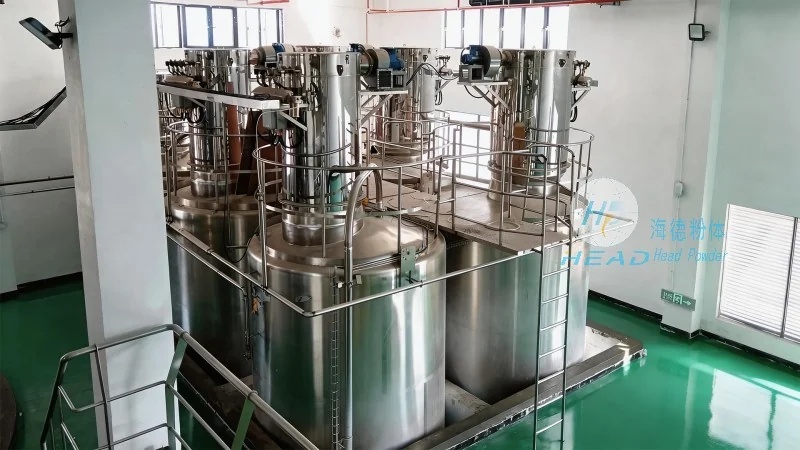
When selecting a copper powder handling solution, several factors must be considered to ensure the system meets the specific needs of the application. First, the material properties of the copper powder, such as particle size, moisture content, and chemical composition, play a significant role. For example, fine copper powder may require more precise control of the conveying air pressure and temperature to prevent agglomeration and ensure smooth flow. Second, the scale of the operation, including the required throughput and storage capacity, influences the choice of equipment. Small-scale operations may opt for manual or semi-automated systems, while large-scale operations may require fully automated systems with integrated controls. Third, the environmental conditions, such as the presence of dust or the need for a cleanroom environment, impact the design of the handling system. Dust control measures, such as enclosed conveying systems and advanced filtration, are essential to comply with safety regulations and maintain product quality. Fourth, the budget and maintenance requirements are also important considerations. While initial costs may vary, the long-term maintenance and operational costs should be evaluated to ensure the system is cost-effective over its lifespan. By carefully evaluating these factors, users can select a copper powder handling solution that is both efficient and reliable, meeting the demands of their specific working scene.