

Principles and Application Scenarios of Pharmaceutical Powder Conveying Lines
Pharmaceutical powder conveying lines are critical components in the pharmaceutical manufacturing industry, designed to handle and transport powders with precision and efficiency. Understanding their principles and application scenarios is essential for optimizing production processes and ensuring compliance with regulatory standards.
Core Principles of Pharmaceutical Powder Conveying Systems
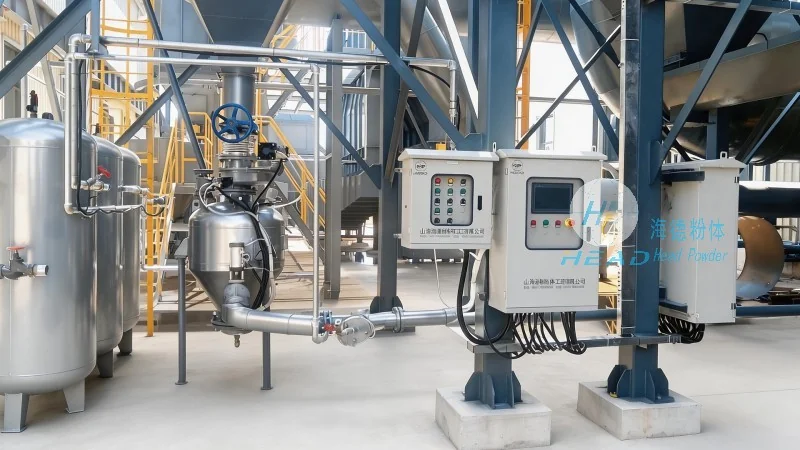
The fundamental principle of pharmaceutical powder conveying lines is to transport powders from one location to another while maintaining their integrity, preventing contamination, and ensuring consistent flow rates. These systems typically employ various mechanisms such as pneumatic conveying, mechanical conveying, or a combination of both, tailored to the specific characteristics of the powder being handled.
Key principles include maintaining a controlled environment to prevent dust generation and cross-contamination, using materials that are compatible with pharmaceutical-grade products, and incorporating features like filtration and cleaning protocols to meet stringent hygiene requirements. The design of these systems also focuses on minimizing product degradation, ensuring that the powder remains stable and free from moisture or other contaminants throughout the conveying process.
System Components and Operational Mechanisms
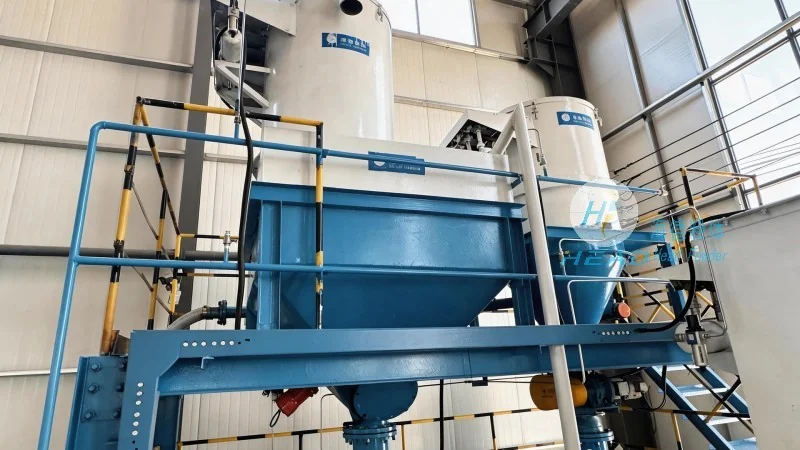
A typical pharmaceutical powder conveying line consists of several interconnected components, each playing a vital role in the overall operation. These components may include feeders, conveyors, filters, and control systems, all working in harmony to achieve efficient powder transfer.
Feeders are used to introduce the powder into the system, ensuring a consistent and controlled flow. They may be designed as rotary valves, star feeders, or other types that can handle different powder properties without causing blockages or segregation. Conveyors, often pneumatic or mechanical, then transport the powder through the system, using air pressure or mechanical force to move the material. Filtration systems are integrated to capture any fine particles or contaminants, ensuring that only clean powder reaches the final destination. Control systems monitor and regulate the entire process, adjusting parameters like pressure, flow rate, and speed to maintain optimal performance.
Application Scenarios in Pharmaceutical Manufacturing
Pharmaceutical powder conveying lines are widely used in various stages of pharmaceutical production, from raw material handling to final product packaging. Their application scenarios are diverse and tailored to the specific needs of different manufacturing processes.
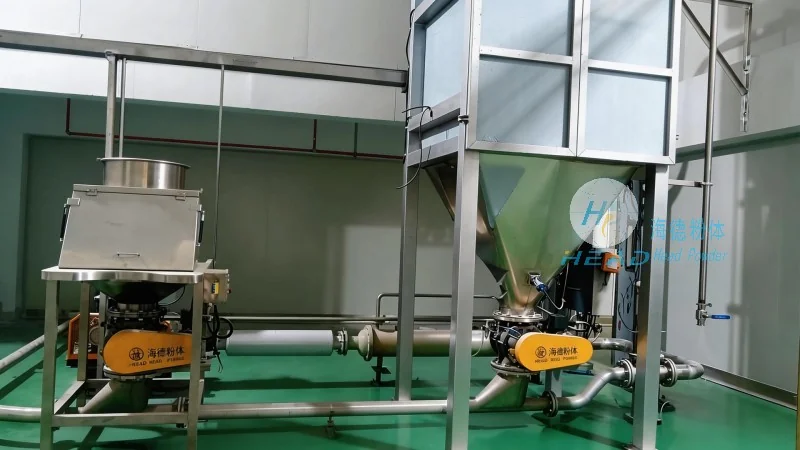
In the raw material handling stage, these systems are used to transport raw powders from storage silos to processing areas, ensuring a smooth and continuous supply of materials. This is crucial for maintaining production efficiency and avoiding bottlenecks. During the manufacturing process, powder conveying lines are employed to transfer active pharmaceutical ingredients (APIs), excipients, and other components to mixing and blending equipment, where they are combined to form the final drug formulation.
Post-manufacturing, powder conveying systems are used to move finished products from processing lines to packaging areas. This ensures that the products are handled gently and without damage, preserving their quality and integrity. Additionally, these systems may be used in quality control and testing stages, where powders are transported to analytical equipment for testing and verification.
Advantages and Considerations in Pharmaceutical Powder Conveying
Implementing pharmaceutical powder conveying lines offers several advantages, including improved process efficiency, reduced labor costs, and enhanced product quality. These systems can handle large volumes of powder with minimal human intervention, reducing the risk of human error and contamination. They also provide better control over the conveying process, allowing for precise adjustment of flow rates and pressure to meet specific production requirements.
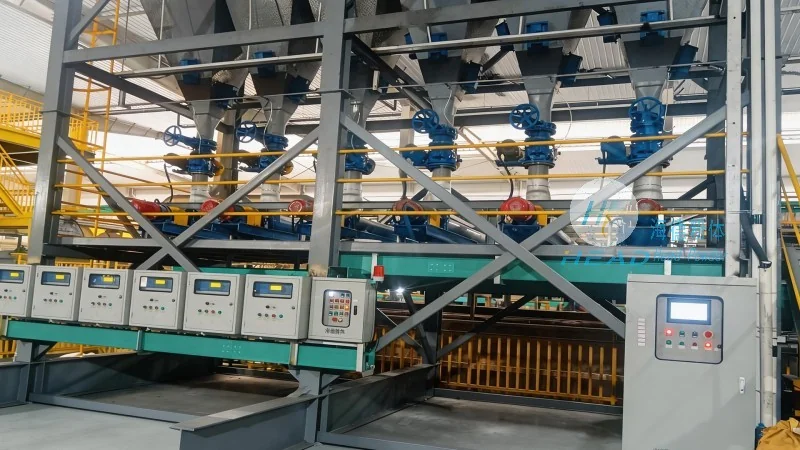
However, there are also considerations to keep in mind when using these systems. The choice of conveying method depends on the powder's properties, such as particle size, moisture content, and flowability. For example, cohesive or fine powders may require pneumatic conveying with special filters to prevent clogging, while bulkier powders may be better suited for mechanical conveying systems. Additionally, the system must be designed to comply with GMP (Good Manufacturing Practice) regulations, ensuring that all components are easy to clean, maintain, and validate.
Conclusion
Pharmaceutical powder conveying lines are essential for modern pharmaceutical manufacturing, providing reliable and efficient means of handling powders throughout the production process. By understanding their principles and application scenarios, manufacturers can optimize their operations, improve product quality, and ensure compliance with industry standards. As technology advances, these systems continue to evolve, incorporating new materials, control technologies, and design features to meet the growing demands of the pharmaceutical industry.