

Principles and Working Scene Characteristics of Dust Powder Conveying Lines
Understanding the principles and working characteristics of dust powder conveying lines is crucial for industries that handle bulk powders. These systems are designed to transport dry, fine materials efficiently and safely, ensuring minimal product loss and contamination. The technology behind these lines combines mechanical and pneumatic components to achieve reliable material transfer.
Core Principles of Dust Powder Conveying Systems
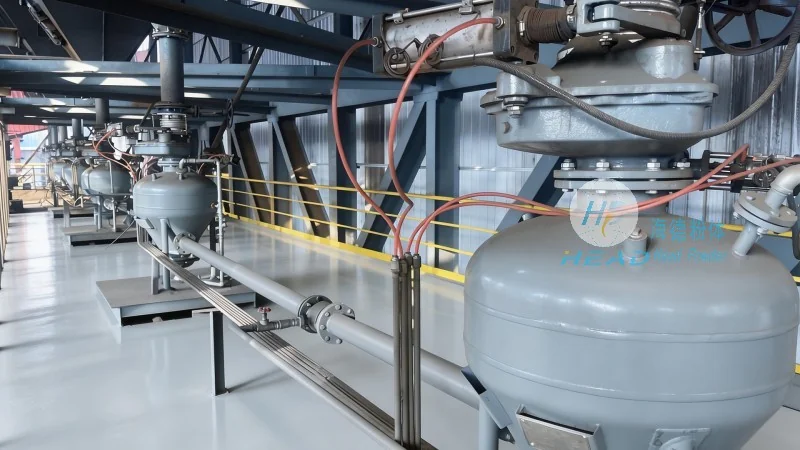
The fundamental principle of dust powder conveying lines involves the movement of particulate materials through a closed or semi-closed system. Key components include hoppers, feeders, conveying pipes, and control valves. The system operates by creating a pressure differential or using air flow to propel the powder from the source to the destination. For example, in pneumatic conveying, compressed air is used to generate a flow that carries the powder particles through the pipeline. This method is particularly effective for fine powders that are prone to caking or agglomeration.
Working Scene Characteristics and Applications
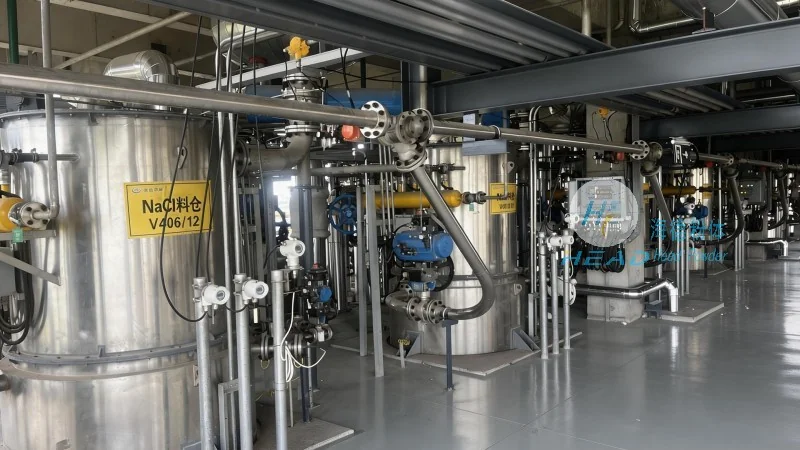
Dust powder conveying lines are widely used across various industrial sectors, each with distinct requirements and operational characteristics. In the chemical industry, these systems handle reactive powders and require strict control over temperature and pressure to prevent accidents. The food and pharmaceutical industries demand high-purity conveying lines with stainless steel construction and sanitary design to meet regulatory standards. Additionally, in the mining sector, large-scale conveying systems transport bulk minerals over long distances, emphasizing durability and efficiency.
Key Features and Advantages
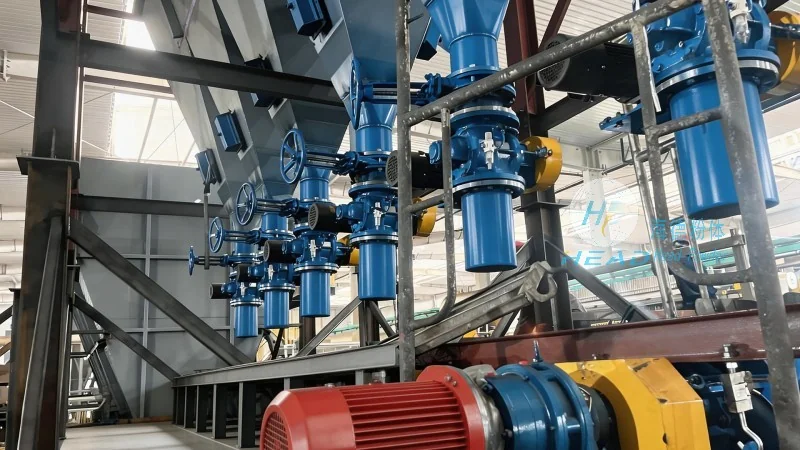
Headpowder, a leading provider of dust powder conveying solutions, offers advanced systems that address the unique challenges of each application. Their products are engineered to minimize material degradation, reduce energy consumption, and ensure consistent flow rates. The company’s expertise in material handling technology allows for customized solutions tailored to specific process needs, such as handling abrasive or corrosive powders. By integrating intelligent control systems, their conveying lines can adapt to varying material properties and operational conditions, enhancing overall system performance.
Conclusion
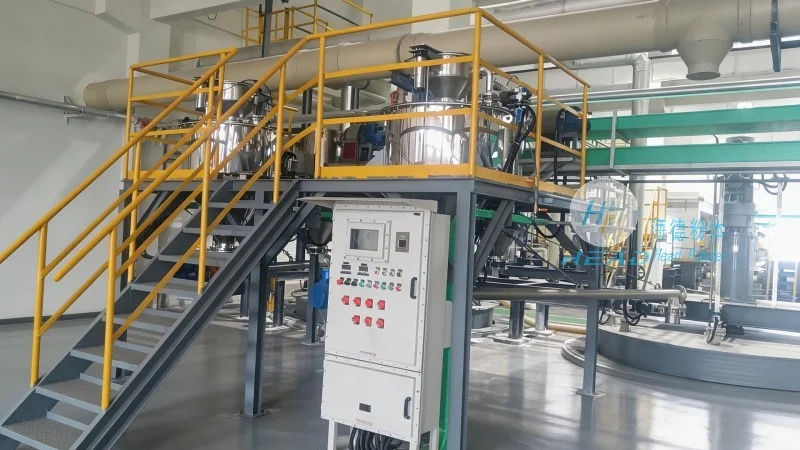
As industries continue to rely on efficient material handling, the principles and working characteristics of dust powder conveying lines remain essential. Companies like Shandong HeadPowder Engineering Co., Ltd., based in China, have established themselves as trusted providers of reliable conveying systems. Their commitment to innovation and quality ensures that businesses can achieve optimal performance and safety in their powder handling operations.