

Principle and Working Scene Characteristics of Desulfurization Gypsum Pneumatic Conveying System Equ
Desulfurization gypsum, a byproduct of flue gas desulfurization in thermal power plants and other industrial facilities, requires efficient and reliable handling systems for its transportation and utilization. The pneumatic conveying system, specifically designed for this application, offers a solution that integrates advanced engineering principles with practical operational considerations. This article explores the fundamental principles behind such systems and highlights the key characteristics of their working environments, providing insights into how these technologies optimize the handling of desulfurization gypsum.
Core Principle of Pneumatic Conveying Systems for Desulfurization Gypsum
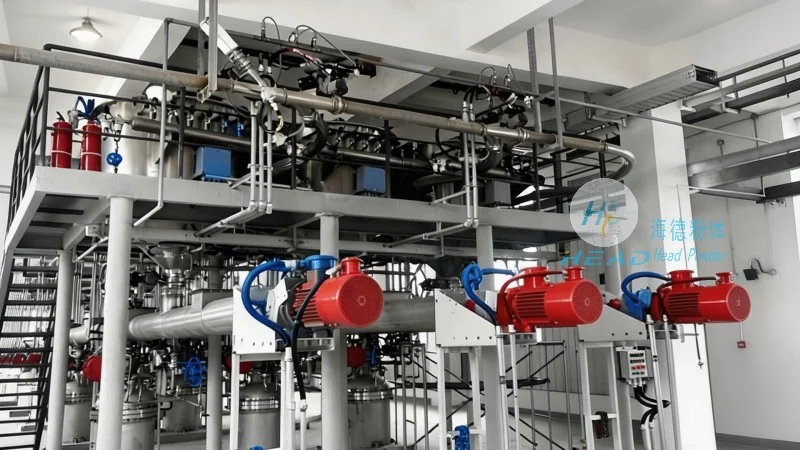
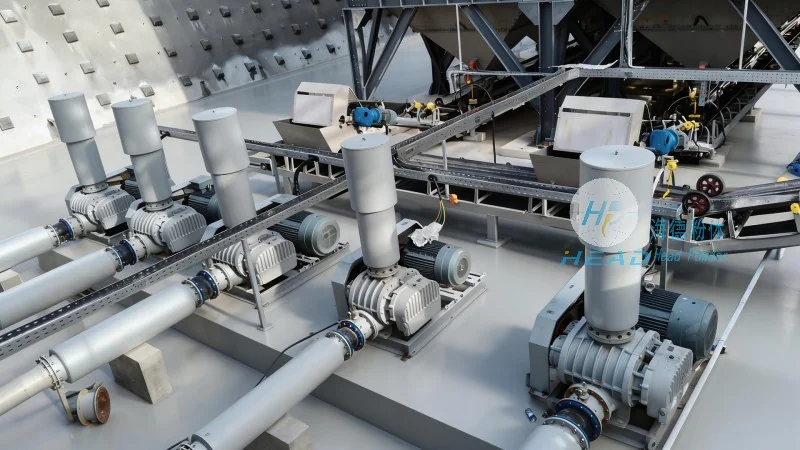
The pneumatic conveying system operates on the principle of transporting bulk materials, such as desulfurization gypsum, through a pipeline using air or other gas as the conveying medium. Unlike traditional mechanical conveying methods, which rely on mechanical components like belts or buckets, pneumatic systems utilize the kinetic energy of the gas to move the material. The process typically involves a feeding device that introduces the gypsum into the pipeline, where it is mixed with the moving air stream. The air-gypsum mixture travels through the pipeline under pressure, with the air providing the necessary force to overcome resistance and ensure smooth transport. Key components of the system include the feeding unit, pipeline network, air supply system (including blowers or compressors), and discharge equipment. The air supply system generates the required pressure and flow rate to maintain the conveying process, while the pipeline design is optimized to minimize friction losses and ensure efficient material transport. The discharge equipment then separates the gypsum from the air stream, allowing the material to be deposited at the desired location. This principle enables the system to handle desulfurization gypsum in a dust-free manner, reducing environmental impact and improving operational safety.

Working Scene Characteristics of Desulfurization Gypsum Pneumatic Conveying Systems
The working environment of desulfurization gypsum pneumatic conveying systems is characterized by several distinct features that influence system design and performance. First, the material properties of desulfurization gypsum, such as its particle size distribution, moisture content, and density, play a critical role in determining the system's efficiency. For instance, finer particles may require higher air velocities to maintain suspension, while higher moisture content can affect the material's flowability and increase the risk of clogging. The system must be designed to accommodate these variations, often through adjustable air flow rates and specialized feeding mechanisms. Second, the operational scale of the system, ranging from small-scale applications in industrial plants to large-scale installations in power stations, influences the pipeline diameter, air pressure, and power requirements. Larger systems may utilize multiple pipelines or a network of interconnected lines to handle higher material throughput, while smaller systems may employ simpler configurations. Third, the environmental conditions, including temperature and humidity, can impact the system's performance. For example, in high-temperature environments, the air supply system may need additional cooling to prevent overheating, and in humid conditions, moisture control measures may be necessary to prevent material degradation or corrosion. Fourth, the safety considerations in industrial settings are paramount. Pneumatic conveying systems must comply with safety regulations to prevent dust explosions, ensure proper ventilation, and protect personnel from potential hazards. This includes features like explosion-proof designs, dust collection systems, and emergency shutdown mechanisms. Finally, the integration of the system with other plant processes, such as storage and processing facilities, requires careful coordination to ensure seamless material flow and operational efficiency. The working scene characteristics highlight the need for customized system designs that address the specific requirements of each application, balancing performance, reliability, and cost-effectiveness.
Application and Operational Advantages of the System
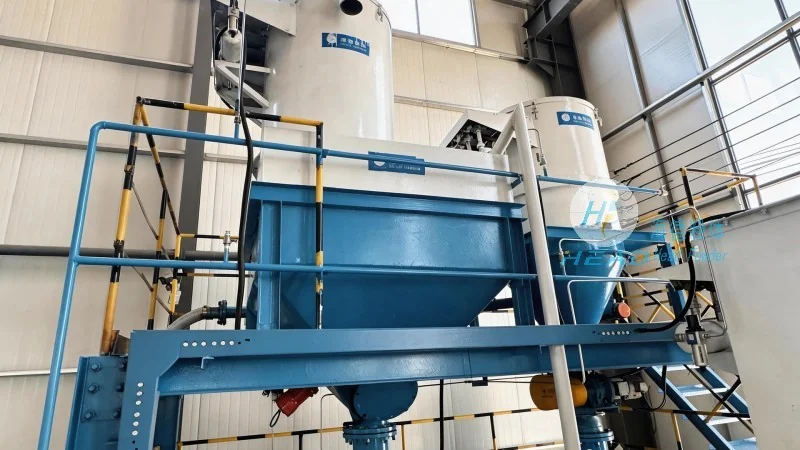
The desulfurization gypsum pneumatic conveying system offers several advantages that make it a preferred choice for handling this material. One of the primary benefits is its ability to transport gypsum over long distances without the need for intermediate storage or transfer points, which reduces material handling costs and improves overall efficiency. The system's dust-free operation minimizes environmental pollution and health risks associated with handling dry powders, aligning with modern industrial standards. Additionally, the system's flexibility allows for easy integration with existing plant infrastructure, reducing installation time and costs. The use of pneumatic conveying also enables the system to handle materials with varying properties, such as different particle sizes or moisture levels, without significant performance degradation. Another advantage is the system's low maintenance requirements compared to mechanical conveying systems, as it has fewer moving parts and is less prone to wear and tear. This results in lower operational costs and increased system reliability. Furthermore, the system's ability to operate continuously without interruptions enhances production efficiency and ensures consistent material supply. The operational advantages of the system make it an ideal solution for industrial applications where reliable and efficient handling of desulfurization gypsum is critical.
Conclusion and Practical Implications
In conclusion, the desulfurization gypsum pneumatic conveying system is a sophisticated technology that combines fundamental engineering principles with practical operational considerations to efficiently handle this important industrial material. The system's design, based on the principles of pneumatic transport, addresses the unique challenges posed by desulfurization gypsum, including its particle characteristics, moisture content, and handling requirements. The working scene characteristics, such as material properties, operational scale, environmental conditions, and safety considerations, play a crucial role in determining the system's effectiveness and reliability. The application of this technology offers significant advantages, including long-distance transport, dust-free operation, flexibility, low maintenance, and continuous operation, making it a valuable asset for industrial facilities. As the demand for efficient handling of desulfurization gypsum continues to grow, the understanding and implementation of these systems will remain essential for optimizing material flow and reducing operational costs. The practical implications of this technology extend beyond individual applications, contributing to broader industrial efficiency and environmental sustainability.