

Principle and Working Scene Characteristics of Ceramic Particle Pneumatic Conveying System Equipment
HeadPowder, a leading manufacturer based in Shandong, China, specializes in the design and production of advanced ceramic particle pneumatic conveying systems. These systems are engineered to efficiently transport fine ceramic powders and granules over long distances with minimal loss and contamination. The core principle behind pneumatic conveying involves using compressed air or other gases to create a flow that propels the material through a pipeline network. This method offers significant advantages over traditional mechanical conveying, such as reduced equipment wear, lower maintenance costs, and enhanced product purity.
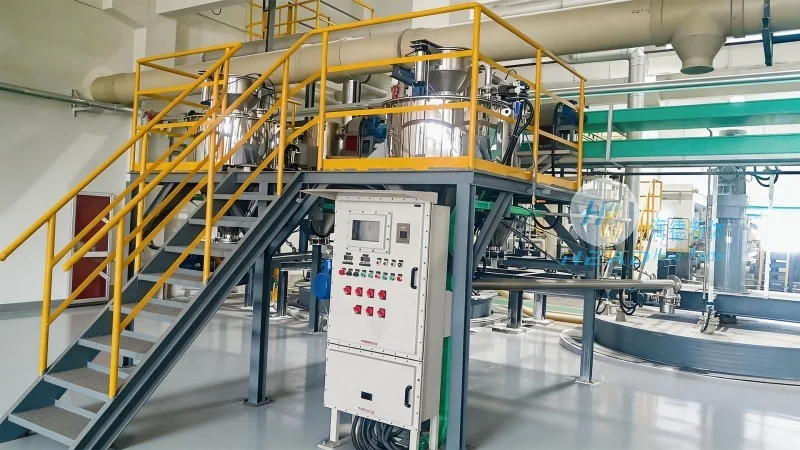
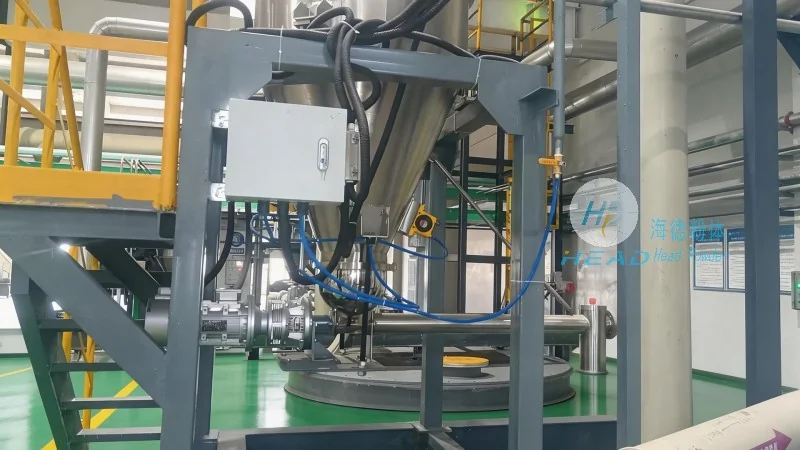
Key Working Principles of the System
The operation of a ceramic particle pneumatic conveying system is based on several fundamental principles. First, the system utilizes a positive or negative pressure differential to move the material. In positive pressure systems, air is forced through the pipeline, carrying the particles forward. Negative pressure systems, conversely, draw the material into the system using suction. For ceramic powders, which are often delicate and prone to agglomeration, the system is designed with specialized components like rotary valves, airlocks, and filter bags to maintain particle integrity. The use of high-efficiency cyclones and dust collectors ensures that the material is separated from the air stream, preventing product loss and environmental contamination. Additionally, the system incorporates adjustable velocity controls and pressure monitoring to optimize flow rates and prevent blockages, which is crucial for handling the varying particle sizes and densities of ceramic materials.
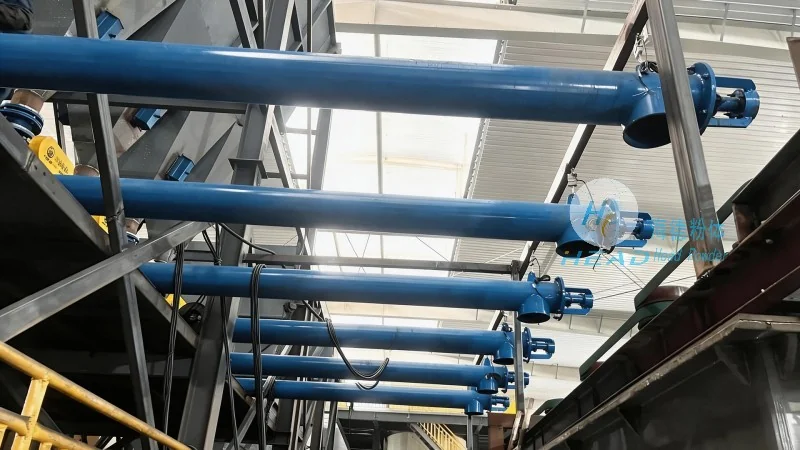
Common Working Scene Applications
The ceramic particle pneumatic conveying systems are widely applied in various industrial settings where the handling of fine ceramic powders is essential. In the ceramics manufacturing industry, these systems are used to transport raw materials like clay, feldspar, and quartz from storage silos to production lines. The systems are also utilized in the pharmaceutical and chemical sectors for transporting ceramic-based powders used in filtration and catalyst applications. Furthermore, in the aerospace and automotive industries, ceramic powders are used for coating and composite materials, where precise and clean conveying is critical. The systems are adaptable to different production scales, from small-scale laboratory applications to large-scale industrial plants, making them versatile for diverse operational needs. For instance, in a ceramic tile manufacturing plant, the system efficiently conveys raw ceramic powders from the raw material storage area to the extrusion and molding machines, ensuring a consistent and controlled flow that enhances production efficiency. Similarly, in a pharmaceutical facility, the system handles ceramic-based excipients with high precision, maintaining product purity and preventing cross-contamination.
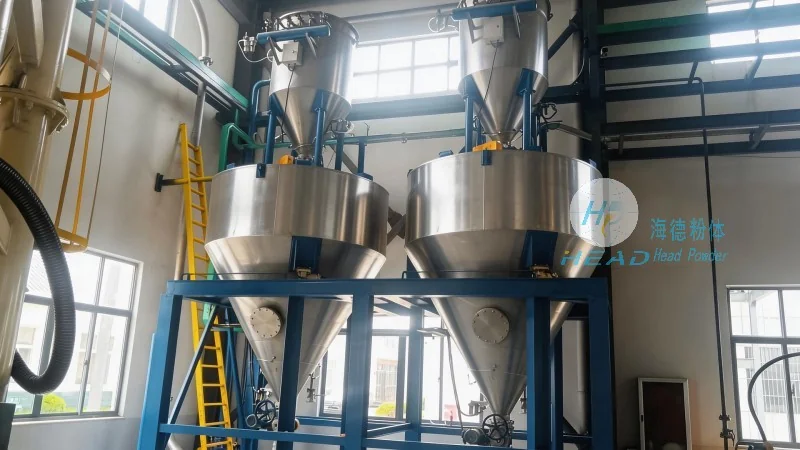
Advantages in Different Operational Environments
The effectiveness of ceramic particle pneumatic conveying systems is evident across various operational environments. In high-purity applications, such as the production of electronic ceramics or medical devices, the system's ability to minimize particle contamination is paramount. The enclosed pipeline design and advanced filtration systems prevent dust and particulate matter from entering the material stream, ensuring that the final product meets stringent quality standards. In contrast, in heavy-duty industrial settings, the system's durability and resistance to abrasion are key. The use of corrosion-resistant materials and robust components ensures that the system can withstand the harsh conditions of continuous operation with ceramic powders, which often contain abrasive particles. Moreover, the system's flexibility in handling different particle sizes—from fine powders to coarse granules—makes it suitable for a wide range of applications. This adaptability is particularly valuable in industries where material specifications change frequently, such as in research and development or custom manufacturing. The energy efficiency of the system, achieved through optimized air flow and pressure management, also contributes to lower operational costs, making it an economical choice for long-term use.