

Principle and Working Scene Characteristics of Copper Oxide Pneumatic Conveying Equipment
For industrial applications involving the handling of copper oxide, efficient and reliable material transport is crucial. Pneumatic conveying systems offer a solution that combines precision, flexibility, and safety in material handling. This article explores the fundamental principles behind copper oxide pneumatic conveying equipment, alongside the specific characteristics of its operational environments.
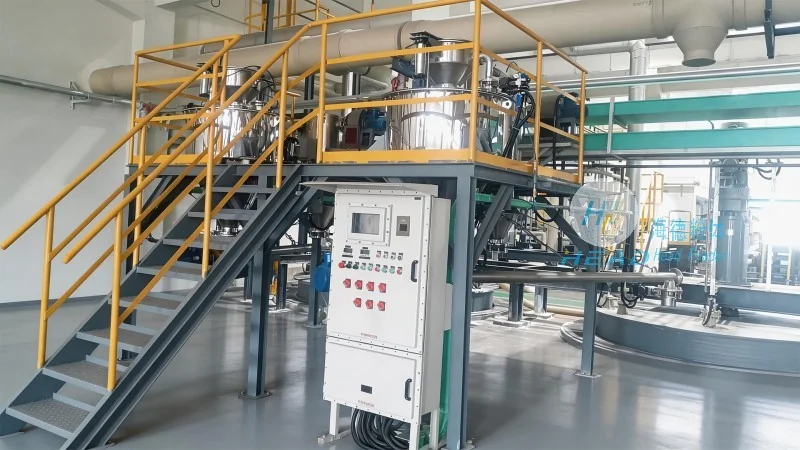
The Core Principles of Pneumatic Conveying for Copper Oxide
The operation of copper oxide pneumatic conveying equipment is based on the fundamental principle of transporting particulate materials using a stream of air or gas. This method eliminates the need for mechanical components like belts or buckets, reducing friction and wear while maintaining high material integrity. The system typically consists of a hopper for material storage, a conveying line where the material is propelled by air pressure, and a collection point for the delivered material. The choice of conveying type—such as dilute phase or dense phase—depends on the particle size, density, and the required distance of transport. For copper oxide, which often has a fine to medium particle size, a dilute phase system is commonly employed, where the material is suspended in the air stream, ensuring minimal degradation and consistent flow.
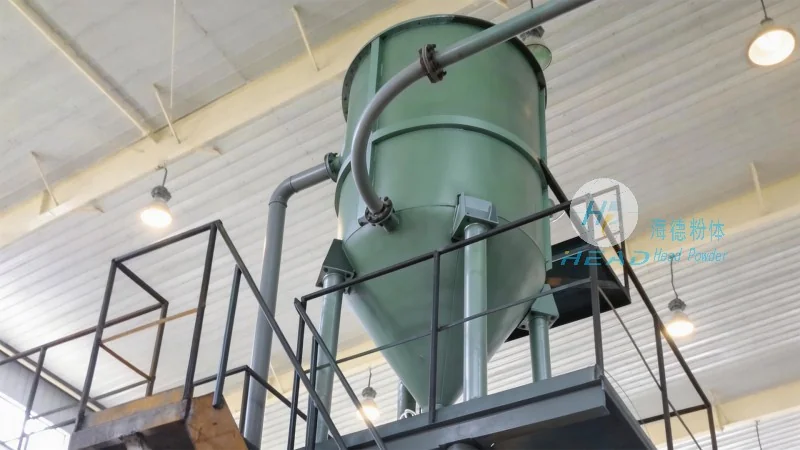
Key Working Scene Characteristics
The working scene characteristics of copper oxide pneumatic conveying equipment are tailored to the specific demands of industrial processes. These include: Environmental Control, as copper oxide can be sensitive to moisture or contamination, requiring sealed systems to maintain material purity; Space Efficiency, as pneumatic systems can be installed in compact areas without the need for extensive infrastructure; and Process Integration, where the equipment can be seamlessly integrated with other industrial processes, such as mixing, drying, or packaging, to form a streamlined production line. Additionally, the equipment is designed to handle varying material flow rates, from low to high throughput, making it adaptable to different production scales.
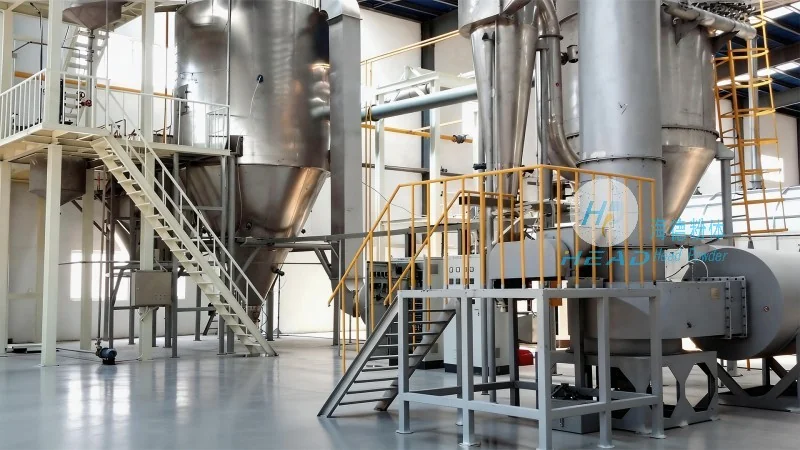
Application Scenarios in Industrial Settings
Copper oxide pneumatic conveying equipment is widely used in various industrial sectors, including mining, chemical processing, and manufacturing. In mining operations, it is employed to transport copper oxide ore from extraction sites to processing facilities, ensuring a continuous and efficient supply of raw material. In chemical plants, the equipment is used to convey copper oxide as a raw material for the production of pigments, catalysts, or other chemical products, where precise dosing and minimal material loss are critical. Manufacturing industries also utilize these systems for the handling of copper oxide in the production of electronic components or batteries, where the material's purity and consistency are paramount.
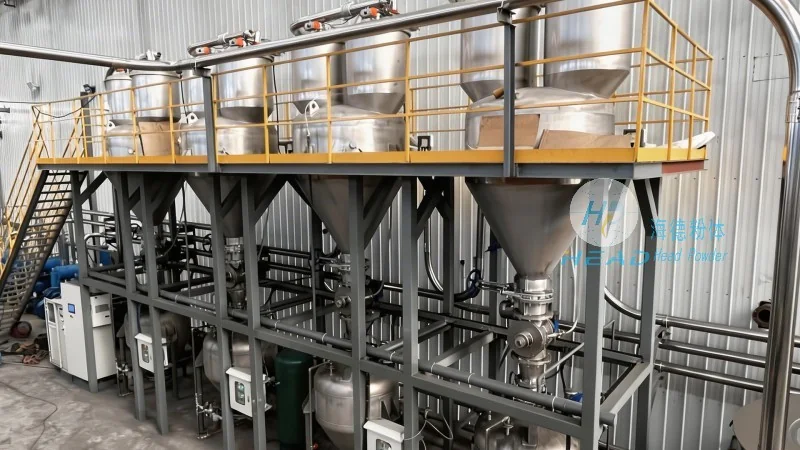
About Shandong HeadPowder Engineering Co., Ltd.
Shandong HeadPowder Engineering Co., Ltd., operating under the brand name HeadPowder, specializes in the design, manufacturing, and supply of advanced pneumatic conveying solutions. With a focus on industrial material handling, the company provides customized equipment tailored to the unique requirements of clients, including those working with copper oxide and other fine particulate materials. HeadPowder's facilities are located in Shandong, China, where the company leverages local expertise and resources to deliver high-quality products and services. The company's commitment to innovation and customer satisfaction ensures that its equipment meets the highest standards of performance and reliability in industrial applications.