

Principle and Working Scene Characteristics of Boron Nitride Pneumatic Conveying Equipment
Boron nitride (BN) is a versatile ceramic material widely used in various industrial applications due to its excellent thermal stability, chemical inertness, and lubricating properties. The pneumatic conveying equipment designed for handling BN powder is a critical component in processing facilities that require efficient and safe material transport. This article explores the fundamental principles behind BN pneumatic conveying systems and highlights the key working scene characteristics that define their operational effectiveness.
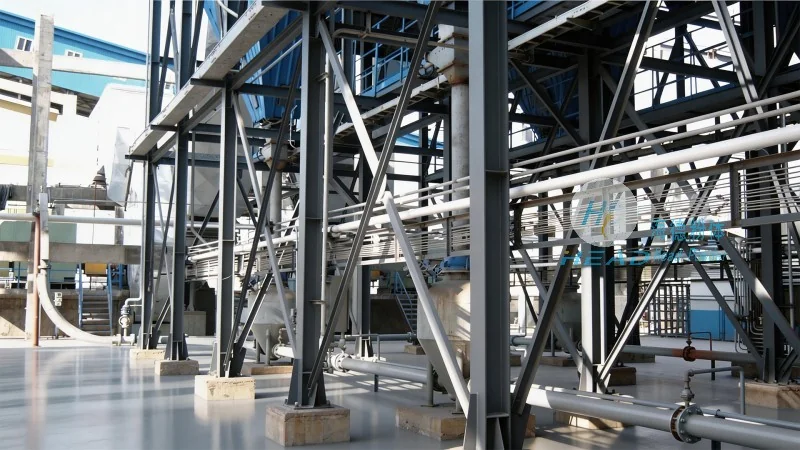
Company Overview: Shandong HeadPowder Engineering Co., Ltd.
HeadPowder, the manufacturer of these advanced pneumatic conveying solutions, is a leading enterprise based in Shandong, China. With a strong commitment to technological innovation and quality assurance, the company specializes in developing customized material handling equipment tailored to the unique needs of the ceramic and powder processing industries. The company’s facilities and expertise ensure that each BN pneumatic conveying system is engineered to meet stringent industry standards while delivering optimal performance and reliability.
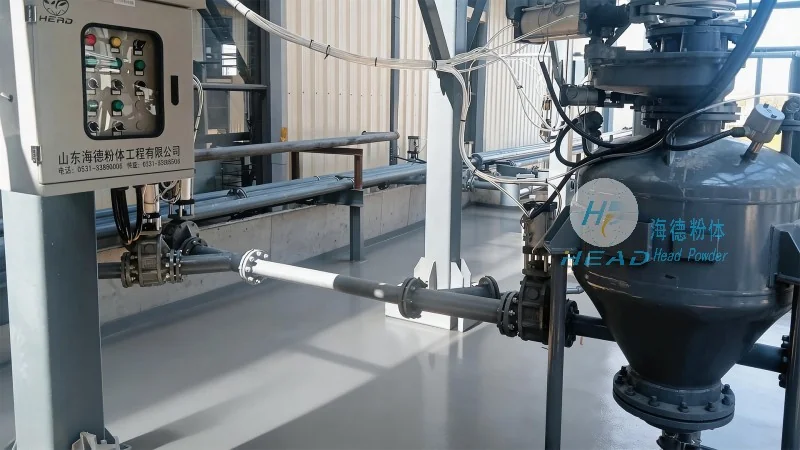
Principle of Pneumatic Conveying for Boron Nitride
The core principle of pneumatic conveying involves the use of compressed air or other gases to transport solid particles through a pipeline. In the case of boron nitride, the equipment operates by creating a controlled airflow that lifts and propels the powder from the source to the destination. The system typically consists of a hopper for material storage, a feeder to control the flow rate, a pipeline network, and a receiver for the discharged material. The design of the conveying system is optimized to maintain the integrity of the BN particles, preventing agglomeration and ensuring consistent flow rates. Key factors such as air velocity, particle size, and moisture content are carefully managed to achieve efficient and reliable transport. The pneumatic conveying method offers advantages over traditional mechanical systems, including reduced maintenance, lower risk of contamination, and the ability to handle abrasive or sensitive materials like BN without damage.
Working Scene Characteristics of BN Pneumatic Conveying Equipment
The operational characteristics of BN pneumatic conveying equipment are tailored to the specific requirements of industrial applications. These systems are designed to handle varying particle sizes, from fine powders to larger granules, ensuring versatility across different processing stages. The equipment is capable of operating in both positive and negative pressure modes, allowing for flexible integration into existing production lines. In positive pressure systems, air is forced through the pipeline, pushing the material forward, while negative pressure systems use suction to draw the material into the pipeline. The choice of mode depends on factors such as the distance between the source and destination, the material's density, and the need to minimize dust emissions. Another critical characteristic is the system's ability to handle high temperatures, as BN is often processed at elevated temperatures during manufacturing. The equipment is constructed with materials that can withstand thermal stress, ensuring long-term durability and performance. Additionally, the design incorporates features to control dust and prevent environmental contamination, aligning with modern industrial safety and environmental regulations.
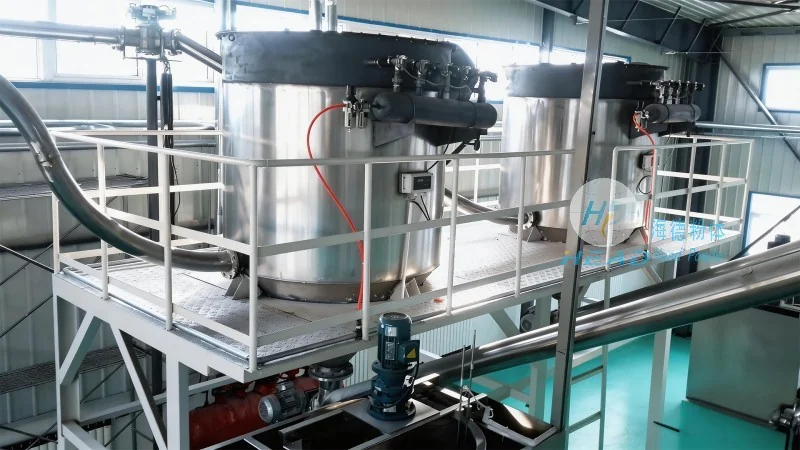
Applications and Performance in Real-World Scenarios
Boron nitride pneumatic conveying equipment is widely utilized in various industrial sectors, including electronics, aerospace, and high-temperature ceramics. In the electronics industry, BN is used as a dielectric material in capacitors and insulators, and the conveying system ensures that the powder is delivered to production lines without contamination. In aerospace applications, BN is employed in thermal protection systems, and the equipment facilitates the transport of high-purity BN powders to manufacturing facilities. The performance of these systems is evaluated based on key metrics such as conveying capacity, pressure drop, and material recovery rate. HeadPowder's equipment is engineered to deliver high conveying capacities while maintaining low pressure drops, minimizing energy consumption. The material recovery rate is optimized to reduce waste and improve overall efficiency. Real-world scenarios demonstrate that the BN pneumatic conveying systems are reliable and efficient, with minimal downtime and maintenance requirements. The systems are also designed for easy integration into existing plants, allowing for seamless upgrades or expansions without disrupting production.