

Principle and Working Scene Characteristics of Dry Sludge Pneumatic Conveying Equipment
HeadPowder, a leading manufacturer based in Shandong, China, specializes in the design and production of advanced dry sludge pneumatic conveying equipment. This article explores the fundamental principles behind such systems and highlights the key characteristics of their operational environments.
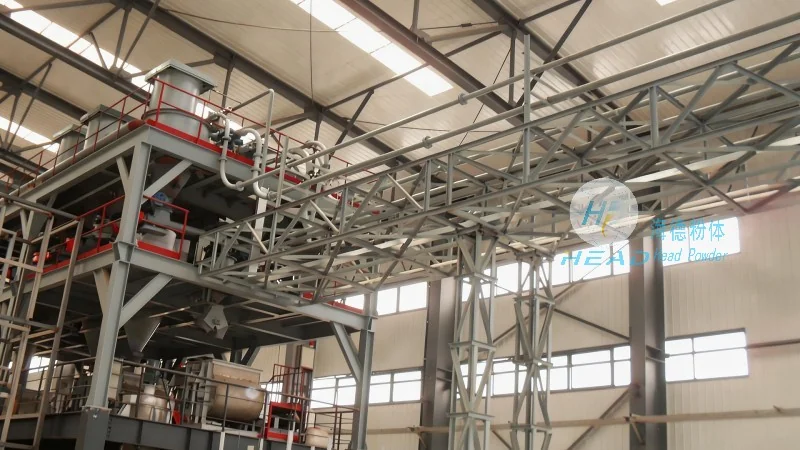
Understanding the Core Principles of Dry Sludge Pneumatic Conveying
Dry sludge pneumatic conveying systems operate on the principle of transporting dry, particulate materials through a pipeline using a gas stream, typically air or other gases. Unlike traditional wet sludge handling methods, this technology enables the efficient and environmentally friendly transfer of dry sludge from one location to another. The process involves creating a pressure differential within the pipeline, either by injecting air under pressure (positive pressure system) or by creating a vacuum (negative pressure system) to draw the sludge particles along with the gas flow.
The equipment typically consists of a sludge feeding mechanism, a conveying pipeline, a gas supply system, and a separation or discharge unit. The sludge, often in a granular or powdery form after dewatering, is introduced into the pipeline where it is entrained by the high-velocity gas stream. The gas-solid mixture travels through the pipeline, and at the receiving end, the gas is separated from the sludge, allowing the dry sludge to be deposited in the desired location. This method eliminates the need for water in the transport process, reducing the volume of waste water and minimizing environmental impact.
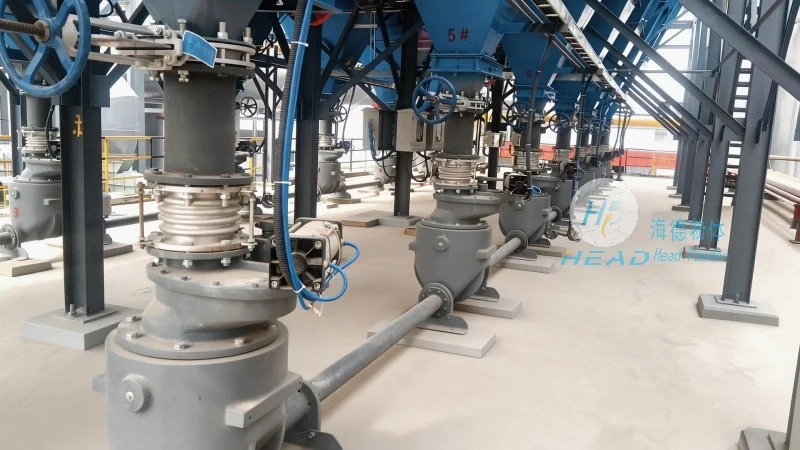
Key Working Scene Characteristics and Applications
The operational characteristics of dry sludge pneumatic conveying equipment are tailored to meet the demands of various industrial and municipal applications. In wastewater treatment facilities, these systems are commonly used to transport dewatered sludge from digesters or thickening tanks to storage or disposal sites. The ability to handle dry sludge without the need for additional water makes this method particularly suitable for facilities aiming to reduce water usage and operating costs.
In the chemical and petrochemical industries, dry sludge pneumatic conveying is employed to transfer solid waste materials, such as spent catalysts or filter cakes, from processing units to disposal or recycling facilities. The high efficiency and low maintenance requirements of these systems contribute to improved operational reliability in demanding industrial environments.
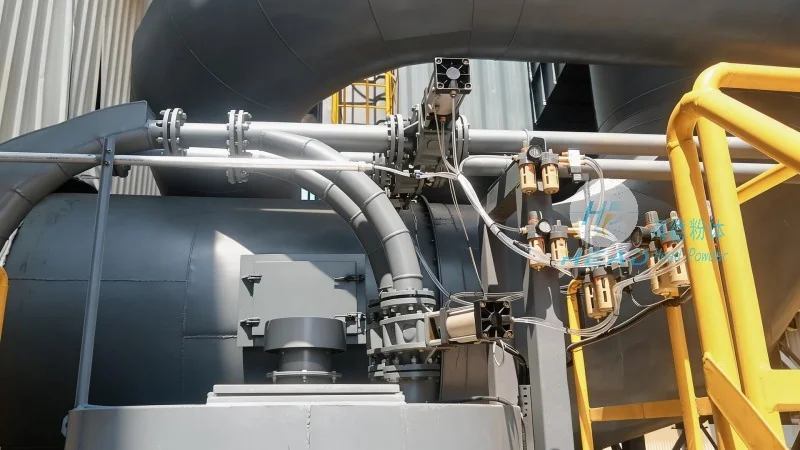
Additionally, in mining and mineral processing operations, similar pneumatic conveying technologies are utilized to transport dry tailings or ore residues. The flexibility of these systems allows for the adaptation to varying particle sizes and flow rates, ensuring consistent performance across different mining sites.
Advantages and Performance Metrics in Practical Scenarios
When deployed in real-world scenarios, dry sludge pneumatic conveying equipment offers several advantages that make it a preferred choice for many industries. One of the primary benefits is the significant reduction in water usage compared to traditional sludge handling methods. This not only lowers operational costs but also minimizes the environmental footprint by reducing the volume of wastewater that requires treatment.
Another key characteristic is the ability to achieve long-distance transport with minimal energy consumption. The efficiency of the gas-solid flow dynamics allows for the movement of sludge over several kilometers with relatively low power input, making it suitable for large-scale facilities where the sludge source and disposal site are far apart.
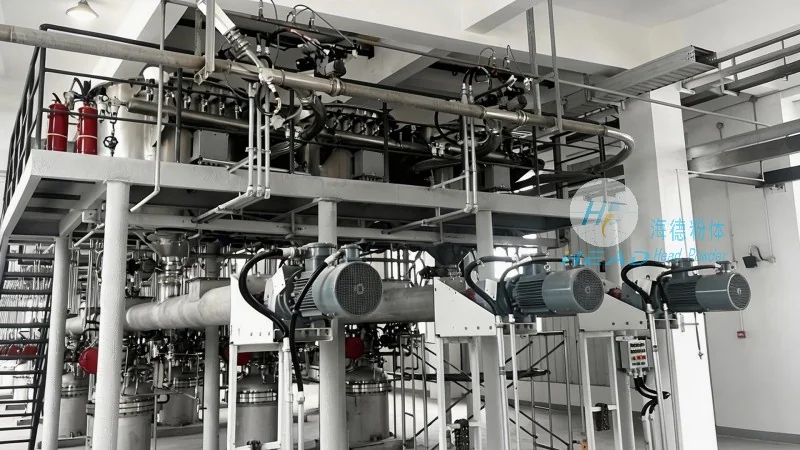
Furthermore, the system's design ensures low maintenance requirements and high operational reliability. The absence of moving parts in the conveying line reduces the risk of mechanical failure, while the separation units are engineered to handle the abrasive nature of dry sludge particles, extending the equipment's service life.
Conclusion: The Role of HeadPowder in Advancing Dry Sludge Handling Technology
HeadPowder Engineering Co., Ltd., with its headquarters in Shandong, China, continues to innovate in the field of dry sludge pneumatic conveying equipment. By leveraging advanced engineering and material science, the company provides customized solutions that meet the specific needs of various industries. The principles and operational characteristics discussed in this article underscore the effectiveness of dry sludge pneumatic conveying as a sustainable and efficient method for sludge transport, contributing to the overall improvement of industrial and municipal waste management practices.