

Principle and Working Scene Characteristics of Dry Limestone Pneumatic Conveying Equipment
Shandong HeadPowder Engineering Co., Ltd., commonly known as HeadPowder, is a professional manufacturer specializing in the design, development, and production of pneumatic conveying equipment. HeadPowder is headquartered in Shandong, China, and has established a strong reputation in the industry for delivering high-quality solutions tailored to diverse material handling needs.
Principle of Dry Limestone Pneumatic Conveying Equipment
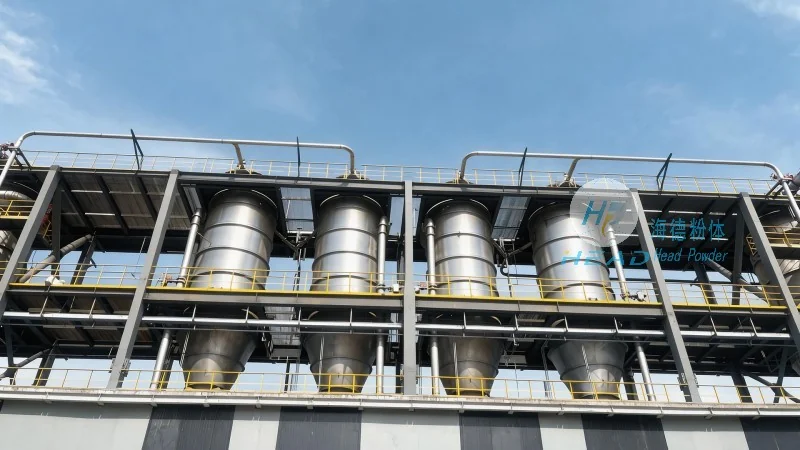
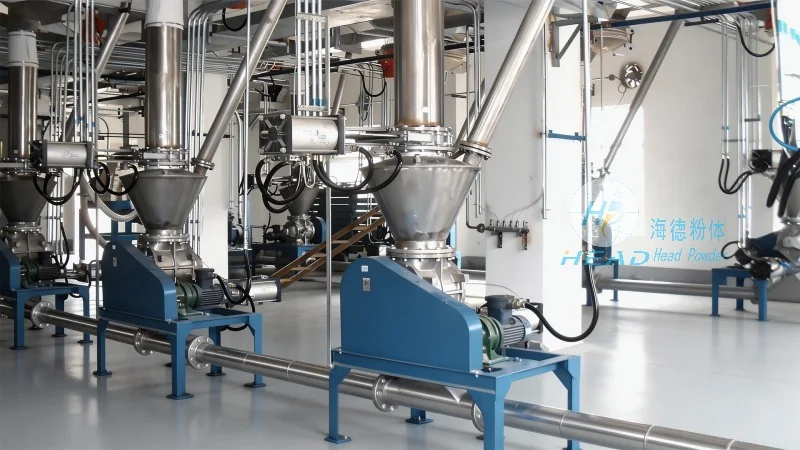
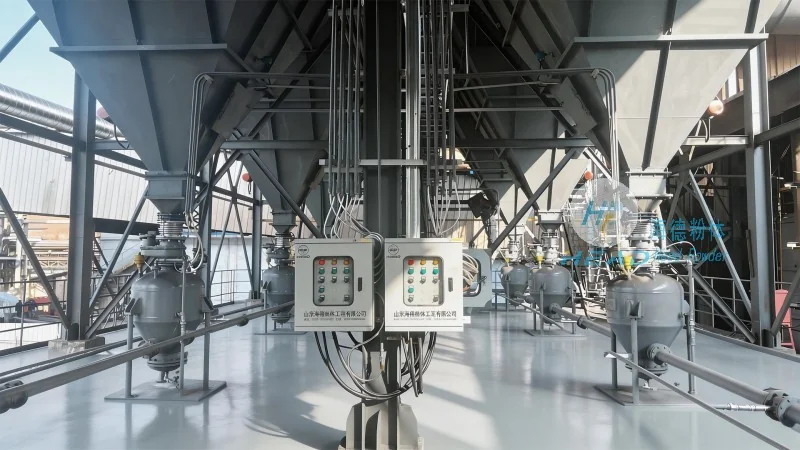
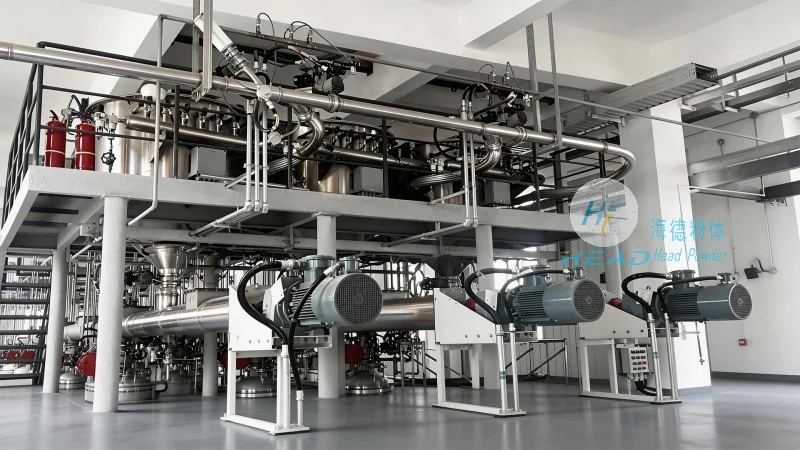
Dry limestone pneumatic conveying equipment operates on the fundamental principle of transporting bulk materials through a pressurized or vacuum system using air or other gases. The process involves several key components and mechanisms that work in tandem to ensure efficient material movement. At its core, the system utilizes a fan or blower to generate the necessary airflow, which then propels the dry limestone particles through a pipeline network. The equipment typically includes a hopper for material storage, a feeder to control the flow rate, and a pipeline system that may incorporate bends, valves, and filters to manage the material's trajectory and prevent blockages. The design of the conveying system is optimized to maintain consistent air velocity and pressure, ensuring that the limestone particles are transported without excessive wear or degradation. This pneumatic approach offers advantages over traditional mechanical conveying methods, such as reduced equipment wear, lower maintenance requirements, and the ability to handle materials that are difficult to transport via traditional means. Specifically, the system can be configured as either a positive pressure or negative pressure system. In a positive pressure system, the fan creates an overpressure in the pipeline, pushing the material forward. This method is suitable for short to medium-distance transport and is commonly used in industrial settings where the material needs to be delivered to a specific location. In a negative pressure system, the fan creates a vacuum in the pipeline, pulling the material from the source. This approach is ideal for long-distance transport or when the material needs to be collected from multiple points. The choice between these two systems depends on factors such as the distance of transport, the material's properties, and the operational requirements of the application.
Working Scene Characteristics of Dry Limestone Pneumatic Conveying Equipment
The working scene characteristics of dry limestone pneumatic conveying equipment are tailored to the specific demands of limestone handling applications. These characteristics include high efficiency in material transport, minimal space requirements, and adaptability to various operational environments. The equipment is designed to handle dry limestone with a consistent particle size and moisture content, ensuring reliable performance. In industrial settings, such as cement production, power generation, and mining operations, the equipment operates under conditions that require precise control over material flow and pressure. The system's ability to handle large volumes of limestone quickly and safely makes it an ideal choice for applications where speed and efficiency are critical. Additionally, the equipment's modular design allows for easy integration into existing production lines, reducing downtime and enhancing overall operational flexibility. The working scene also emphasizes safety and environmental considerations, with features like dust collection systems and pressure relief valves to mitigate risks and comply with regulatory standards.