

Principle and Working Scene Characteristics of Silica Fume Pneumatic Conveying
HeadPowder, a leading provider in the field of material handling solutions, specializes in advanced pneumatic conveying systems tailored for industrial applications. This article delves into the fundamental principles of silica fume pneumatic conveying and highlights the key characteristics of its operational environments, offering insights into how such systems enhance efficiency and reliability in material transport processes.
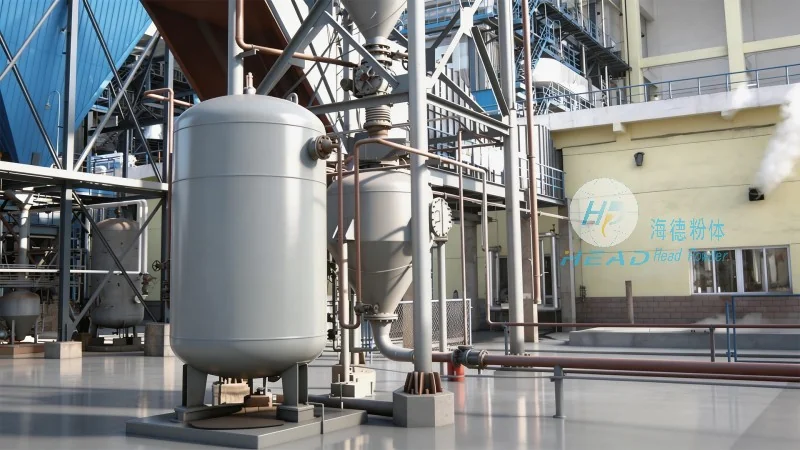
Company Overview: Shandong HeadPowder Engineering Co., Ltd.
HeadPowder, with its headquarters located in Shandong, China, is dedicated to delivering innovative engineering solutions for bulk material handling. The company's expertise lies in designing and manufacturing pneumatic conveying systems that meet the stringent requirements of various industrial sectors, including construction, chemical, and manufacturing industries. By leveraging cutting-edge technology and rigorous quality control, HeadPowder ensures that its products deliver optimal performance and durability in demanding operational conditions.
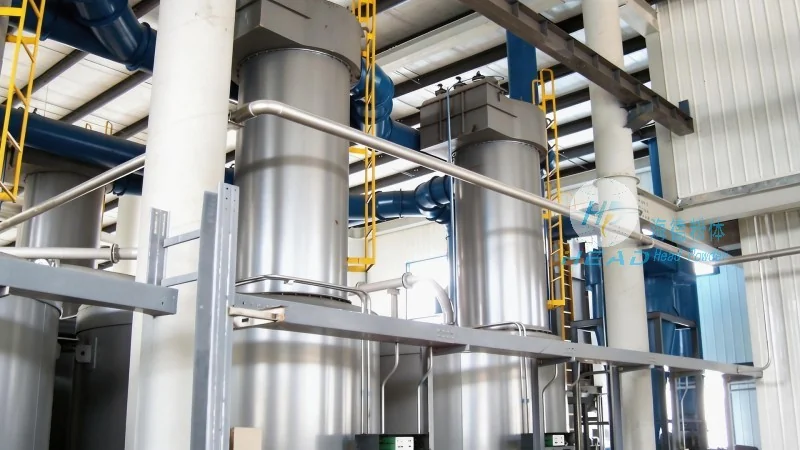
The Principle of Silica Fume Pneumatic Conveying
Silica fume, also known as microsilica, is a byproduct of silicon metal production and is widely used as a supplementary cementitious material in concrete. Pneumatic conveying is a method that utilizes compressed air to transport bulk materials like silica fume through a pipeline system. The core principle involves creating a flow of air that entrains the solid particles, moving them from the source to the destination. This process typically involves a combination of positive and negative pressure zones, with the air velocity maintained at a level sufficient to prevent particle deposition and ensure smooth transport. The system's design, including the choice of air compressor, pipeline diameter, and material feed mechanisms, is critical in optimizing the conveying efficiency and minimizing energy consumption.
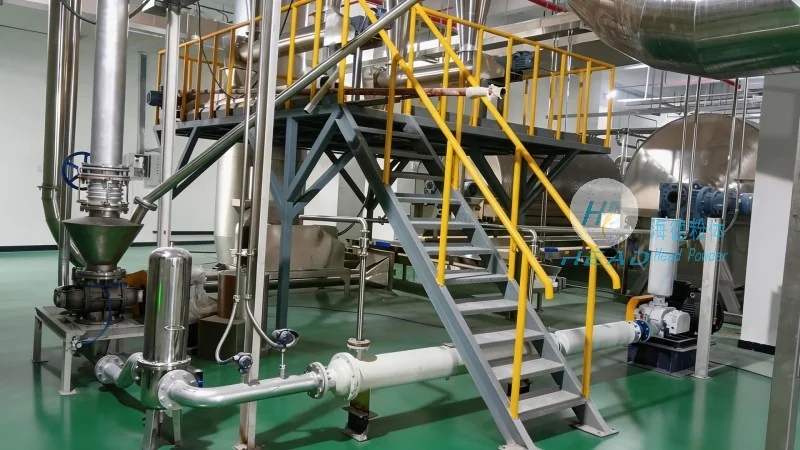
Key Working Scene Characteristics of Silica Fume Pneumatic Conveying
The operational characteristics of silica fume pneumatic conveying systems are influenced by several factors that define their suitability for specific industrial applications. First, the material's physical properties, such as particle size distribution, density, and moisture content, play a crucial role in determining the optimal conveying velocity and air pressure. Silica fume particles are typically fine and abrasive, which necessitates the use of high-quality materials for the pipeline and components to prevent wear and tear. Second, the system's scalability is a significant characteristic, as it can be designed to handle varying material flow rates, from low to high capacities, making it adaptable to different production scales. Third, the environmental considerations are vital, as the system must be equipped with dust collection and filtration systems to comply with industrial safety and environmental regulations. Additionally, the system's flexibility in integrating with existing production lines is another key characteristic, allowing for seamless integration without major modifications to the facility.
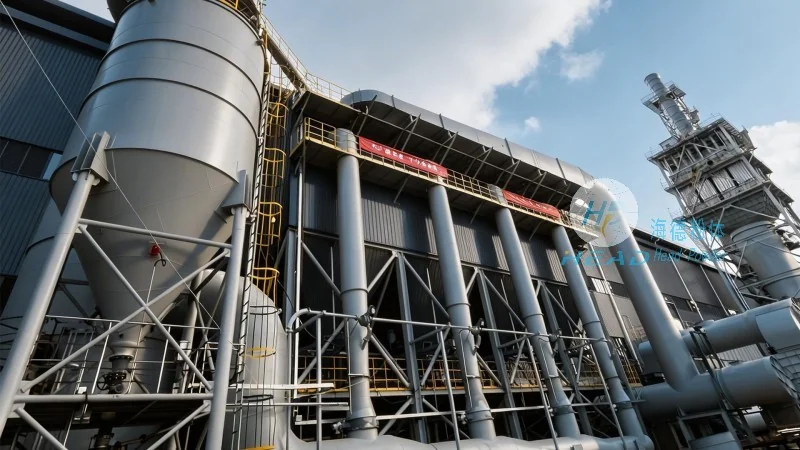
Advantages and Applications in Industrial Settings
The adoption of silica fume pneumatic conveying systems in industrial settings brings numerous advantages that enhance operational efficiency and product quality. One of the primary benefits is the reduction in material handling time and labor costs, as the automated system eliminates the need for manual loading and unloading. This leads to increased productivity and improved workflow management. Furthermore, the system's ability to maintain consistent material quality by preventing contamination and segregation is crucial in applications where the purity of silica fume is critical, such as in high-performance concrete production. The reliability of pneumatic conveying systems also contributes to reduced downtime, as they are less prone to mechanical failures compared to traditional mechanical conveying methods. In summary, the integration of advanced pneumatic conveying technology in silica fume handling provides a robust solution for modern industrial needs, aligning with the demands for efficiency, safety, and sustainability in material processing.