

Principle and Working Scene Characteristics of Quartz Powder Pneumatic Conveying
Quartz powder, a widely used industrial material, often requires efficient and reliable transportation methods for processing and distribution. Pneumatic conveying, a technology that uses air or gas to transport solid particles, has become a preferred solution for handling quartz powder due to its advantages in safety, cleanliness, and flexibility. This article explores the fundamental principles of quartz powder pneumatic conveying and highlights the key characteristics of its working scenes, providing insights into how this technology is applied in various industrial settings.
Introduction to Quartz Powder and Pneumatic Conveying
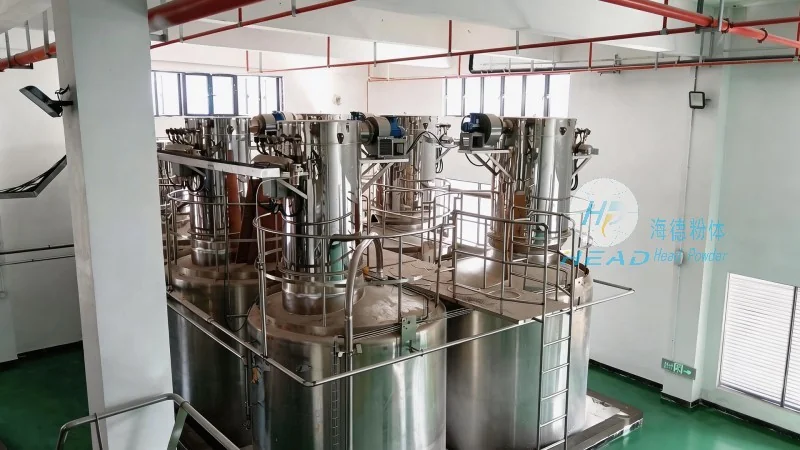
Quartz powder, derived from quartz minerals, is commonly used in industries such as ceramics, glass, electronics, and construction. Its fine particle size and abrasive nature make traditional bulk material handling methods, like belt conveyors or bucket elevators, less effective and potentially damaging to equipment. Pneumatic conveying offers a solution by transporting quartz powder in a closed system using air pressure, minimizing dust exposure and ensuring consistent material flow. The technology is based on the principle of creating a solid-gas mixture, where the powder particles are suspended and propelled by the moving air stream.
Core Principles of Quartz Powder Pneumatic Conveying
The fundamental principle of pneumatic conveying for quartz powder involves the generation of a pressure differential between the conveying line and the ambient environment. This pressure difference is achieved through either positive pressure (where air is forced into the system) or negative pressure (where air is drawn out). In positive pressure systems, a blower or compressor supplies compressed air to the material inlet, while in negative pressure systems, a vacuum pump creates a suction effect. The choice between positive and negative pressure depends on factors like the distance to be conveyed, the particle size of the quartz powder, and the desired system layout.
During the conveying process, quartz powder particles are introduced into the conveying line at the inlet, where they are mixed with the air stream. The air velocity must be sufficient to overcome the gravitational force and the drag forces acting on the particles, ensuring they remain suspended and move along the pipeline. The key parameters that affect the conveying performance include air velocity, pressure drop, and the ratio of solid to gas flow. For quartz powder, which typically has a particle size ranging from 0.1 to 100 microns, the air velocity is often optimized between 20 to 30 meters per second to maintain stable suspension and prevent particle deposition or blockage.
Working Scene Characteristics of Quartz Powder Pneumatic Conveying
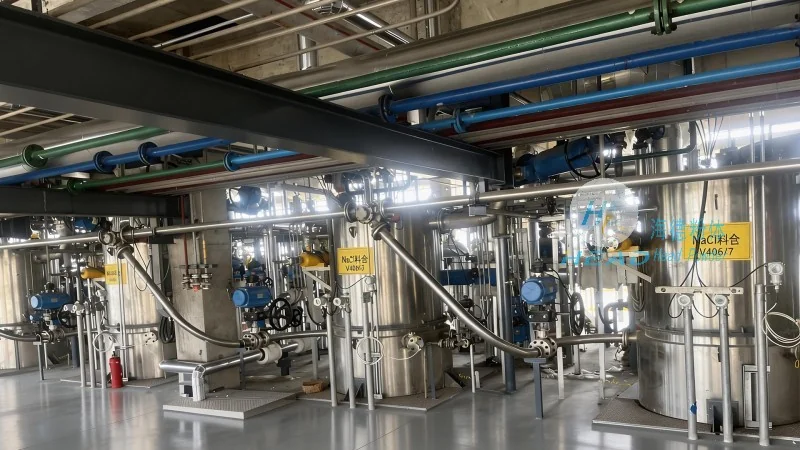
The working scene characteristics of quartz powder pneumatic conveying systems vary based on the specific application and operational requirements. These characteristics include system layout, conveying distance, material handling capacity, and environmental considerations. For instance, in a ceramic manufacturing plant, a pneumatic conveying system may be used to transport quartz powder from storage silos to mixing and grinding units, with a conveying distance of several hundred meters. The system design would need to account for the high volume of material and the need for consistent flow to maintain production efficiency.
In contrast, in a small-scale electronics component production facility, the conveying distance might be shorter, and the system could be designed as a negative pressure system to minimize the risk of dust leakage into the cleanroom environment. The working scene also includes the type of equipment used, such as rotary valves for material feeding, cyclone separators for particle separation, and filters for air purification. These components are critical to ensuring the system operates efficiently and safely, especially when handling fine quartz powder that can cause respiratory issues if inhaled.
Advantages and Challenges in Quartz Powder Pneumatic Conveying
Pneumatic conveying offers several advantages when handling quartz powder, including the ability to transport materials in a closed system, reducing dust contamination and environmental impact. It also allows for the integration of multiple processing steps, such as mixing, drying, and packaging, within a single system. Additionally, the technology is flexible and can be adapted to different production scales, from small batch operations to large-scale industrial production.
However, there are challenges associated with quartz powder pneumatic conveying. One of the main challenges is the potential for particle agglomeration, which can lead to blockages in the conveying line. This is particularly problematic for fine quartz powders with high surface area, as they tend to stick together due to electrostatic forces or moisture. Another challenge is the wear and tear on system components, such as pipelines and valves, caused by the abrasive nature of quartz particles. Proper material selection for the conveying line, such as stainless steel or special coatings, is essential to mitigate these issues and extend the system's lifespan.
Application Examples and Case Studies
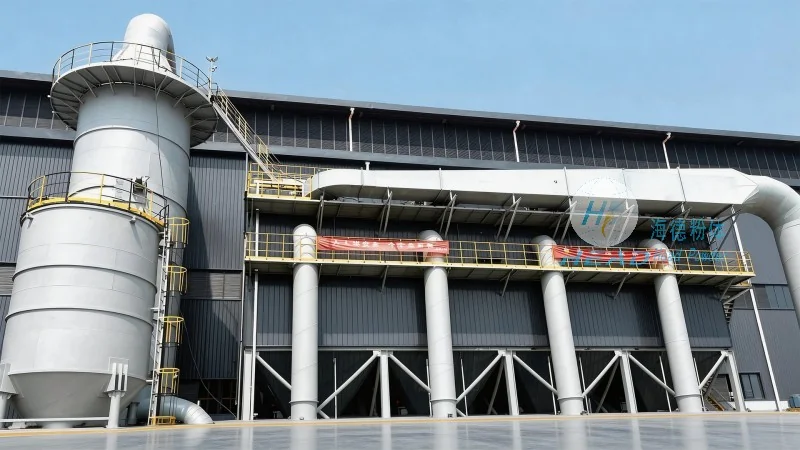
Real-world applications of quartz powder pneumatic conveying systems can be found in various industries. In the glass industry, for example, quartz powder is used as a raw material for glass production, and pneumatic conveying is used to transport it from storage to the melting furnace. The system must handle high temperatures and ensure a consistent supply of material to maintain the quality of the glass product. In the construction industry, quartz powder is used in the production of concrete and mortar, and pneumatic conveying is used to transport it to mixing plants or job sites.
Case studies have shown that well-designed pneumatic conveying systems for quartz powder can achieve high conveying efficiency, with minimal material loss and low maintenance costs. For instance, a company in Shandong, China, known as Shandong HeadPowder Engineering Co., Ltd. (HeadPowder), has developed specialized pneumatic conveying solutions for quartz powder handling. Their systems are tailored to meet the specific needs of clients, including optimizing air velocity and pressure to ensure stable conveying of fine quartz particles. The company's expertise in material handling technology has helped improve production efficiency and reduce operational costs for many industrial clients.
Conclusion
Quartz powder pneumatic conveying is a critical technology for efficient and safe handling of quartz powder in various industrial applications. By understanding the core principles of pneumatic conveying and the characteristics of different working scenes, industries can design and implement effective systems that meet their production requirements. The technology offers significant advantages over traditional bulk handling methods, particularly in terms of cleanliness, safety, and flexibility. As the demand for quartz powder continues to grow, the importance of reliable pneumatic conveying systems will only increase, making it a key component in the supply chain of many industries.