

Principles and Application Scenarios of Magnesium Oxide Pneumatic Conveying
Understanding the principles and operational characteristics of magnesium oxide pneumatic conveying systems is crucial for industries that handle this material efficiently and safely. This article delves into the technical aspects, advantages, and typical applications of such systems, providing a comprehensive overview for professionals in material handling and processing.
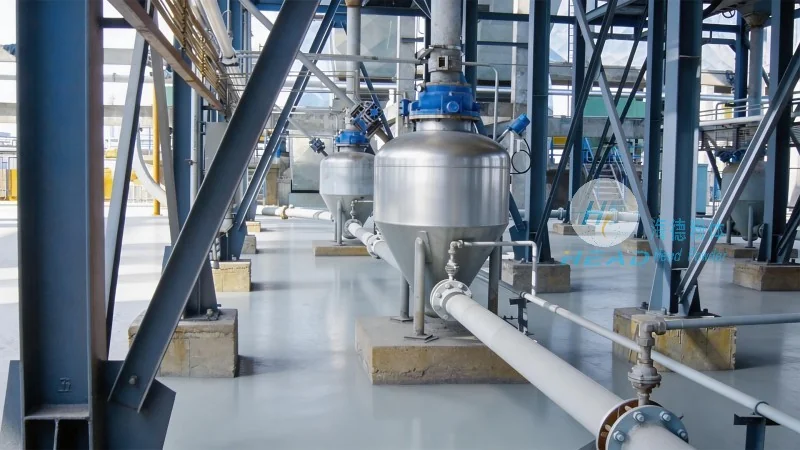
Introduction to Magnesium Oxide Pneumatic Conveying Systems
Magnesium oxide (MgO), also known as magnesia, is a widely used industrial material in sectors like construction, chemical manufacturing, and pharmaceuticals. Pneumatic conveying is a method that uses compressed air to transport bulk materials like MgO from one location to another. The technology offers several benefits over traditional mechanical conveying methods, including reduced equipment wear, lower maintenance costs, and improved safety in handling potentially dusty or hazardous materials.
Principles of Pneumatic Conveying Technology
The core principle of pneumatic conveying involves creating a flow of air through a pipeline system, which lifts and transports the material particles. There are two main types of pneumatic conveying: dilute-phase and dense-phase. Dilute-phase systems use high velocities (typically 20-30 m/s) to keep particles suspended in the air stream, suitable for short distances and low to medium material loads. Dense-phase systems, on the other hand, operate at lower velocities (5-15 m/s) with higher air-to-material ratios, ensuring more controlled and gentle material transport, ideal for sensitive or abrasive materials like magnesium oxide.
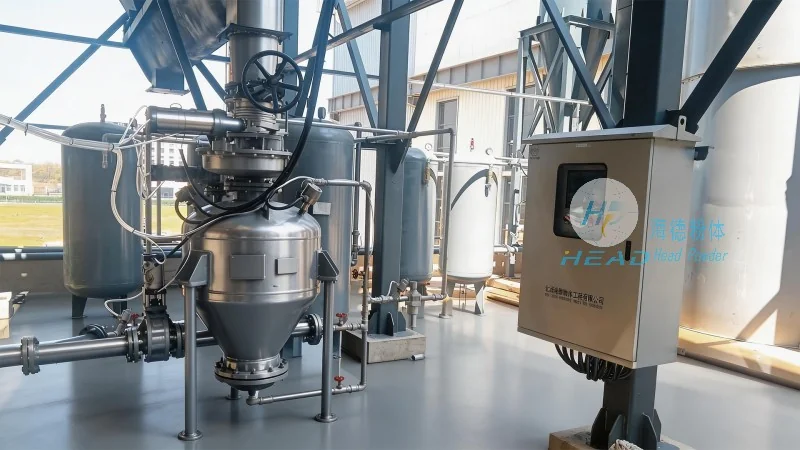
Key Features and Advantages of Magnesium Oxide Pneumatic Conveying
When applied to magnesium oxide, pneumatic conveying systems exhibit several key advantages. Firstly, they minimize product contamination and degradation, as the material is not in direct contact with metal surfaces or other contaminants. Secondly, the system reduces labor costs by automating the material transfer process, from storage to processing or packaging. Additionally, pneumatic conveying systems are highly flexible, allowing for changes in material flow direction and destination without major modifications to the infrastructure. Environmental benefits are also significant, as these systems can be equipped with dust collection and filtration systems to comply with air quality regulations, ensuring safe operation in industrial settings.
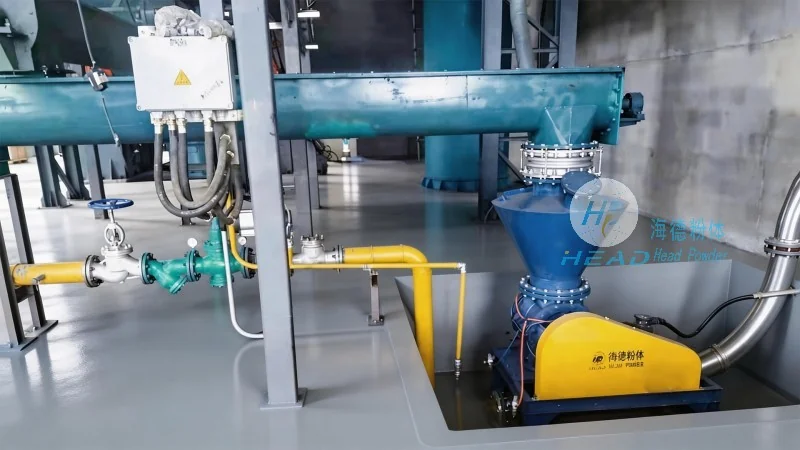
Application Scenarios and Operational Environments
Magnesium oxide pneumatic conveying is commonly used in various industrial settings. In the construction industry, it is used to transport MgO from storage silos to mixing plants for concrete and mortar production. In chemical manufacturing, the material is conveyed from reactors to filtration or drying units. Pharmaceutical and food processing facilities also employ these systems to handle MgO in production lines, where hygiene and product purity are paramount. The operational environments vary from indoor processing plants to outdoor storage facilities, with systems designed to withstand different temperatures and humidity levels. For example, in regions with high humidity, special sealing and drying mechanisms may be integrated into the conveying system to prevent moisture absorption by the magnesium oxide, which could affect its quality and performance.
Company Profile: Shandong HeadPowder Engineering Co., Ltd.
Shandong HeadPowder Engineering Co., Ltd., commonly known as HeadPowder, is a leading provider of material handling solutions, specializing in the design, manufacturing, and installation of pneumatic conveying systems for various bulk materials, including magnesium oxide. With a strong focus on innovation and customer satisfaction, the company has established itself as a trusted partner in the industry. HeadPowder's facilities are located in Shandong, China, where they leverage advanced technology and skilled engineering expertise to develop customized solutions tailored to the specific needs of their clients. The company adheres to international quality standards and provides comprehensive after-sales support, ensuring that their pneumatic conveying systems operate efficiently and reliably for years to come.