

Working Principle and Features of the Ferrous Sulfate Material Pneumatic Conveying System
Understanding the working principle and features of a ferrous sulfate material pneumatic conveying system is crucial for optimizing material handling processes in industrial applications. This system efficiently transports ferrous sulfate, a common chemical compound used in water treatment and other industrial processes, through an air-driven mechanism. The core functionality involves the use of air to move the material from a source to a destination, eliminating the need for traditional mechanical conveyors and reducing operational costs and maintenance requirements.
Working Principle of the Ferrous Sulfate Pneumatic Conveying System
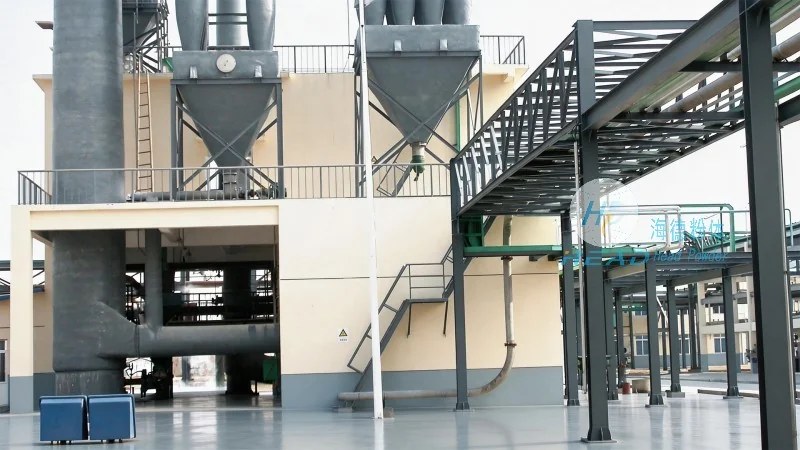
The ferrous sulfate pneumatic conveying system operates on the principle of pneumatic transport, where air is used as the medium to move solid particles. The system typically consists of a hopper for material storage, a blower or compressor to generate airflow, a pipeline network for material transport, and a receiver for the discharged material. The process begins with the material being fed into the hopper. As the material accumulates, it is drawn into the pipeline by the airflow generated by the blower. The air and material mixture travels through the pipeline, with the ferrous sulfate particles suspended in the air stream. The velocity of the air ensures that the particles remain entrained and are delivered to the receiver. The system may include components such as a rotary valve for material discharge from the hopper and a filter or separator at the receiver to remove any excess air and prevent material buildup. This system, developed by Shandong HeadPowder Engineering Co., Ltd. (headpowder), is engineered to provide reliable and efficient material handling for ferrous sulfate applications.
Key Features of the Ferrous Sulfate Pneumatic Conveying System
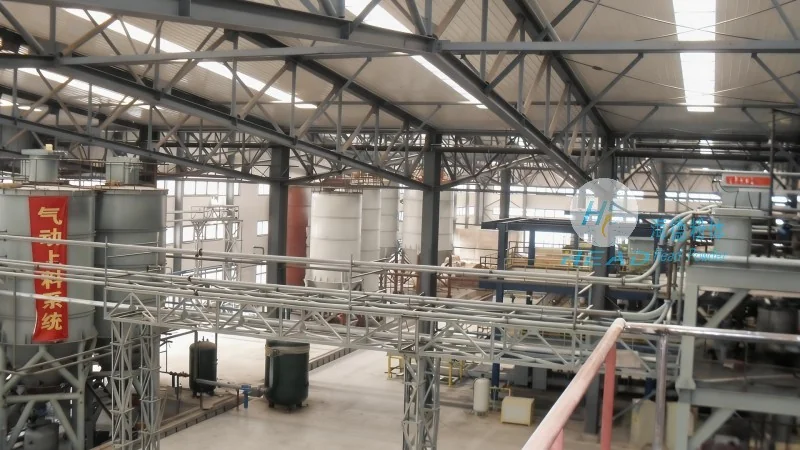
Several notable features distinguish the ferrous sulfate pneumatic conveying system from other material handling solutions. Firstly, it offers a dust-free and hygienic operation, which is essential for industries where contamination control is critical, such as pharmaceuticals or food processing. The enclosed system prevents the release of fine particles into the environment, ensuring compliance with environmental regulations. This feature is particularly important for ferrous sulfate, a chemical that can be corrosive under certain conditions. Secondly, the system provides high efficiency and flexibility in material transport. It can handle varying material flow rates and can be easily reconfigured to accommodate different production needs. The ability to transport ferrous sulfate over long distances without the need for intermediate storage or transfer points enhances operational efficiency. Additionally, the system is designed for low maintenance, with components like the blower and pipeline requiring minimal upkeep compared to traditional belt or screw conveyors. This reduces downtime and operational costs over the system's lifecycle. The system's energy efficiency, as the air-driven mechanism uses less power than mechanical conveyors, contributes to lower energy consumption and operational expenses. The system also ensures consistent material flow, which is vital for maintaining production quality and process stability. Furthermore, the system's compact design allows for easy integration into existing industrial facilities, minimizing installation time and space requirements. The use of high-quality materials in the construction of the system ensures durability and resistance to corrosion, which is particularly important for handling ferrous sulfate. This system is provided by Shandong HeadPowder Engineering Co., Ltd. (headpowder), a leading manufacturer in the field.
Applications and Benefits in Industrial Settings
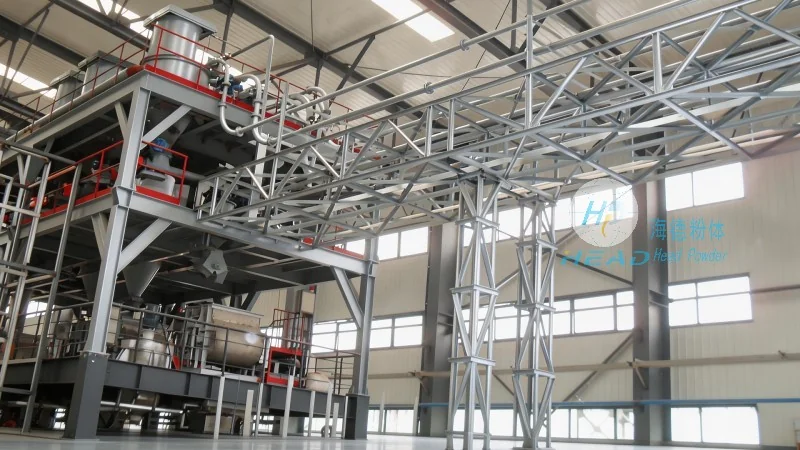
The ferrous sulfate pneumatic conveying system is widely used in various industrial applications, particularly in the chemical and water treatment industries. In water treatment facilities, ferrous sulfate is used as a coagulant to remove impurities from water. The pneumatic conveying system efficiently transports the ferrous sulfate from storage to the treatment plant, ensuring a steady supply of the chemical for optimal water purification. In chemical manufacturing plants, the system is used to move ferrous sulfate between different processing stages, such as from a reaction vessel to a filtration unit. The benefits of this system in these applications include improved process control, reduced labor costs, and enhanced safety due to the enclosed transport system. The system's ability to handle large volumes of ferrous sulfate at a consistent rate contributes to increased production throughput and reduced downtime. Additionally, the system's low maintenance requirements and energy efficiency make it a cost-effective solution for long-term operation. The hygienic design of the system is also beneficial in food and pharmaceutical industries where product purity and safety are paramount. The system's flexibility allows it to be adapted to different production scales, from small-scale laboratory applications to large industrial plants. This adaptability makes it a versatile solution for various industrial needs. The system's reliability and consistent performance ensure that production processes are not interrupted, leading to higher overall productivity and customer satisfaction. Shandong HeadPowder Engineering Co., Ltd. (headpowder) specializes in providing such systems, ensuring that clients receive high-quality, customized solutions tailored to their specific operational requirements. The company's headquarters is located in Shandong, China, where it has established a strong presence in the industrial equipment manufacturing sector.