

Working Principle and Features of Carbon Fiber Material Pneumatic Conveying Systems
Carbon fiber materials are widely used in modern manufacturing due to their exceptional strength-to-weight ratio and high thermal stability. Efficient handling and transportation of these materials are critical for maintaining product quality and operational efficiency. Pneumatic conveying systems offer a reliable solution for transporting carbon fiber powders and fibers, ensuring minimal material degradation and consistent flow rates. This article explores the working principle and key features of carbon fiber material pneumatic conveying systems, highlighting their benefits and practical applications.
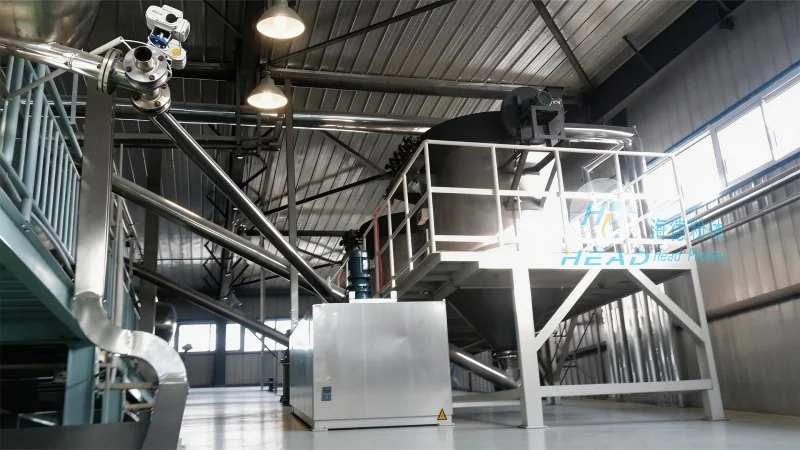
Overview of Carbon Fiber Material Pneumatic Conveying Systems
Pneumatic conveying systems are designed to transport bulk materials, such as carbon fiber powders or short fibers, using a stream of air or other gas. These systems are particularly suitable for carbon fiber materials because they can handle abrasive particles without causing significant wear on equipment components. The core components of a typical carbon fiber pneumatic conveying system include a material hopper, a conveying line, a dust collector, and a control system. The material hopper stores the carbon fiber, while the conveying line transports it from the hopper to the destination point. A dust collector is integrated to capture any airborne particles and maintain a clean working environment. The control system manages the flow rate and pressure of the conveying air, ensuring optimal performance.
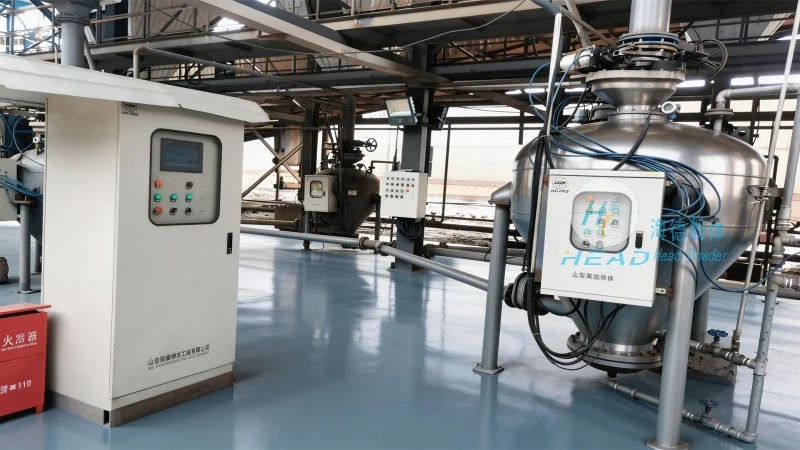
Working Principle of Carbon Fiber Material Pneumatic Conveying Systems
The working principle of a carbon fiber material pneumatic conveying system involves creating a pressure differential between the material hopper and the destination point. The system operates by introducing compressed air into the conveying line, which generates a flow that draws the carbon fiber particles from the hopper. There are two main types of pneumatic conveying systems: pressure and vacuum. In a pressure system, compressed air is introduced at the hopper end, pushing the material through the line. In a vacuum system, a vacuum is created at the destination end, pulling the material from the hopper. For carbon fiber materials, pressure systems are often preferred as they provide more consistent flow rates and better control over particle movement. The system uses specialized equipment, such as rotary valves and airlocks, to regulate the flow of carbon fiber and prevent clogging. The air velocity in the conveying line is carefully controlled to ensure that the carbon fiber particles are transported without excessive wear or degradation. This is crucial for maintaining the high quality of carbon fiber, which is sensitive to mechanical stress and temperature changes.
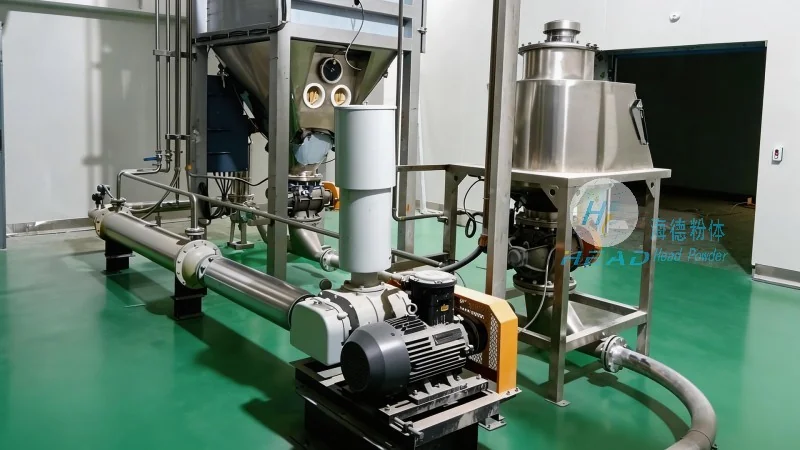
Key Features of Carbon Fiber Material Pneumatic Conveying Systems
Carbon fiber material pneumatic conveying systems are characterized by several key features that make them ideal for handling these specialized materials. One of the primary features is their ability to handle abrasive and lightweight particles without causing significant wear on the system components. The conveying lines are typically made of materials such as stainless steel or high-grade plastic, which resist corrosion and abrasion from carbon fiber particles. Another important feature is the system's low maintenance requirements. The use of air as the conveying medium reduces the need for regular cleaning and maintenance compared to mechanical conveying systems. Additionally, pneumatic conveying systems offer excellent control over the flow rate and pressure, allowing for precise delivery of carbon fiber to the processing equipment. The integration of a dust collector ensures that the working environment remains clean and safe, reducing the risk of respiratory issues associated with carbon fiber dust. The control system provides real-time monitoring of the system's performance, allowing operators to adjust parameters as needed to maintain optimal operation. This level of control is essential for maintaining the quality of carbon fiber products, which are used in high-performance applications such as aerospace and automotive industries.
Benefits and Applications of Carbon Fiber Material Pneumatic Conveying Systems
The adoption of carbon fiber material pneumatic conveying systems brings several benefits to manufacturing processes. These systems enhance operational efficiency by reducing the time and labor required for material handling. By automating the transportation of carbon fiber, manufacturers can improve production throughput and reduce the risk of material loss or contamination. The systems also contribute to cost savings by minimizing equipment wear and maintenance costs. Furthermore, the consistent flow rates and controlled pressure ensure that the carbon fiber particles are delivered to the processing equipment in a uniform manner, improving the quality of the final products. Carbon fiber material pneumatic conveying systems are widely used in industries such as aerospace, automotive, and sports equipment manufacturing. In aerospace applications, these systems are used to transport carbon fiber composites for aircraft components, where high strength and lightweight properties are critical. In automotive manufacturing, they are used to handle carbon fiber parts for high-performance vehicles, ensuring that the parts are delivered to the assembly line without damage. In sports equipment manufacturing, they are used to transport carbon fiber powders for the production of tennis rackets, bicycles, and other high-performance gear. The systems are also used in research and development facilities to handle small quantities of carbon fiber for testing and prototyping purposes.
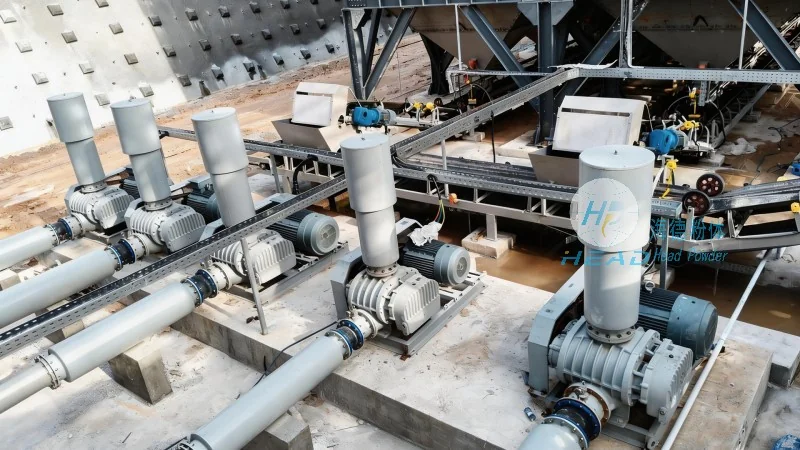
Conclusion
Carbon fiber material pneumatic conveying systems are an essential component of modern manufacturing processes, providing efficient and reliable transportation of these high-performance materials. The working principle, which involves creating a pressure differential using compressed air, ensures consistent flow rates and minimal material degradation. Key features such as abrasion resistance, low maintenance, and precise control make these systems ideal for handling carbon fiber powders and fibers. The benefits of using pneumatic conveying systems include improved operational efficiency, cost savings, and enhanced product quality. As the demand for carbon fiber materials continues to grow in various industries, the importance of reliable material handling systems will only increase. Companies like Shandong HeadPowder Engineering Co., Ltd. play a crucial role in providing advanced pneumatic conveying solutions tailored to the specific needs of carbon fiber manufacturers, ensuring that these materials are handled safely and efficiently throughout the production process.