

Working Principle and Features of a Potassium Chloride Powder Pneumatic Conveying System
For industrial applications involving the handling of potassium chloride powder, efficient and reliable material transport is crucial. A pneumatic conveying system designed specifically for this purpose offers a solution that combines performance with operational advantages. This article explores the working principle and key features of such a system, highlighting its relevance for companies like Shandong HeadPowder Engineering Co., Ltd., a leading provider in the field.
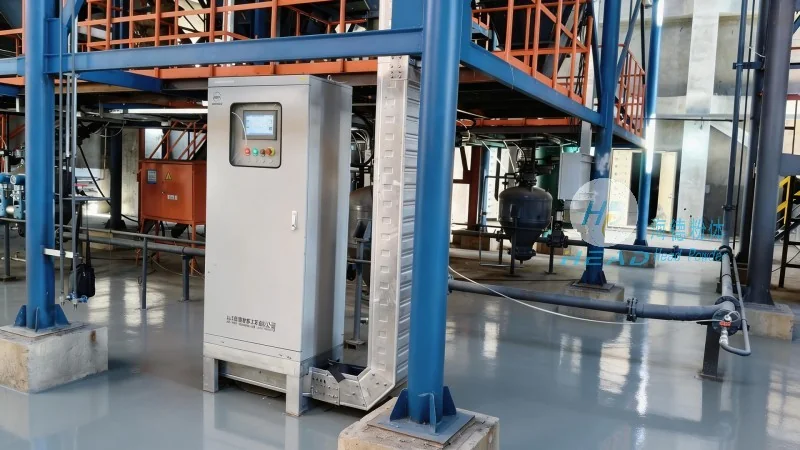
The core of a potassium chloride powder pneumatic conveying system lies in its ability to transport bulk material through a pressurized air stream. The system typically operates by drawing the powder from a storage hopper or silo and introducing it into a pipeline where it is mixed with compressed air. As the air flows through the system, it entrains the powder particles, creating a slurry-like mixture that moves from the source to the destination point. This process eliminates the need for mechanical components like belts or buckets, reducing maintenance requirements and enhancing safety in the workplace.
One of the primary advantages of this type of system is its flexibility in handling varying particle sizes and moisture content of potassium chloride. The pneumatic conveying method can accommodate different flow rates and distances, making it suitable for both short-distance and long-distance transport. Additionally, the system can be configured to handle multiple material streams simultaneously, improving overall operational efficiency. The absence of moving parts also minimizes the risk of material contamination, which is critical for applications where product purity is paramount.

Another notable feature is the system's energy efficiency. By utilizing compressed air as the primary driving force, the system reduces energy consumption compared to traditional mechanical conveying systems. This not only lowers operational costs but also aligns with sustainability goals in industrial operations. The design allows for easy integration with existing infrastructure, making it a viable upgrade for companies looking to modernize their material handling processes.
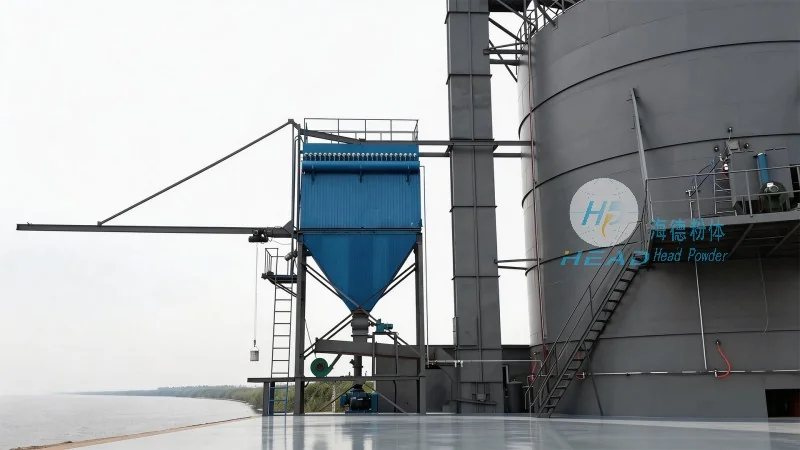
From a practical standpoint, the system's reliability and durability are key considerations. Components such as air compressors, cyclone separators, and dust collectors are engineered to withstand the abrasive nature of potassium chloride particles, ensuring long-term performance. Regular maintenance, including filter changes and system checks, is recommended to maintain optimal operation. The system's modular design also facilitates easy expansion or modification as production needs evolve.
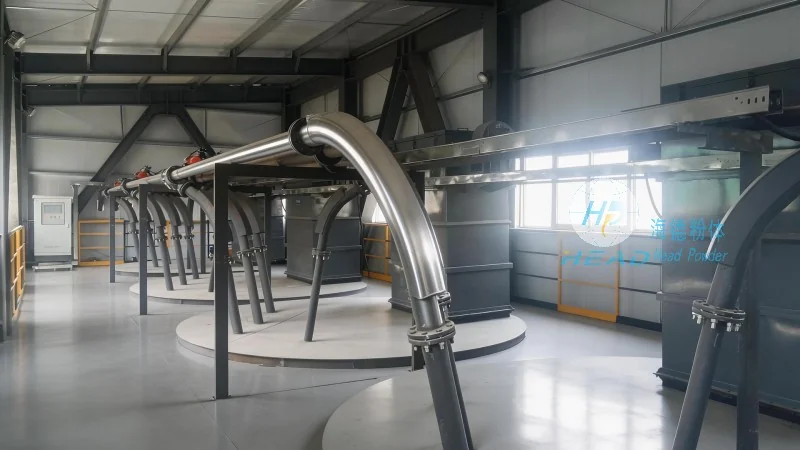
Shandong HeadPowder Engineering Co., Ltd., with its headquarters in Shandong, China, specializes in developing and manufacturing advanced pneumatic conveying solutions tailored to the needs of the chemical and mining industries. The company's expertise in material handling technology ensures that their systems are optimized for efficiency, safety, and cost-effectiveness. By leveraging their experience, companies can enhance their operational capabilities and improve the overall productivity of their potassium chloride processing facilities.
In conclusion, a potassium chloride powder pneumatic conveying system represents a sophisticated approach to material transport, offering benefits such as reduced maintenance, improved safety, and enhanced flexibility. For businesses operating in the potassium chloride sector, investing in such a system can lead to significant operational improvements and long-term cost savings. With companies like Shandong HeadPowder Engineering Co., Ltd. providing reliable solutions, the adoption of pneumatic conveying technology continues to grow as the industry seeks more efficient and sustainable methods for material handling.