

Working Principle and Features of Sodium Chlorate Powder Pneumatic Conveying System
HeadPowder, a leading engineering company based in Shandong, China, specializes in the design and implementation of advanced material handling solutions. This article focuses on the working principle and key characteristics of the sodium chlorate powder pneumatic conveying system, a critical technology for efficient and safe transportation of this hazardous material.
Working Principle of the Pneumatic Conveying System
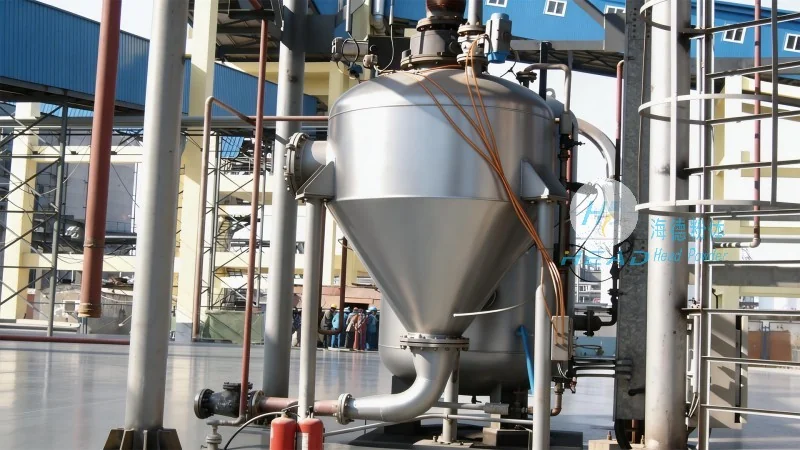
The sodium chlorate powder pneumatic conveying system operates on the principle of using compressed air to transport dry powder materials through a pipeline network. The system typically consists of a hopper for material storage, a rotary valve for controlled discharge, a conveying line, and a receiver for material deposition. The process begins when the rotary valve opens, allowing the sodium chlorate powder to enter the conveying line under the pressure of the compressed air. The air flow creates a negative pressure in the line, drawing the powder particles along with it. This pneumatic action ensures that the powder is transported from the source to the destination without the need for mechanical components that might cause contamination or wear.
Key Features and Advantages
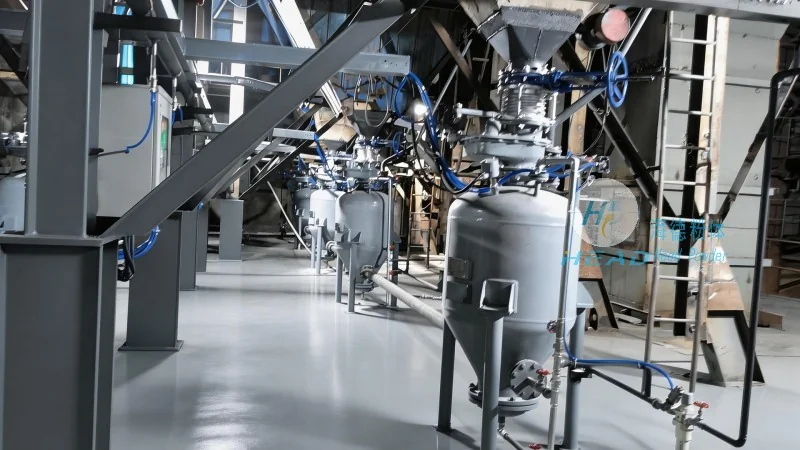
Several distinctive features make the sodium chlorate powder pneumatic conveying system an ideal choice for handling sodium chlorate. Firstly, the system offers high efficiency in material transport, with the ability to move large quantities of powder over long distances with minimal energy consumption. The use of compressed air ensures that the material remains dry and free from moisture, which is crucial for maintaining the chemical properties of sodium chlorate. Additionally, the system provides excellent control over the flow rate and pressure, allowing for precise regulation of the conveying process. This control is essential for preventing overloading or underloading of the system, which can lead to operational inefficiencies or safety hazards. Another important feature is the system's ability to handle abrasive materials without significant wear on the components, as the pneumatic action reduces direct contact between the powder and the pipeline surfaces. The system also incorporates safety features such as pressure relief valves and explosion-proof designs, which are critical for handling sodium chlorate, a substance that is both hazardous and reactive.
Application and Operational Considerations
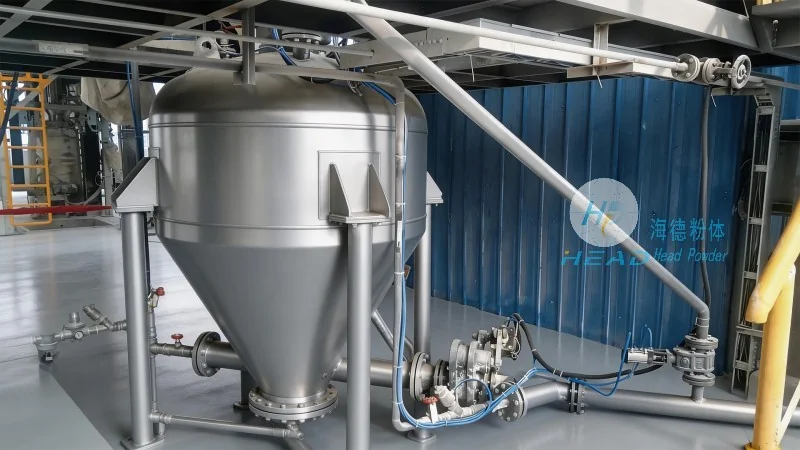
The sodium chlorate powder pneumatic conveying system is widely used in various industrial applications, including chemical manufacturing, pharmaceutical processing, and food processing. The system's ability to transport sodium chlorate safely and efficiently makes it a preferred choice for industries that require high-purity materials and strict adherence to safety regulations. Operational considerations for the system include regular maintenance of the compressed air system, cleaning of the conveying lines to prevent clogging, and monitoring of the pressure and flow rates to ensure optimal performance. The system's design also allows for easy integration with other processing equipment, such as reactors or storage tanks, enabling seamless material flow from one stage to the next. Overall, the sodium chlorate powder pneumatic conveying system provides a reliable and cost-effective solution for the transportation of this important chemical, while maintaining the highest standards of safety and efficiency.