

Working Principle and Characteristics of Polycrystalline Silicon Powder Pneumatic Conveying
Polycrystalline silicon powder pneumatic conveying is a key technology in the material handling and processing of high-purity silicon powders, widely used in the photovoltaic industry. Understanding its working principle and characteristics is essential for optimizing production efficiency and ensuring product quality. This article provides a detailed overview of the pneumatic conveying process for polycrystalline silicon powders, highlighting the technical aspects and practical applications.
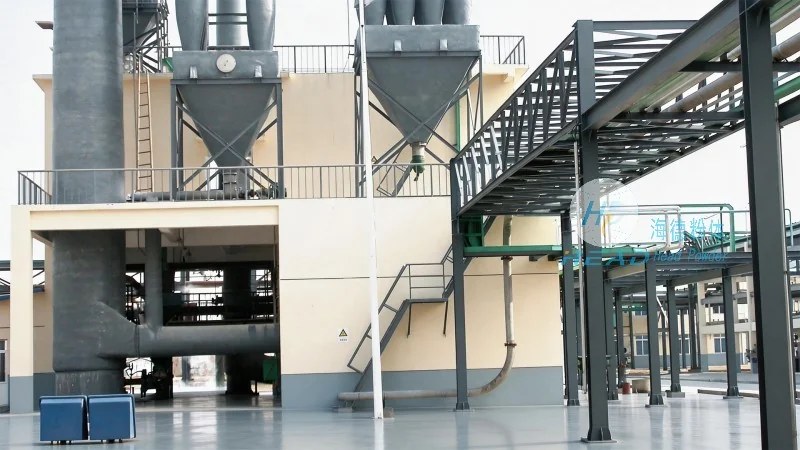
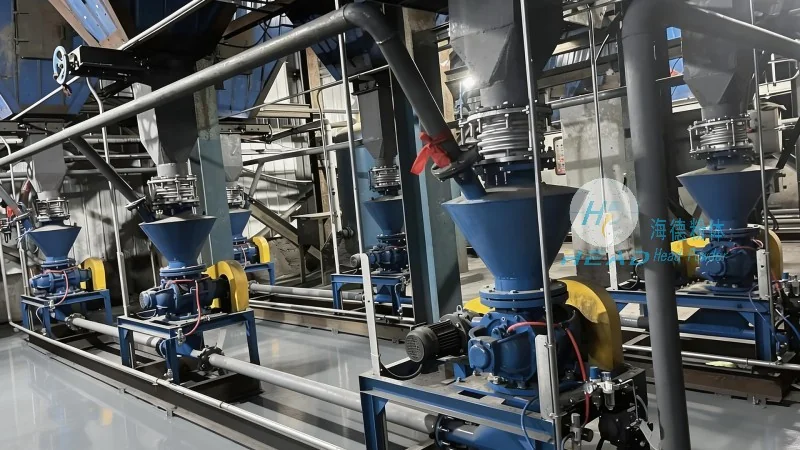
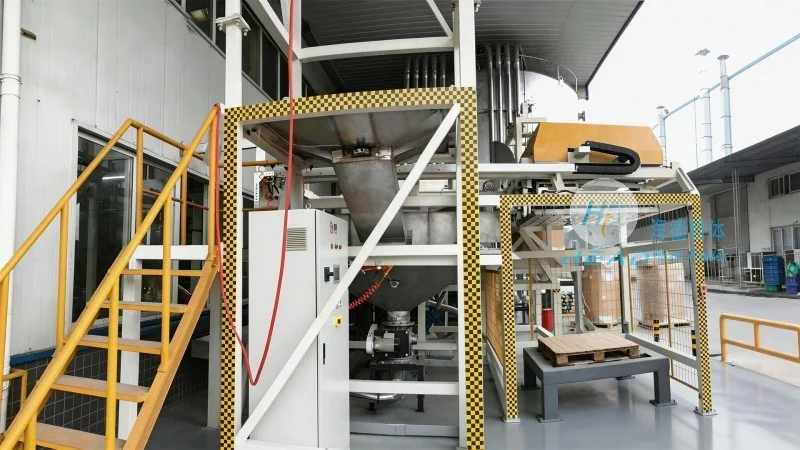
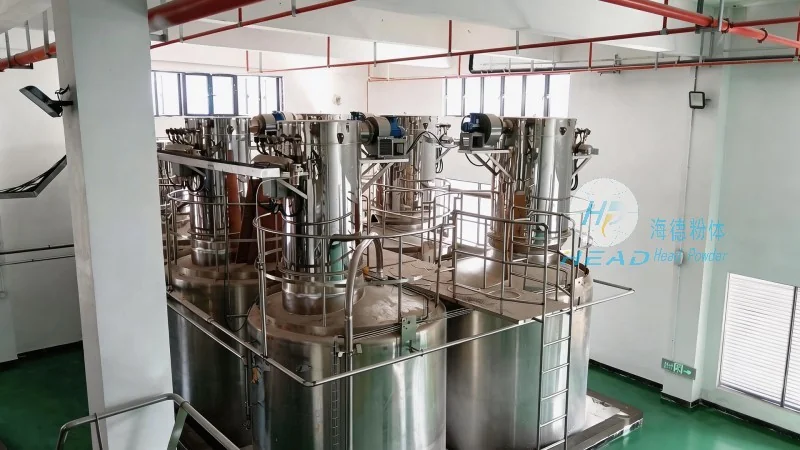
Working Principle of Polycrystalline Silicon Powder Pneumatic Conveying
The core of polycrystalline silicon powder pneumatic conveying is the use of compressed air or other gas to transport solid particles through a pipeline. The process typically involves several key components and steps. First, the polycrystalline silicon powder is fed into a hopper or feeder, where it is then introduced into the conveying line. A fan or blower generates the necessary airflow, creating a pressure differential that propels the powder particles forward. The conveying system may use different types of conveying modes, such as dilute-phase or dense-phase, depending on the particle size, density, and required transport distance. Dilute-phase conveying involves a higher gas-to-solid ratio, where particles are suspended in the air stream, while dense-phase conveying uses a lower gas flow rate, allowing particles to move in a more compact form. The choice of mode depends on factors like the powder's reactivity, moisture content, and the need to minimize particle degradation. This involves maintaining appropriate air velocities and pressure levels to keep the powder in a suspended state without excessive friction or impact. The system also includes control mechanisms to regulate the airflow, pressure, and powder feed rate, ensuring stable and efficient operation. For polycrystalline silicon powders, which are often fine and have a high surface area, the conveying process must be carefully managed to prevent agglomeration, caking, or damage to the particles. This involves maintaining appropriate air velocities and pressure levels to keep the powder in a suspended state without excessive friction or impact. The working principle also includes the role of the conveying line design, such as the use of bends, valves, and filters, which can affect the flow characteristics and particle integrity. Proper line sizing and material selection (e.g., stainless steel or PTFE-lined pipes) are crucial to avoid corrosion or particle sticking, especially given the chemical properties of silicon powders. Overall, the working principle of polycrystalline silicon powder pneumatic conveying combines fluid dynamics, particle mechanics, and process control to achieve reliable material transport.
Key Characteristics of Polycrystalline Silicon Powder Pneumatic Conveying
Polycrystalline silicon powder pneumatic conveying exhibits several distinct characteristics that make it suitable for specific industrial applications. One of the primary advantages is its ability to handle fine, high-purity powders without the need for mechanical components that might introduce contamination or wear. The system operates in a closed environment, reducing the risk of dust exposure and environmental contamination, which is critical for maintaining the purity of silicon powders used in solar cell manufacturing. Another key characteristic is the flexibility in conveying distance and layout. Pneumatic systems can transport powders over long distances, even with changes in elevation, by adjusting the pressure and airflow. This makes them ideal for large-scale production facilities where material needs to be moved between different processing stages, such as from a grinding and classification unit to a drying or packaging area. The system also offers high transport rates, allowing for continuous operation and increased production throughput. However, the characteristics also include challenges related to particle behavior. Polycrystalline silicon powders can be prone to static electricity, which may cause particle charging and affect flow characteristics. Proper grounding and anti-static measures are essential to mitigate this issue. Additionally, the system's efficiency depends on the particle size distribution and moisture content. Fine powders with high moisture content may require pre-drying or conditioning to prevent clogging or blockages in the conveying line. The characteristics also involve energy consumption, as pneumatic conveying requires a significant amount of compressed air, which can impact operational costs. However, advancements in fan technology and system optimization have helped reduce energy usage while maintaining performance. The system's reliability is another important characteristic, as it can operate continuously with minimal downtime, thanks to the absence of moving parts that might wear out or require maintenance. This makes it suitable for 24/7 production environments common in the photovoltaic industry. Overall, the characteristics of polycrystalline silicon powder pneumatic conveying balance efficiency, flexibility, and material integrity, making it a preferred choice for high-purity powder handling in modern manufacturing.