

Working Principle and Characteristics of Carbon Fiber Powder Pneumatic Conveying
Carbon fiber powder pneumatic conveying operates on the principle of utilizing air as a medium to transport fine carbon fiber powders through a pipeline network. The process begins with the powder being introduced into a hopper or feeder, where it is then drawn into the conveying line by a fan or blower. The air, which is either under positive pressure (in a positive pressure system) or at a lower pressure than the ambient environment (in a negative pressure system), creates a flow that suspends and moves the powder particles. The velocity of the air must be sufficient to overcome gravitational forces and the frictional resistance between the particles and the pipeline walls, ensuring stable and continuous transport. The system typically includes essential components such as a feeder to control the powder flow rate, a conveying line (often made of materials like stainless steel or plastic to resist abrasion), a receiver to collect the transported powder, and a filter to capture any fines and prevent air pollution. The working principle relies on fluid dynamics, where the air acts as a fluid that effectively suspends the solid particles, allowing for efficient transport over long distances. This method is particularly advantageous for carbon fiber powders due to their high density, fine particle size (ranging from 5 to 50 microns), and tendency to generate static charge, which can cause issues in traditional bulk handling methods. The technology ensures that the powder remains in a suspended state throughout the conveying process, minimizing agglomeration and maintaining particle integrity.
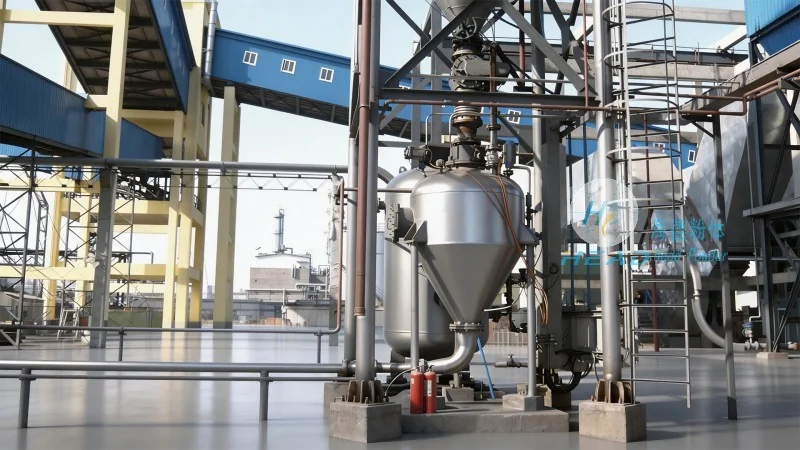
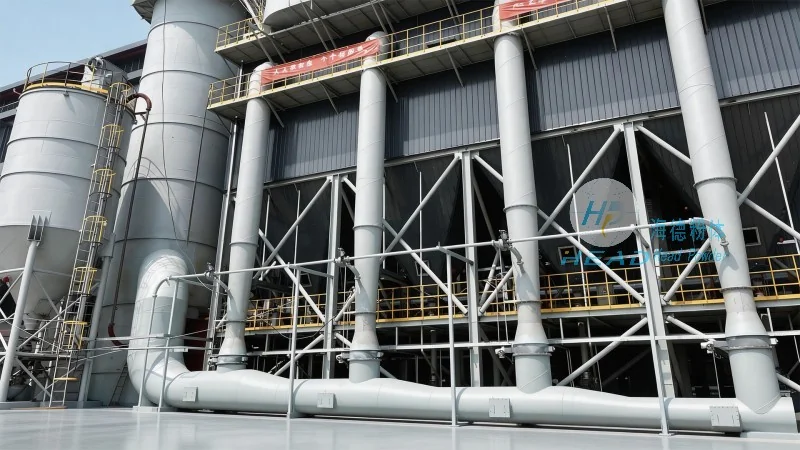
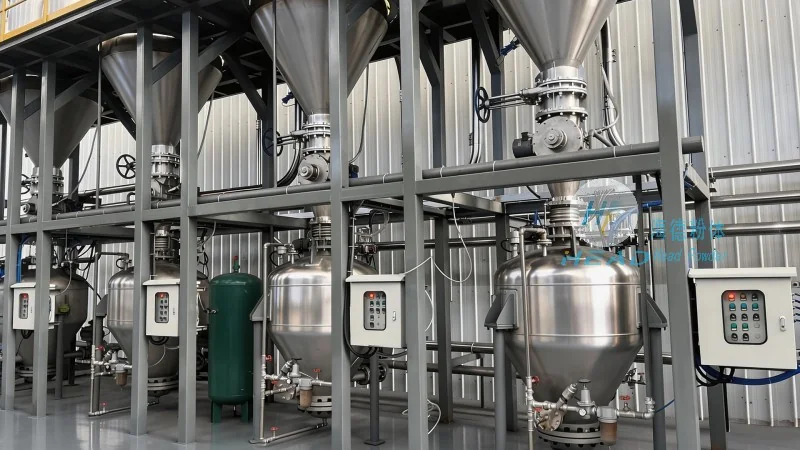
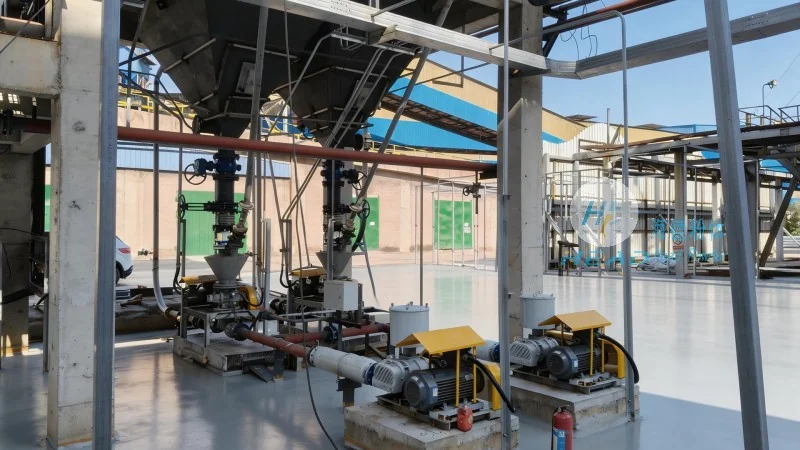
Key Characteristics of Carbon Fiber Powder Pneumatic Conveying Systems
Carbon fiber powder pneumatic conveying systems are characterized by several distinct features that enhance their effectiveness in specialized applications. One primary characteristic is the high efficiency in handling fine powders, which is critical for carbon fiber powders that are prone to clumping. The system's design allows for precise control over the conveying rate, enabling operators to adjust the flow based on the material's properties and the system's operational requirements. This flexibility is essential for maintaining consistent product quality and preventing overloading or underloading of the system components. Another notable characteristic is the closed-loop operation, which provides a clean and controlled environment, reducing dust exposure and minimizing the risk of fire hazards associated with fine powders. The system's ability to handle abrasive materials is also a key feature, as carbon fiber powders can be abrasive to certain equipment, and the components are engineered to withstand such conditions, ensuring long-term durability. Additionally, the system offers energy efficiency through optimized air usage and modern blower designs, which reduce operational costs and environmental impact. The adaptability of the system to different plant layouts is another advantage, as both positive and negative pressure configurations can be installed to accommodate horizontal and vertical transport needs. These characteristics collectively make carbon fiber powder pneumatic conveying a reliable and efficient solution for industrial applications.
Industrial Applications and Operational Benefits
In industrial manufacturing, carbon fiber powder pneumatic conveying is extensively used in the production of carbon fiber composites, particularly in the aerospace and automotive sectors. The technology is crucial for handling carbon fiber powders in the manufacturing of carbon fiber reinforced plastics (CFRP), where uniform distribution of the fibers is essential for achieving desired mechanical properties. The system's ability to transport powders with high accuracy and minimal loss is beneficial in quality control processes, ensuring that the final composite products meet stringent industry standards. Another significant application is in the recycling of carbon fiber materials, where the system efficiently conveys reclaimed carbon fiber powders for reprocessing, contributing to sustainable manufacturing practices. The operational benefits of using this technology include enhanced safety, as the closed system prevents dust inhalation and reduces fire risks. Additionally, the automation of the material handling process reduces labor costs and increases production throughput, leading to higher overall efficiency. The consistent flow and control over the conveying process also contribute to better product consistency, which is vital for maintaining customer satisfaction and meeting market demands. Furthermore, the system's integration with other manufacturing processes, such as mixing and molding, creates a seamless production line, streamlining operations and reducing downtime. The overall impact of carbon fiber powder pneumatic conveying is a significant improvement in the handling of these specialized materials, resulting in higher quality products, reduced operational costs, and enhanced safety in industrial settings.