

Working Principle and Characteristics of Pearl Sand Powder Pneumatic Conveying
HeadPowder, a leading enterprise in the field of powder handling technology, specializes in the design, manufacturing, and application of pneumatic conveying systems for various industrial powders. This article focuses on the working principle and key characteristics of pneumatic conveying systems specifically for pearl sand powder, a material widely used in industries such as foundry, refractory, and construction. The company, Shandong HeadPowder Engineering Co., Ltd., is headquartered in Shandong, China, and has extensive experience in optimizing powder transport solutions for demanding industrial environments.
Working Principle of Pearl Sand Powder Pneumatic Conveying
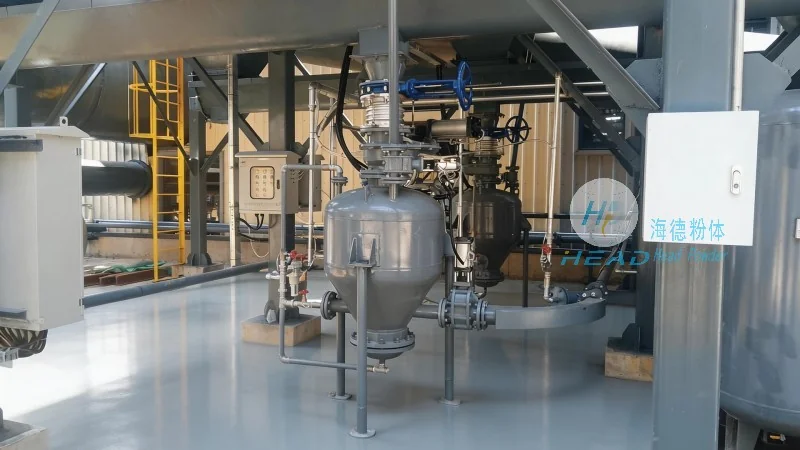
Pneumatic conveying, also known as powder pneumatic transport, is a method that uses compressed air or other gas to transport bulk solid materials like pearl sand powder through a pipeline system. The core working principle involves creating a pressure differential between the conveying line and the ambient air, which propels the powder particles along the pipeline. There are two main types of pneumatic conveying systems: pressure conveying and vacuum conveying. For pearl sand powder, pressure conveying is often preferred due to its ability to handle higher material loads and longer transport distances efficiently.
In a typical pressure conveying system for pearl sand powder, the process begins with the powder being fed into a hopper or silo. From there, the powder is transferred to a positive displacement pump or a rotary airlock valve, which introduces the compressed air into the material stream. The air and powder mixture is then accelerated through the pipeline, moving from the feed point to the discharge point. The system typically includes components such as a filter, cyclone separator, and a receiver tank to separate the powder from the air and collect the material at the destination. The pressure differential is maintained by a blower or compressor, which ensures continuous and reliable transport of the pearl sand powder. The entire process is designed to minimize material degradation, maintain product quality, and ensure efficient energy utilization.
Key Characteristics of Pearl Sand Powder Pneumatic Conveying Systems
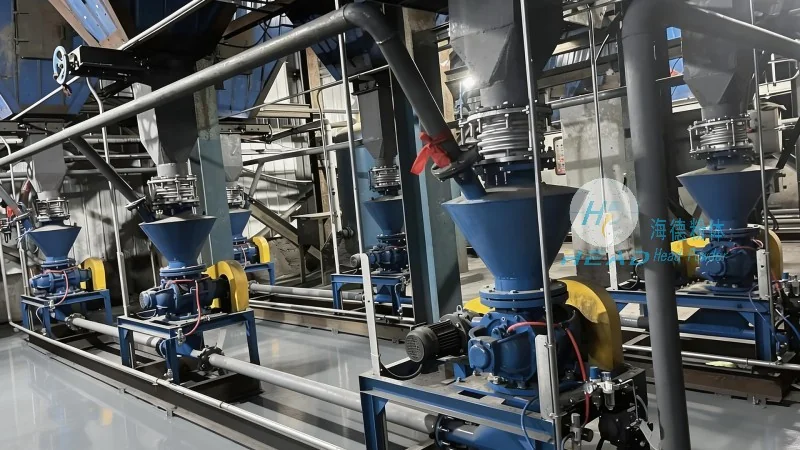
The pneumatic conveying systems for pearl sand powder exhibit several distinct characteristics that make them suitable for industrial applications. Firstly, they offer a high degree of flexibility in terms of transport distance and layout. Unlike mechanical conveying methods, pneumatic systems can easily navigate complex routes and vertical lifts, making them ideal for facilities with limited space or irregular layouts. Secondly, these systems provide excellent control over the flow rate and pressure, allowing for precise regulation of the powder transport process. This is crucial for maintaining consistent product quality and preventing issues such as clogging or material degradation.
Another significant characteristic is the ability to handle a wide range of particle sizes and densities. Pearl sand powder typically consists of fine particles with varying diameters, and pneumatic conveying systems are engineered to accommodate these variations without compromising performance. The systems can handle both dry and slightly moist powders, making them versatile for different production stages. Additionally, the equipment used in these systems is designed for durability and low maintenance, ensuring long-term operational reliability. The use of high-quality materials and advanced engineering ensures that the conveying lines and components can withstand the abrasive nature of the pearl sand powder, reducing wear and tear over time.
Advantages and Applications in Industrial Settings
Pneumatic conveying systems for pearl sand powder offer numerous advantages that enhance operational efficiency and product quality. One of the primary benefits is the reduction in material handling costs compared to traditional methods like bucket elevators or belt conveyors. By eliminating the need for multiple transfer points and mechanical components, the overall system becomes more streamlined and cost-effective. Furthermore, the systems contribute to improved workplace safety by minimizing manual handling of powders, reducing the risk of dust exposure and related health hazards.
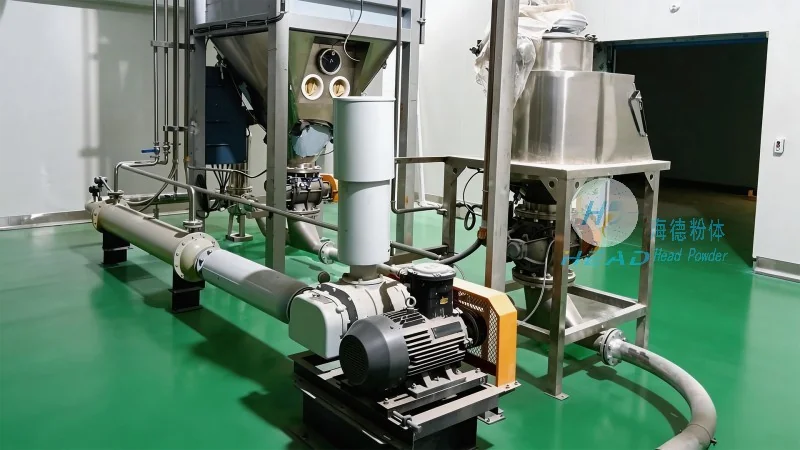
In industrial applications, pearl sand powder is commonly used as a refractory material in foundries, as a component in concrete and mortar, and in the production of ceramic products. The pneumatic conveying systems enable efficient and dust-free transport of these materials from storage to processing areas, ensuring consistent quality and reducing downtime. The systems are also adaptable to various production scales, from small-scale operations to large industrial plants, making them a versatile solution for different manufacturing needs. The technology is particularly beneficial in environments where material purity and contamination control are critical, as the enclosed pipeline system prevents exposure to external elements and maintains the integrity of the powder.
Conclusion and Company Expertise
Overall, the working principle and characteristics of pneumatic conveying systems for pearl sand powder highlight the advanced engineering and practical benefits of using such technology in industrial applications. The systems provide efficient, reliable, and flexible transport solutions that enhance productivity and product quality. Shandong HeadPowder Engineering Co., Ltd., with its expertise in powder handling and pneumatic conveying, continues to innovate and provide tailored solutions to meet the evolving needs of industries that rely on pearl sand powder. By leveraging their experience and advanced technology, the company ensures that clients receive systems that are optimized for performance, durability, and cost-effectiveness, supporting long-term operational success in various industrial sectors.